
The lights dropped, the bass came up, and eyewear became part of the equipment. At the TOMBOGO x Vooglam party, designer Tommy Bogo stepped behind the DJ booth and set the pace for a night built around music, movement, and industrial design. Creators filled the room in metal hardware, dark layers, and frames that looked ready for more than posing.
This was more than another nightlife appearance. The event brought the functional ideas behind TOMBOGO x Vooglam into a space where they could be used, styled, and photographed in real time. From a frame carrying digital storage to rimless glasses shaped by the structure of DNA, the party showed how utility can become part of personal expression.
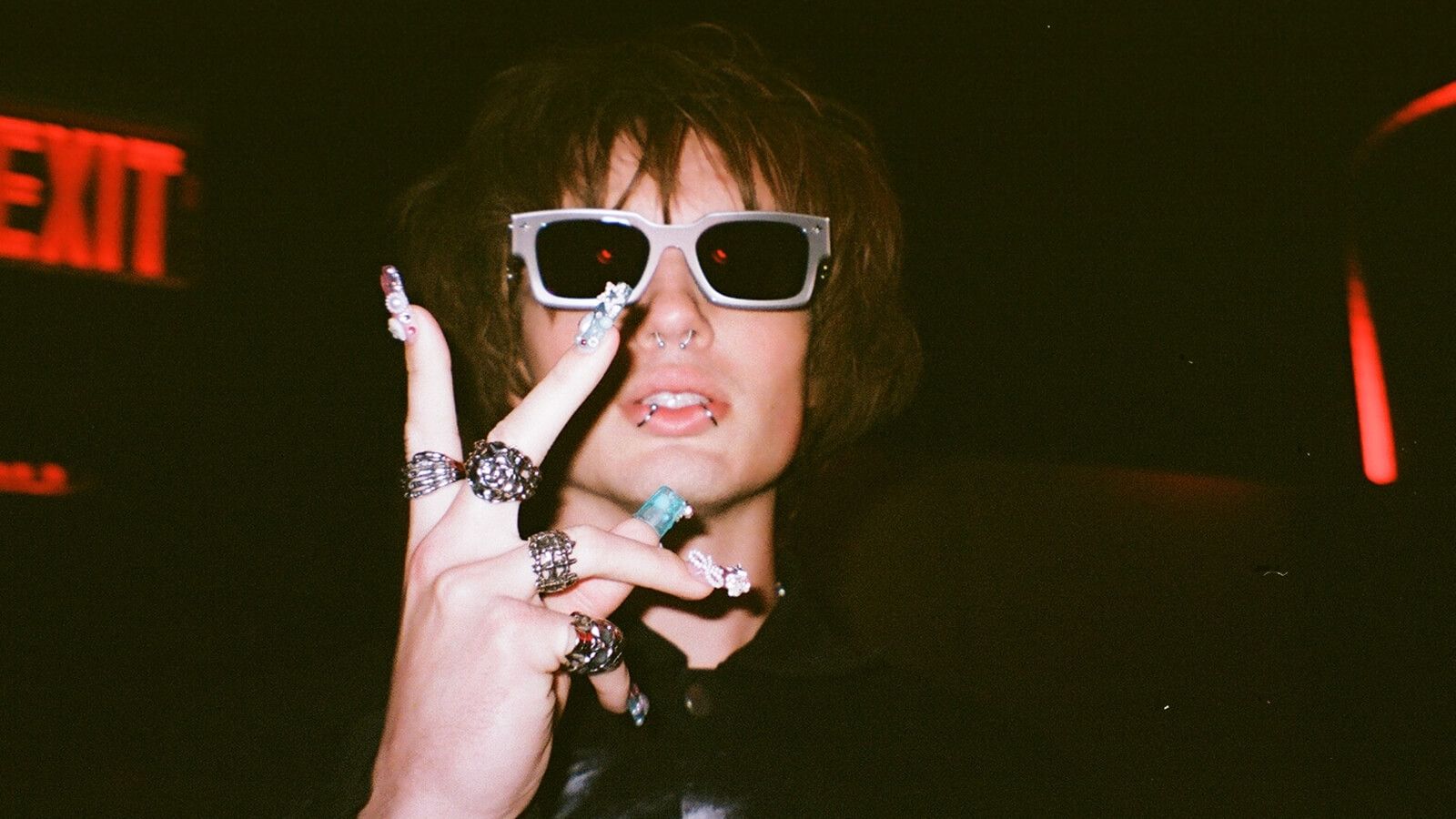
The Vibe: Where Nightlife Culture Meets Utility Innovation
Neon light moved across the room while low frequencies filled every corner. At the center of it all was Tommy Bogo, controlling the music himself. The Tommy Bogo DJ party felt less like a formal product showcase and more like stepping inside the designer’s working world.
That detail mattered. TOMBOGO has long treated clothing and accessories as equipment—objects designed to support the person wearing them. The collaboration with Vooglam carries that idea into eyewear. Instead of adding mechanical details only for decoration, the frames borrow from tools, data storage, biological structures, and modular systems.
The party gave those concepts a natural setting. A DJ needs access to music files. A creator moves between screens, studios, venues, and late-night conversations. An accessory has to hold its own under direct flash, but it also needs to feel connected to the way that person works.
That was the larger message behind the TOMBOGO x Vooglam party: fashion does not have to choose between expression and purpose. The most memorable objects can do both. They can finish a look while carrying an idea—or, in the case of The Programmer, actual data.
The Party Highlights: 2 Statement Collaborations Spotted on Creators
Across the room, two designs kept returning in different looks: The Programmer and The Decoder. One brought substantial acetate and wearable storage to the DJ booth. The other used a rimless front and twisted metal temples to catch every passing flash.
They shared an industrial point of view, but their personalities were different. That contrast made them easy for creators to interpret in their own ways.
The Programmer: Industrial Utility & the Party Trick
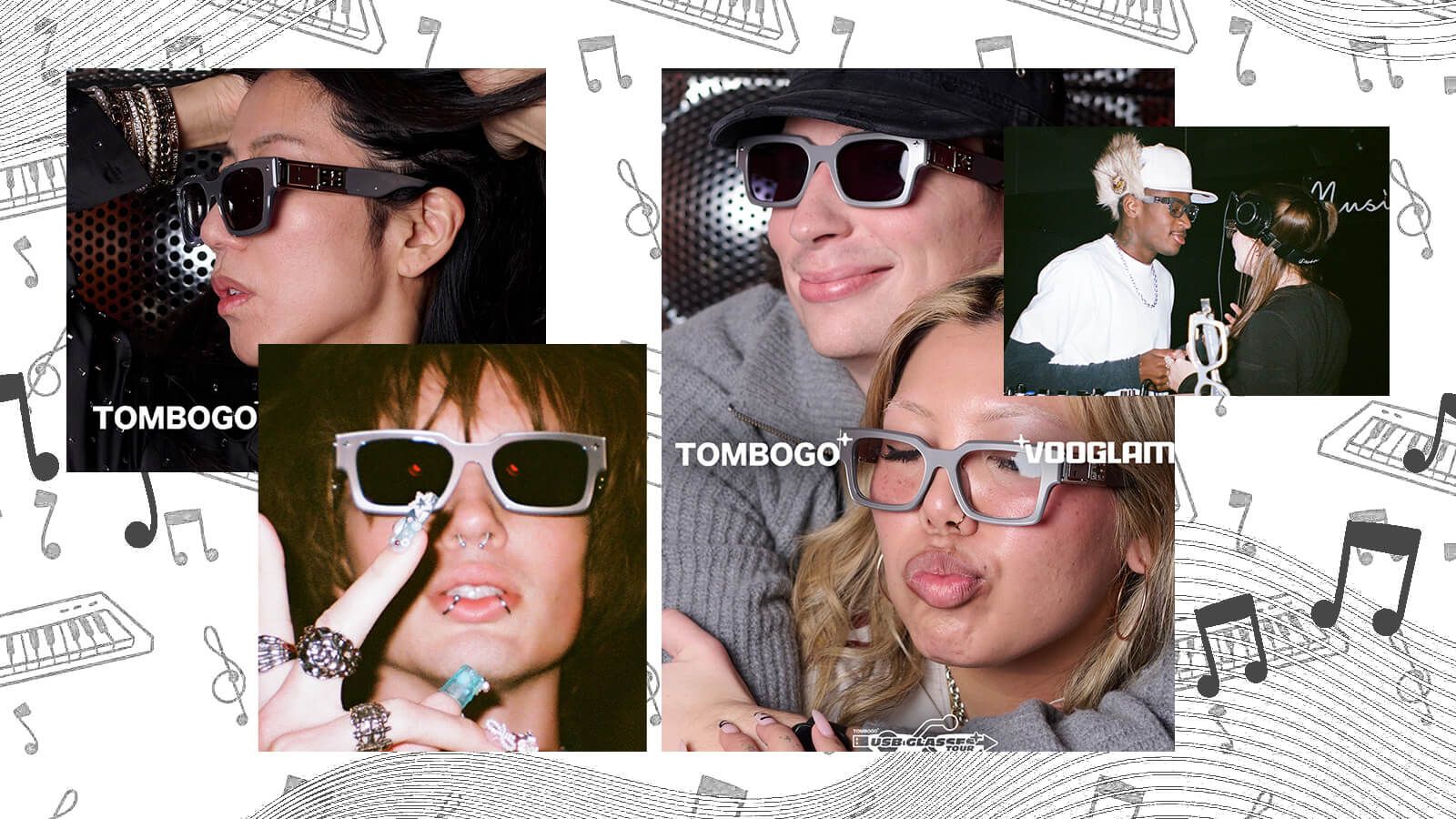
The Programmer looked completely at home behind the decks. Its broad rectangular acetate front gave the frame a solid, equipment-like presence, while the USB form built into the temples made the design instantly recognizable.
The detail is not just visual. The Programmer houses one removable, functional 64GB USB in its temple, so files can travel with the wearer. During the party, that function moved from concept to action as the USB was used at the DJ setup. The frame was no longer simply inspired by music culture; it became part of the music workflow.
That moment made the product’s logic easy to understand. A DJ can carry a backup set. A graphic designer can keep a working file close. A photographer can store selects, while another creator may use it for notes, demos, or visual references. The function stays personal because the contents change with the person wearing it.
Visually, the smoke-dark acetate and hardware-like details worked well with the booth’s cables, controls, and illuminated displays. These USB-inspired glasses from TOMBOGO did not imitate technology from a distance. They turned a familiar storage device into a wearable component.
It was also the party’s clearest conversation starter. Someone notices the USB shape, asks whether it works, and suddenly the frame opens a discussion about music, data, and how much more an everyday object could do. That element of surprise is central to TOMBOGO x Vooglam: an unusual idea becomes useful without losing its visual impact.
The Decoder: Y2K Cyber Aesthetics & Flash-Photography MVP
If The Programmer belonged behind the booth, The Decoder seemed made for the flash moving through the crowd. Its silver double-helix temples caught the light from the side, producing brief streaks of metallic shine as creators turned toward the camera.
Inspired by the structure of DNA, The Decoder pairs twisted metal temples with a rimless geometric lens design. The open front leaves more visual space around the eyes, allowing makeup, brows, and facial details to remain visible. From the side, however, the frame changes character. The helix construction becomes the main event.
That balance explains why The Decoder worked across so many party looks. Worn with a fitted black top, it felt clean and precise. Paired with distressed layers or exposed hardware, it leaned further into a cyber-influenced mood. With a softer outfit, the silver temples acted like jewelry, bringing structure without making the whole look feel heavy.
The rimless shape also made it easy to style beyond one gender or one defined aesthetic. It could sit comfortably within minimal tailoring, clubwear, metallic accessories, or everyday denim. Instead of dictating a full outfit, the frame gave each wearer a recognizable detail to build around.
Under flash photography, the difference became even clearer. The transparent front kept the face open while the metal temples recorded light along their curves. That made The Decoder one of the most photographed designs in the room—and an obvious choice for creators who wanted impact from several angles rather than only from the front.
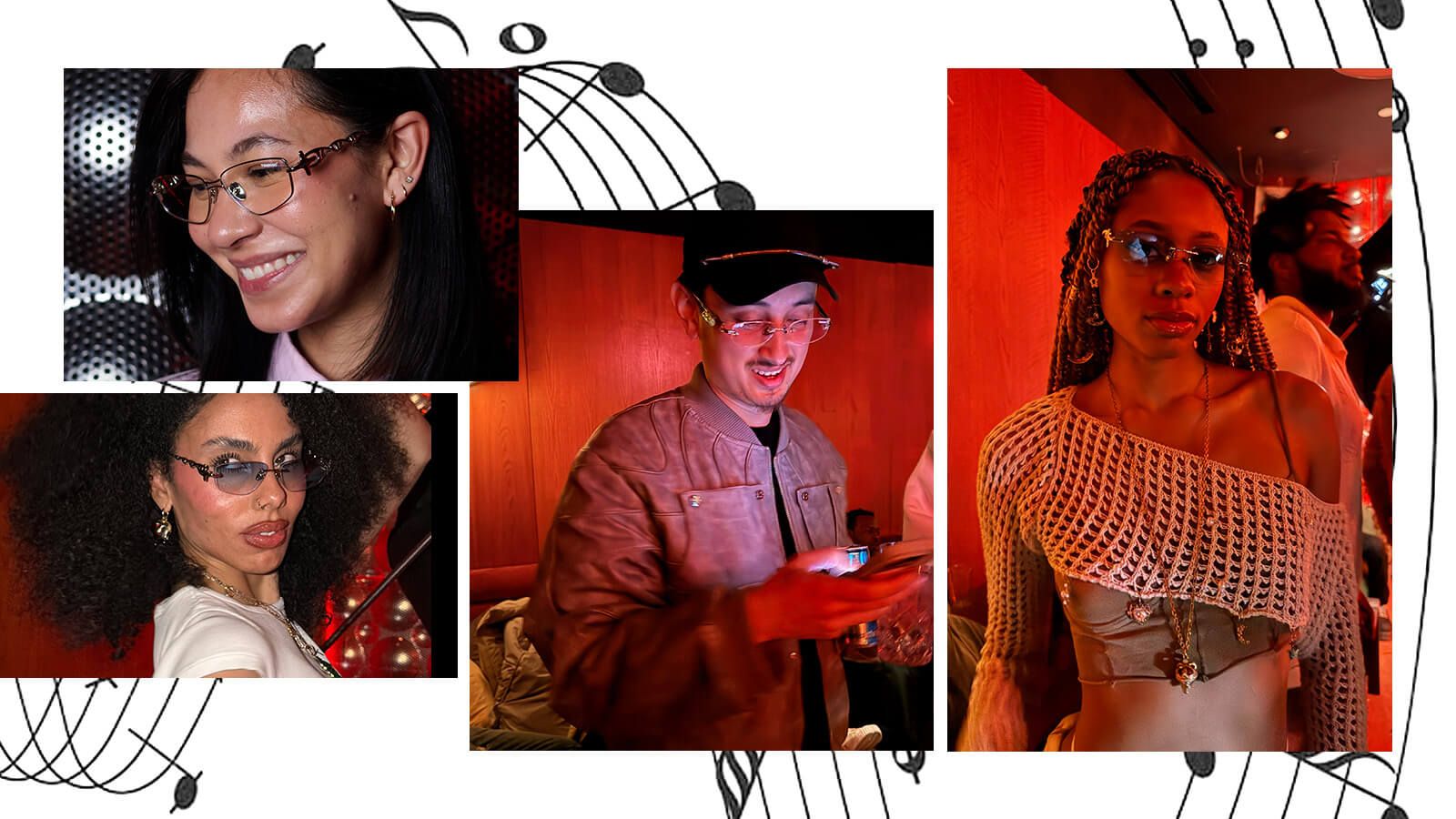
Party Style Recap: How Creators Styled TOMBOGO x Vooglam Eyewear
The best looks at the TOMBOGO x Vooglam party did not treat the glasses as an isolated product. Creators built connections between the frames, their clothing, the camera, and the culture surrounding the event.
Utility Meets Elegance
Industrial styling does not require dressing like a machine. The strongest outfits used one or two functional references, then gave them room to register.
Some creators echoed The Programmer’s hardware through silver jewelry, zip details, buckles, or structured bags. Others paired its substantial acetate front with clean monochrome layers. The result felt intentional rather than overloaded.
The Decoder invited a lighter approach. Its twisted temples worked well with metallic earrings, chain details, and reflective fabrics, while the rimless front balanced those stronger materials. Matching every accessory was unnecessary; repeating one metal tone was enough to connect the look.
This is where utility became elegant. Mechanical elements added rhythm and structure, but the styling still felt personal. The frame remained an object with a function, not a costume built around a theme.
Flash Photography Essentials
Nightlife style lives differently under flash. Dark fabrics become sharper, reflective surfaces become brighter, and small metal components suddenly carry more visual weight.
Creators wearing The Decoder often turned slightly away from the camera, allowing the flash to reach its DNA-inspired temples. That side angle captured the part of the frame that makes it distinct. With The Programmer, a three-quarter pose revealed both the substantial front and the USB construction at the temple.
Clear and lightly tinted lenses also helped the eyewear remain visible without hiding the wearer’s expression. That matters in an event recap on Instagram, where a frame needs to communicate quickly in a single image or a short video clip.
The lesson is simple: style the full angle, not just the front view. If a frame’s defining feature sits along the temple, let the camera see it. The best TOMBOGO x Vooglam event recap moments came from movement—turning toward the booth, leaning into conversation, or catching the flash between scenes.
Beyond the Eyewear
What made the night feel convincing was the way creators connected the frames to their own interests. The Programmer did not mean the same thing to every guest. For one person, the USB referenced DJ sets and sound files. For another, it spoke to coding, visual design, or the habit of carrying unfinished work everywhere.
The Decoder also moved beyond a single cyber look. Its DNA structure could suggest identity, evolution, or the idea that design begins with a code waiting to be interpreted. Those references gave creators something more substantial than a color or silhouette to respond to.
That is the real strength of the TOMBOGO x Vooglam collaboration. The frames enter conversations already taking place across music, art, design, and nightlife culture. Wearers can then decide which part of the story belongs to them.
Conclusion: Plug Into a New Kind of Eyewear
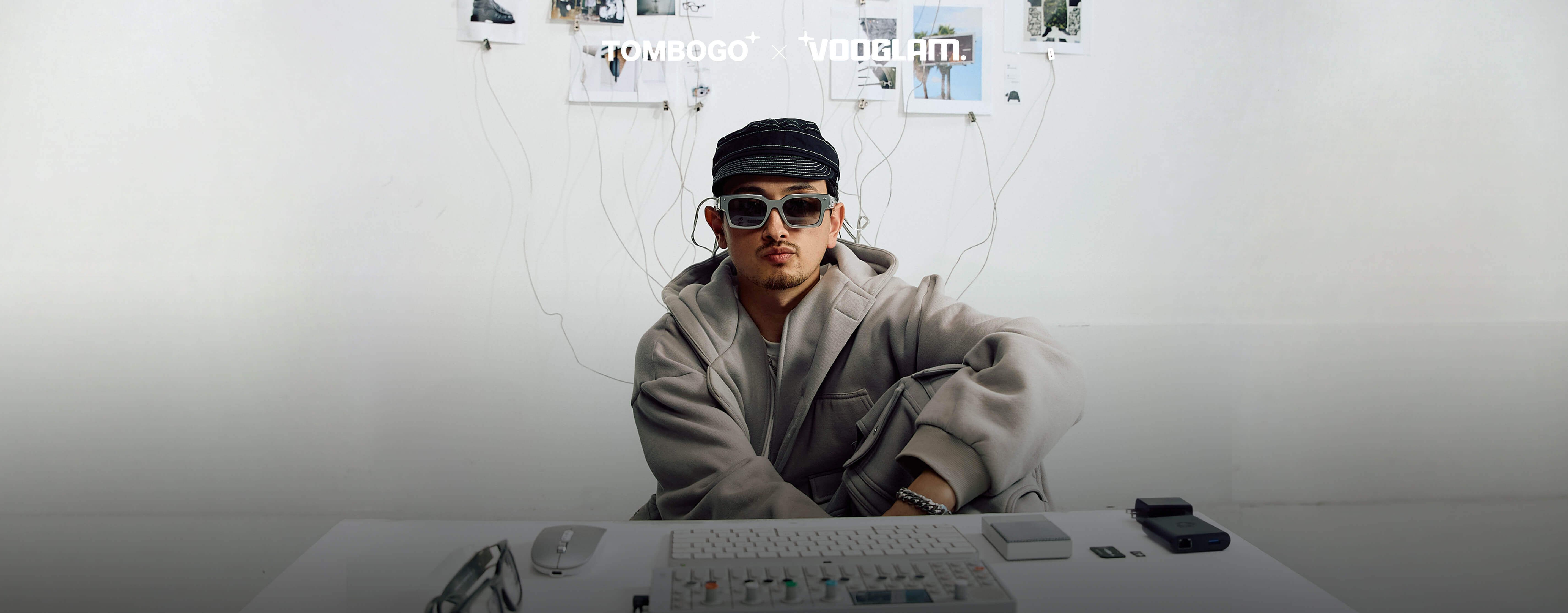
The TOMBOGO x Vooglam party showed what happens when functional eyewear enters the environment that inspired it. Behind the DJ booth, The Programmer turned smoke-dark acetate and a functional 64GB USB into part of the performance. Across the room, The Decoder used rimless clarity and liquid-looking DNA temples to transform every camera flash.
Together, the two frames point toward a more playful form of industrial design—one where utility, experimentation, and personal expression can occupy the same object. These are not details added only to be seen. They invite interaction, interpretation, and use.
Explore the full TOMBOGO x Vooglam Vision Tools collection and find the frame that fits the way you create, move, and see beyond.