
More Than Just Sun Protection
Sunglasses are no longer chosen only by the weather. Lens tint can hide tired eyes, change your expression, or become the focus of an outfit.
The dark lens vs light lens decision depends on brightness, comfort, and style. Dark lenses reduce intense visible light and bring mystery. Light tinted glasses keep your eyes visible while adding color. Understanding VLT and UV protection will help you choose with more confidence.
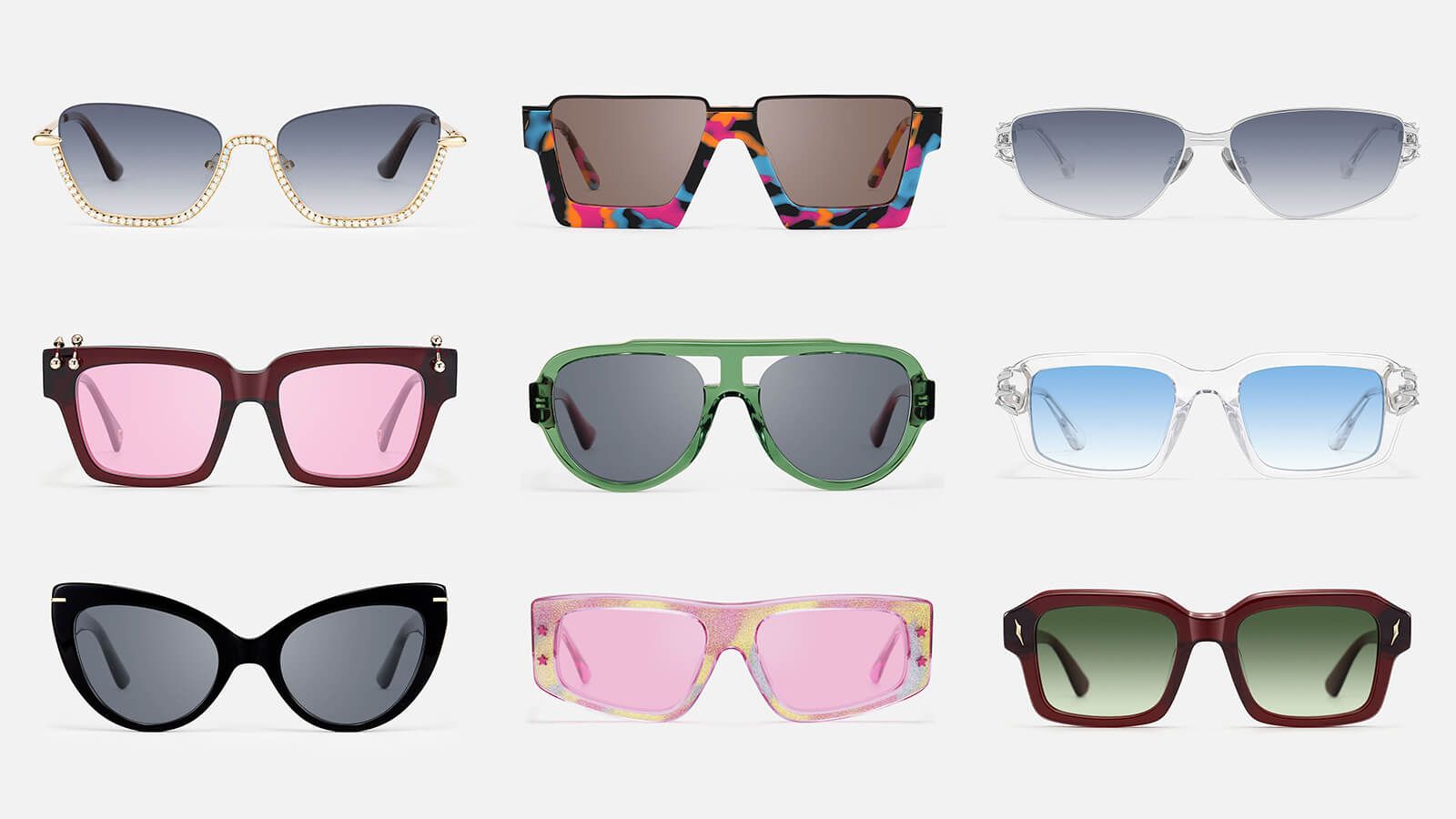
The Science of Shade: VLT and the Biggest Sunglasses Myth
A Quick Guide to Sunglasses Tint Percentage
Visible Light Transmission, or VLT, tells you how much visible light passes through a lens. A lower VLT means a darker lens. A higher VLT means a lighter lens.
Dark lenses work like heavy curtains. They suit beaches, snow, and strong midday sunlight. Light lenses work like sheer curtains. They feel more natural on cloudy days, in late afternoon, or during frequent indoor and outdoor transitions.
Use this sunglasses tint percentage guide when comparing lenses:
| Approximate VLT | Tint Level | Suitable Settings |
| 70% to 100% | Very light | Indoor and low light styling |
| 40% to 70% | Light fashion tint | Cloudy days and social settings |
| 20% to 40% | Medium tint | Moderate sunshine |
| 8% to 20% | Standard dark tint | Bright sun, beaches and driving |
| Below 8% | Extremely dark | High altitude and extreme glare |
Lenses below about 8% VLT are intended for extreme brightness and should not be used while driving. Always check the product label because safe driving also depends on optical quality and color recognition.
A sunglasses tint percentage only describes visible light. It does not measure UV protection.
Mythbusting: Does Darker Mean Better UV Protection?
A darker lens does not automatically offer better UV protection.
Color and UV filtration are separate properties. A pale yellow or pink lens can provide the same protection as a black lens if both offer verified UV400 or 100% UVA and UVB protection. A dark lens without verified UV protection should not be considered safe simply because it looks intense.
When comparing dark lens vs light lens, check the UV label first. Tint depth controls visible brightness. UV400 protection addresses invisible ultraviolet radiation.
Mythbusting: UV Protection vs. Glare Reduction
Dark lenses remain more comfortable in strong sunlight because they reduce visible brightness. Light lenses let more visible light through, so they may feel too bright on a beach or snowy slope.
Think of this as the “squint factor.” If you keep squinting through your sunglasses, the tint may be too light for the environment. This can lead to visual discomfort and fatigue.
Darkness and polarization are also different. A dark tint lowers overall brightness. A polarized lens reduces reflected glare from roads, snow, glass, and water. If glare is your main concern, check for polarization instead of relying only on lens color.
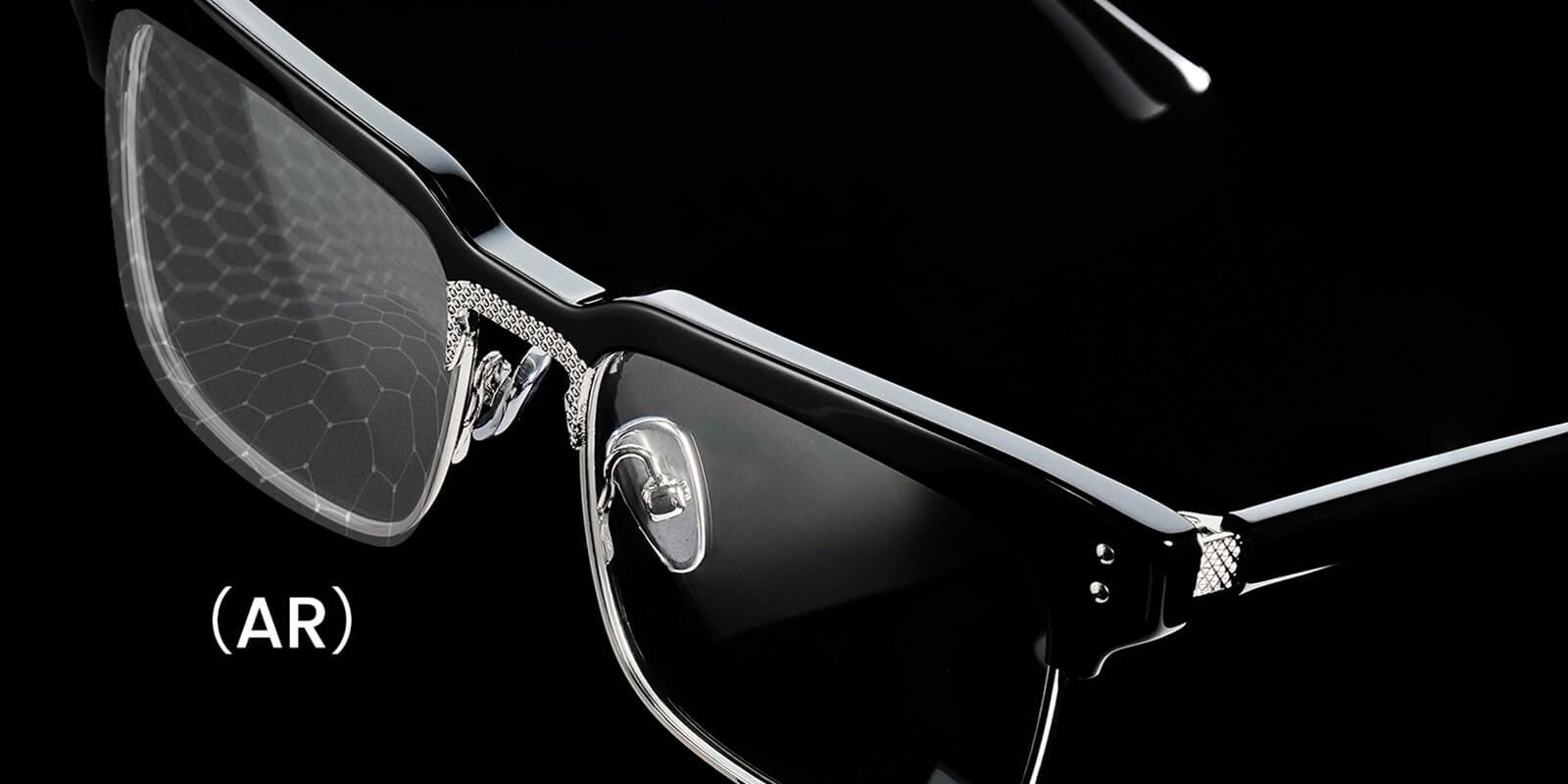
The Incognito Era: Mastering the Dark Sunglasses Aesthetic
The Vibe: Mystery, Power, and Classic Elegance
The dark sunglasses aesthetic is built around privacy. Smoke, charcoal, and black lenses hide the eyes and make facial expressions harder to read. The result feels controlled, confident, and slightly cinematic.
Dark lenses also conceal tired eyes and support makeup free looks. Oversized acetate adds drama. Narrow black lenses bring an experimental edge. Angular metal structures give the dark sunglasses aesthetic a more industrial character.
Matching Sunglasses with Outfits: The Dark Tint Edition
For matching sunglasses with outfits, pair dark lenses with monochrome black, white, or gray. They also work with technical fabrics, tailored suits, sculpted outerwear, and long trench coats.
Thick acetate adds visual weight to simple clothing. Visible hardware, rivets, and metal temples strengthen the industrial mood. Black sunglasses can also add contrast to cream tailoring or a clean white shirt.
Explore Vooglam’s dark sunglasses and customizable lens colors to find the right level of coverage and contrast for your wardrobe.
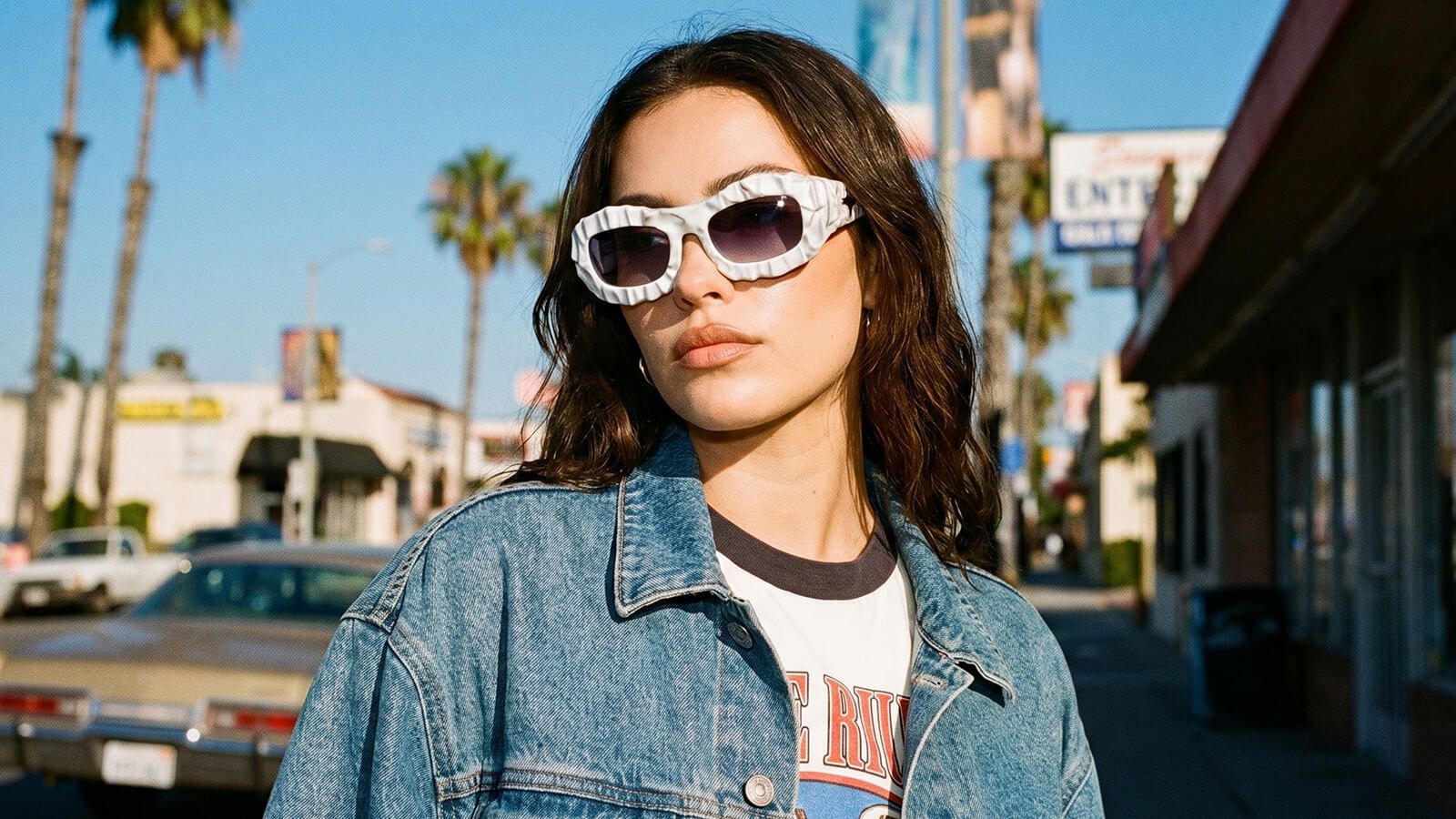
The Eye Contact Aesthetic: How to Style Light Tinted Glasses
The Vibe: Approachable, Nostalgic, and Expressive
The key appeal of light tinted glasses is eye contact. Your eyes remain visible, which makes the look feel more open and expressive.
Light tints fit naturally into Y2K, art inspired, and Office Siren styling. Amber suggests a warm retro mood. Pale blue feels cooler and more digital. Rose brings color to the face without hiding the eye area.
Learning how to style light tinted glasses is not about matching every shade. Let the lens color connect with one or two details in your outfit while keeping the rest balanced.
Matching Sunglasses with Outfits: The Light Tint Edition
For summer, wear amber or rose lenses with floral prints, open knit tops, or textured neutrals. For Office Siren styling, try gray, blue, or brown lenses with a fitted blazer and silver accessories.
Rimless and half rim designs feel lighter than thick acetate. Fine metal temples can make light tinted glasses look more like facial jewelry.
When matching sunglasses with outfits, use color relationships instead of exact matches. Warm lenses can echo gold jewelry or brown leather. Cool lenses can connect with denim, silver hardware, or gray tailoring.
Vooglam’s lens customization makes it easier to style light tinted glasses around a specific color palette.
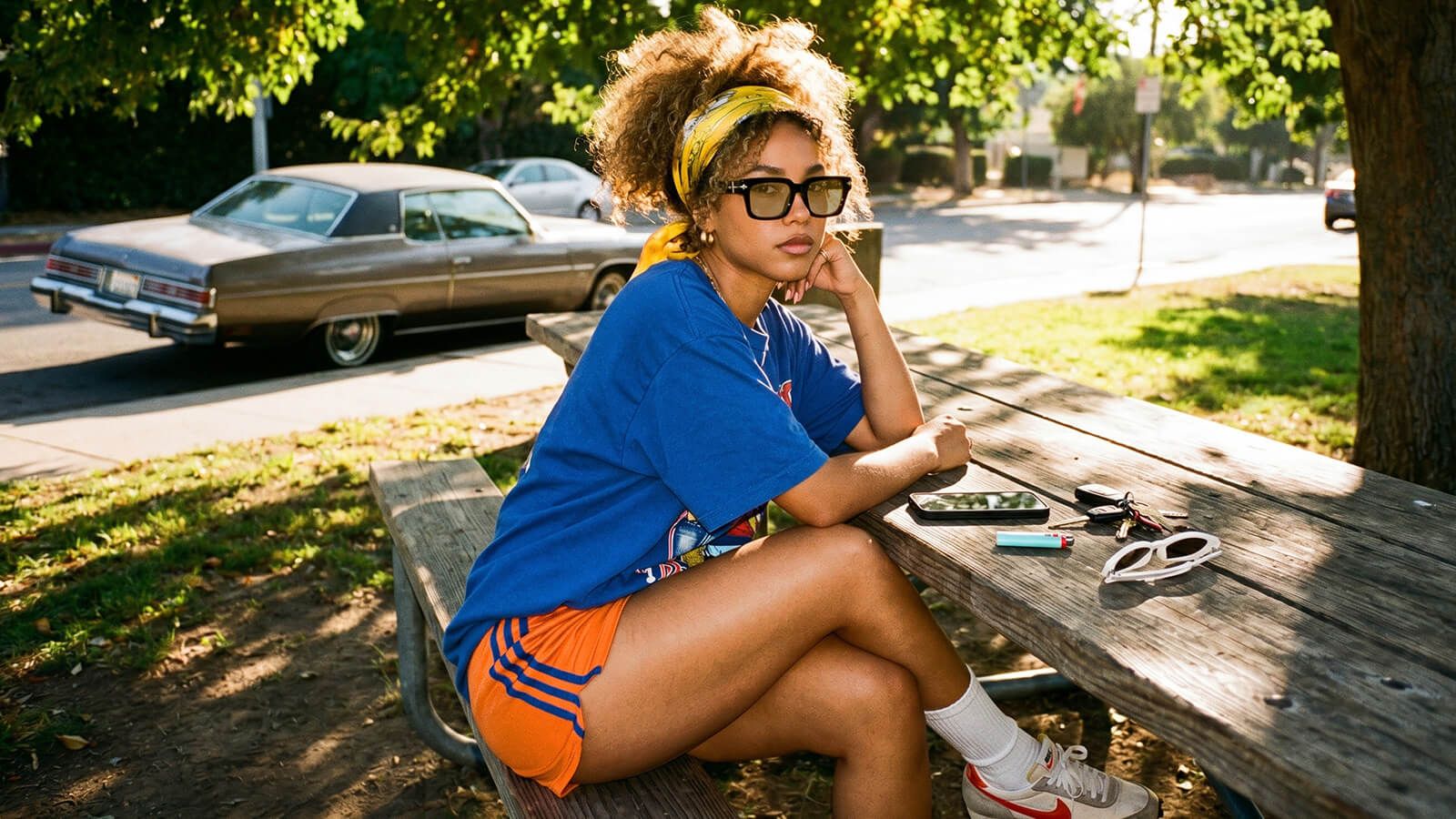
The Ultimate Decider: Matching Tints to Makeup and Complexion
Why Light Tints Are a Makeup Lover’s Best Friend
Dark lenses hide eye makeup, while light tinted glasses allow it to remain visible. A sheer tint can also extend the color story around your eyes.
Rose lenses work well with blush tones. Amber can warm brown eye shadow. Pale gray or blue can make black eyeliner appear cooler.
Check the tint in natural light before choosing. Lens color can change how concealer, eye shadow, and brow color appear. A higher VLT keeps makeup clearer, while a deeper tint produces a more filtered effect.
Contrast and Harmony for Different Complexions
Cool gray, blue, and muted violet can support a cooler palette. Amber, brown, honey, and warm rose can bring warmth to the face.
For harmony, select a tint that follows your makeup and jewelry. For contrast, place a cool lens beside warm makeup or a warm lens beside a cooler outfit.
Deeper complexions can carry saturated amber, burgundy, and smoke shades beautifully. Lighter complexions may suit both transparent colors and strong dark lenses. Hair color, makeup, and frame color also influence the final result.
Can’t Decide? The Magic of Gradient Lenses
Gradient lenses are darker at the top and lighter at the bottom. They offer a balanced solution to the dark lens vs light lens debate.
The darker upper area reduces overhead brightness. The lighter lower area keeps your view clearer when checking a phone or reading a menu. This makes gradient lenses useful for shopping, outdoor cafés, and bright city afternoons.
A gradient only describes visible tint. Check that the entire lens provides verified UV protection and is suitable for driving if needed.
Final Verdict: Choose for the Light and Dress for the Mood
Choose dark lenses for strong sunlight, privacy, and the dark sunglasses aesthetic. Choose light tinted glasses for visible eye contact, color, and flexible styling. Gradient lenses provide a balance between both.
Whatever side you choose in the dark lens vs light lens debate, check UV protection first. Then consider VLT, polarization, surroundings, and personal style.
Browse Vooglam’s tinted sunglasses and customizable lens colors to find an option that suits both your environment and wardrobe.

FAQ
Which is better: light or dark sunglasses?
Dark lenses are better for prolonged exposure to strong sunlight because they reduce more visible brightness. Light lenses suit cloudy weather, late afternoon, social settings, and frequent indoor and outdoor transitions. Both can provide reliable UV protection if their performance is verified.
Do light tinted glasses provide enough sun protection?
Yes, if they offer verified UV400 or 100% UVA and UVB protection. Lens darkness does not determine UV filtration. However, light lenses allow more visible brightness through, so they may feel less comfortable under intense sun.
How do I choose between dark lens vs light lens for my everyday outfits?
Choose dark lenses for minimal, tailored, technical, or high contrast wardrobes. Choose light lenses for Y2K, retro, artistic, or Office Siren styling. When matching sunglasses with outfits, consider whether you want privacy and contrast or visible eye contact and color.