
Guide to Picking Glasses That Suit Your Face Shape Perfectly
February 27,2023
What is Boho Style? A Comprehensive Guide to Boho-Chic Fashion
February 13,2025
Virtual Glasses Try On - Find Your Perfect Pair Online
April 02,2024
UV Protection vs. Blue Light Glasses: Understanding the Core Differences
July 20,2023

The Ultimate Guide to Modern Trendy Men's Glasses: Top Styles for 2026
March 01,2024
Stylish Reading Glasses: Blending Fashion with Functionality
February 16,2023
Photochromic Lenses 101: How They Work & Why You Need Them
September 22,2023
Brown Eyes: The Beauty of the Most Common Hue
September 01,2024

Best Glasses for Round Faces and Fuller Cheeks
August 02,2023

What are prisms in eyeglasses?
March 20,2023
What Are Bifocal Glasses? The Complete Guide (Types, History & Benefits)
April 14,2023

How to Read Your Eyeglass Prescription?
March 11,2023
Did You Forget to SPF Your Eyes? The Summer Vacation Essential You’re Missing
By Vooglam
Share this article

You packed the bikini you planned the whole trip around, the premium SPF 50, sandals, and every piece of your summer vacation outfit. You zip the suitcase feeling completely prepared—then step into the sun and realize your sunglasses are still sitting by the front door.
You protected your face, but left your eyes exposed.
Sunscreen cannot provide UV protection for the eyes themselves. The right UV sunglasses help reduce ultraviolet exposure while making beach days, road trips, and outdoor brunches more comfortable. Here is how UV400 sunglasses work, which tint suits each vacation scene, and how to find the best sunglasses to protect eyes without losing the mood of your look.
The Hidden Medical Facts: What UV Rays Actually Do to Your Eyes
Your eyes and the surrounding skin are highly exposed to sunlight. UV radiation is also invisible, so you cannot judge exposure by temperature or visible brightness alone. It can reach your eyes on cloudy days and reflect from water, sand, pavement, and other bright surfaces.
UV exposure can affect your vision. Strong, direct UV exposure may irritate or injure the eye’s surface and cornea. Repeated exposure is also associated with longer-term conditions involving the lens and other eye tissues. It is more accurate to understand UV damage as stress that can accumulate across different parts of the eye—not as one ray instantly passing through the lens and causing permanent retinal damage.
Squinting can make eye-area lines more noticeable. Bright sunlight causes you to narrow your eyes automatically. Repeat that movement throughout an afternoon of sightseeing or beach tanning, and existing fine lines may appear more pronounced. Squinting is not the only cause of crow’s-feet, but reducing constant squinting can help protect the delicate eye area and make time outdoors more comfortable.
Bright light may trigger or worsen headaches. Strong sunlight and glare do not cause migraines for everyone. For people who already experience migraines or light sensitivity, however, intense brightness may trigger or worsen symptoms. Reflections from water and roads can be especially uncomfortable, quickly disrupting a beach day or long drive.
The best sunglasses to protect eyes should therefore do more than finish a summer vacation outfit. They need verified UV protection, appropriate coverage, and a comfortable fit that you will keep on outdoors.
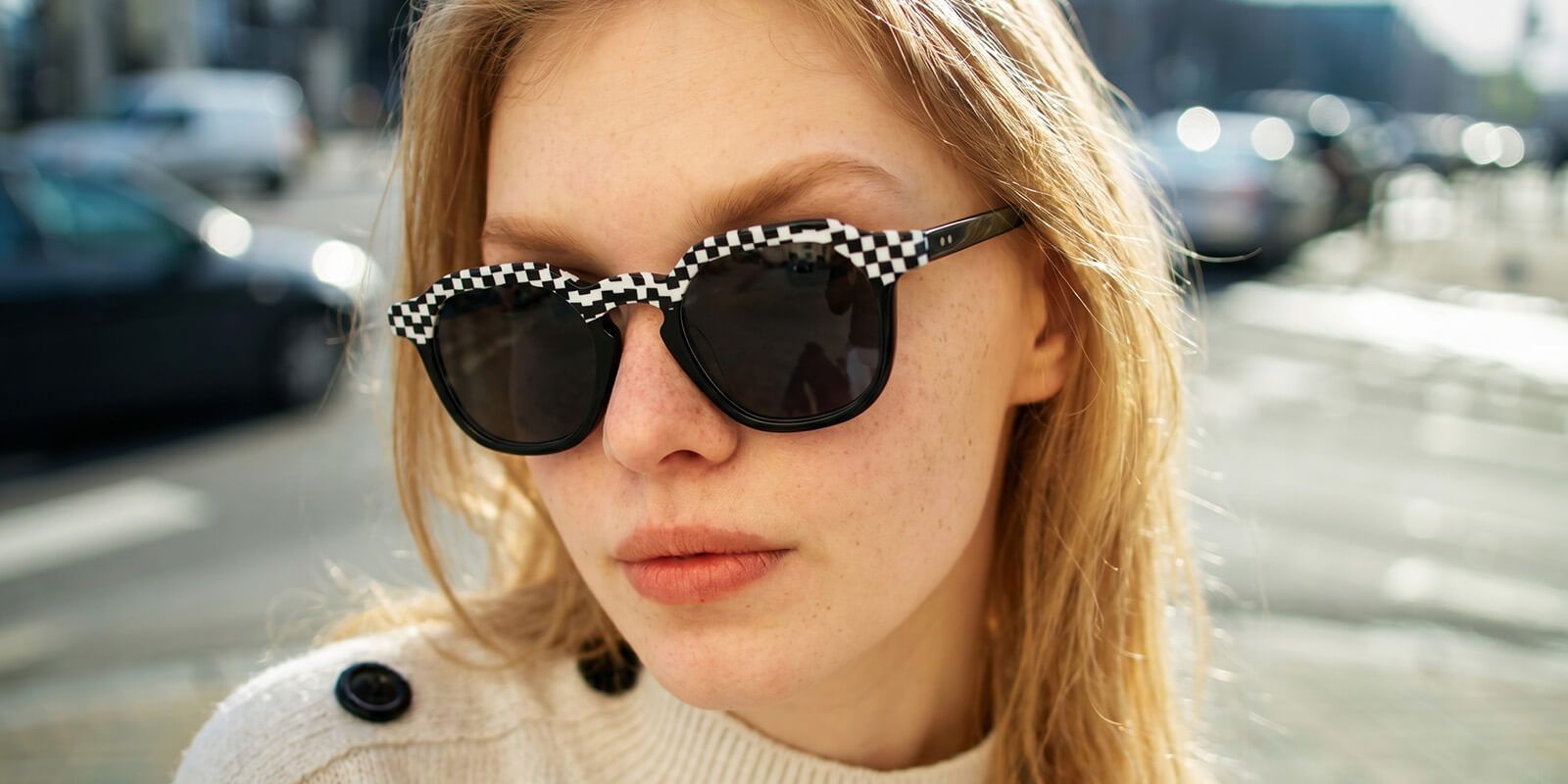
The Ultimate Shield—UV400 Protection Sunglasses
Think of UV400 sunglasses as optical sun protection. SPF measures how sunscreen protects your skin, while UV400 describes lenses designed to block ultraviolet wavelengths up to 400 nanometers, covering UVA and UVB.
The same protection category may appear as UV 400 sunglasses on a product page. The spacing is different, but the meaning is the same. You may also see lenses described as blocking 99% to 100% of UVA and UVB.
Most importantly, UV protection does not depend on how dark a lens looks. It may come from the lens material, a protective treatment, or both. Clear, lightly tinted, and dark lenses can all provide effective protection when their specifications confirm UV400 filtration.
That means a transparent pink lens can offer better UV protection than a very dark lens with no verified UV filter. When looking for the best sunglasses to protect eyes, check the UV400 specification first. Color, tint depth, and polarization come next.
Dark vs. Light Lenses: Matching the Right Vibe and Tech to Your Vacation Scene
Dark and light lenses are not simply two visual directions. Each works best for different lighting conditions and vacation scenes.
Lens depth controls visible brightness. Polarization reduces reflected glare, while UV400 filtration addresses invisible ultraviolet radiation. These features can work together, but they are not interchangeable.
The Deep Shade: When to Rock Dark Polarized Lenses
Dark polarized UV sunglasses are made for high-glare settings: beach tanning beneath the midday sun, yacht trips surrounded by open water, and long road trips across bright pavement.
Clear water and asphalt can reflect large areas of intense glare. A polarized filter works like a set of blinds for your eyes, reducing reflected visible light before it reaches you. The darker tint lowers overall brightness, making fierce midday conditions more comfortable.
Smoky gray lenses keep colors relatively neutral and balance a bright summer vacation outfit. Brown lenses bring warmth to cream shirts, linen layers, washed denim, or earthy swimwear.
Polarization does not automatically guarantee UV protection, so check both specifications. For water, driving, and long periods in direct sunlight, dark polarized UV400 sunglasses can be among the best sunglasses to protect eyes while also improving visual comfort.

The Sunkissed Tint: When to Opt for Light Tint Lenses
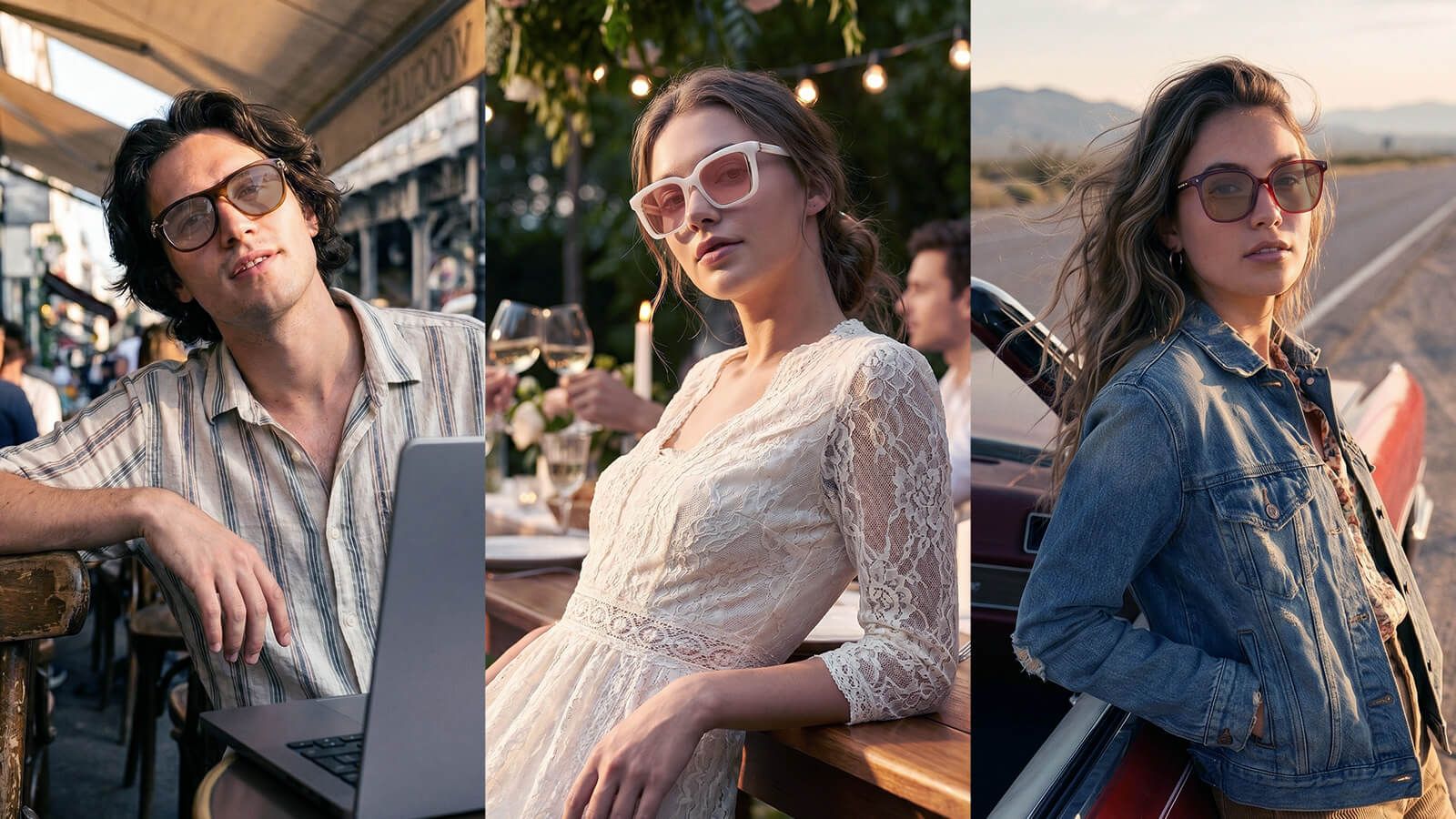
Light tint lenses work naturally for vacation scenes with frequent changes in brightness: walking through outdoor shopping streets, sitting down for an open-air brunch, stepping into local stores, or moving between festival grounds and shaded areas.
These settings do not always require polarization. Instead, a lighter tint can feel more flexible during moderate brightness and quick indoor-outdoor transitions.
Blush pink softens an all-black look. Mint green works with silver details, while powder blue adds a cooler note to white or denim. These semi-transparent colors keep the eyes visible and add personality to a summer vacation outfit.
A pale tint does not mean weak protection. Properly specified UV 400 sunglasses can filter UVA and UVB even when the lenses remain transparent.
Light UV sunglasses can also feel easier to wear during cloudy afternoons, sunset plans, or short visits to roadside shops. They will not reduce fierce midday glare as effectively as dark polarized lenses, but their flexibility makes them ideal for day-to-evening vacation styling.
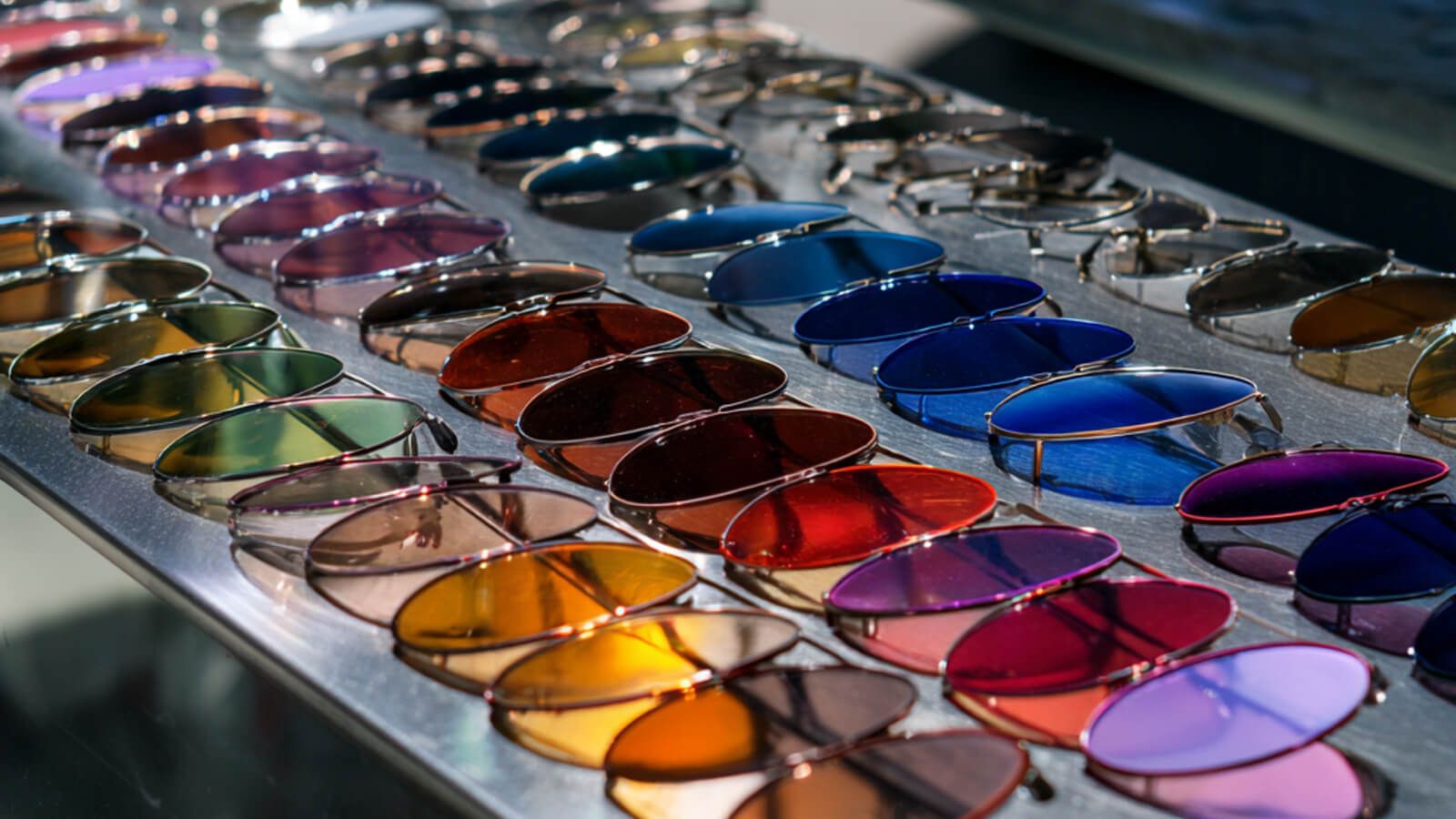
Vooglam’s Color Tint Lab™ offers more than 20 tint choices, with prescription and non-prescription options available depending on the frame and lens type. This makes it easier to coordinate UV400 sunglasses with a specific summer vacation outfit while keeping reliable eye protection at the center of the decision.
Summer Sunglass Myths: Busted!
Do Darker Lenses Always Offer Better UV Protection?
No. A dark tint reduces visible brightness, but darkness alone does not prove that the lenses provide reliable UV protection.
Behind dark lenses, your pupils may open more than they would in bright sunlight. If the lenses do not contain an effective UV filter, ultraviolet radiation may still reach the eyes. An unverified dark lens should never be considered one of the best sunglasses to protect eyes simply because it looks powerful.
The real protective feature is UV filtration. When comparing UV400 sunglasses with ordinary tinted lenses, read the specifications instead of judging protection by color. Confirm the UV400 or 99% to 100% UVA and UVB claim first, then choose the depth that suits your destination.
Do You Only Need Sunglasses on Clear, Sunny Days?
No. Clouds reduce visible brightness, but they do not turn off UV radiation. A substantial amount of invisible UV can still pass through thin cloud cover, while water, sand, and pavement continue reflecting it toward the eyes.
That is why lightly tinted UV sunglasses can be especially useful on cloudy days. They keep the view from feeling unnecessarily dark while verified UV400 filtration continues providing UV protection.
For a schedule that moves from brunch to a gallery and then an outdoor festival, light UV 400 sunglasses can adapt to changing brightness and add color to a summer vacation outfit. Check the local UV Index instead of judging exposure by how sunny the sky looks.
Conclusion
When packing for your next trip, do not leave your eyes exposed while every other part of your body gets the full SPF treatment.
Start with verified UV protection. Choose dark polarized UV sunglasses for beach tanning, yacht trips, and road travel, or light UV400 sunglasses for brunches, shopping, cloudy afternoons, and music festivals.
The best sunglasses to protect eyes bring together reliable UV400 technology, comfortable coverage, and a tint that belongs in your summer vacation outfit. Explore Vooglam’s Color Tint Lab™ to choose from more than 20 prescription and non-prescription tint options. Protect your eyes, finish the look, and give every vacation photo a stronger point of view.
More Information About UV Protection>>
Frequently Asked Questions
Can I Add My Prescription to These Tinted Lenses?
Yes. Select your frame on Vooglam and enter your prescription during the lens-selection process. You can then view the tint colors and depths available for that frame, prescription, and lens type.
Availability may vary depending on the frame, lens index, prescription strength, and tint option. Check the available specifications before ordering.
Do Sunglasses Expire? How Long Does UV Protection Last?
Sunglasses do not have one universal expiration date, and their protection does not automatically stop working after exactly two years. However, prolonged sunlight, heat, saltwater, rough cleaning, scratches, and peeling treatments may affect lens condition.
For sunglasses used frequently during summer travel, the two-year point can serve as a practical time to inspect the lenses rather than a fixed expiration deadline. Replace them if the lenses are badly scratched, the treatment is peeling, the frame no longer fits correctly, or the UV performance cannot be confirmed.

Vooglam Blog
Vooglam blog shares professional knowledge about eyeglass frames, lenses, etc., and provides help when purchasing and using eyewear products. At the same time, Vooglam focuses on fashion glasses to interpret the trend of glasses for you.