
Guide to Picking Glasses That Suit Your Face Shape Perfectly
February 27,2023
What is Boho Style? A Comprehensive Guide to Boho-Chic Fashion
February 13,2025

Virtual Glasses Try On - Find Your Perfect Pair Online
April 02,2024
UV Protection vs. Blue Light Glasses: Understanding the Core Differences
July 20,2023

The Ultimate Guide to Modern Trendy Men's Glasses: Top Styles for 2026
March 01,2024
Stylish Reading Glasses: Blending Fashion with Functionality
February 16,2023
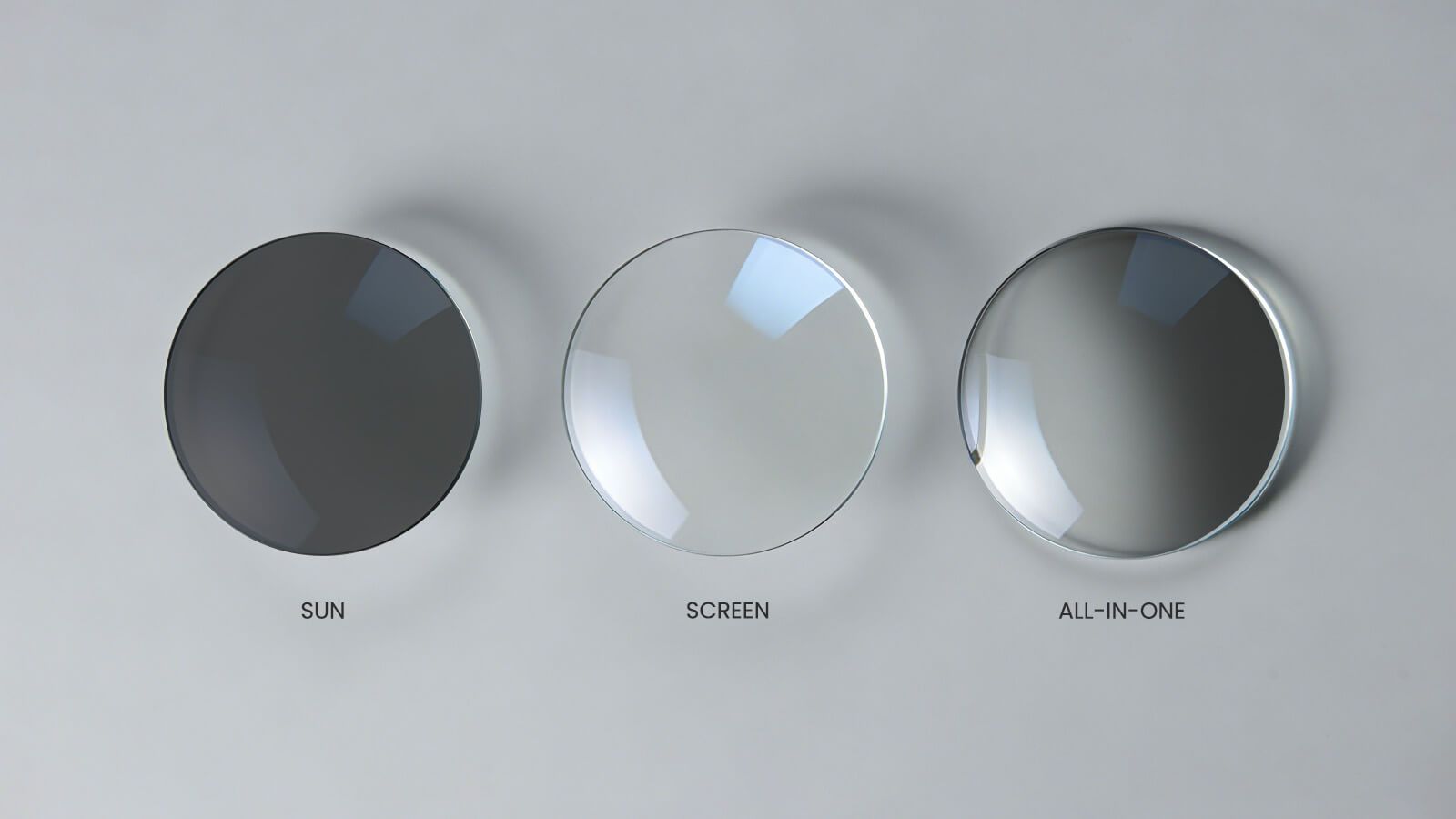
Photochromic Lenses 101: How They Work & Why You Need Them
September 22,2023

Brown Eyes: The Beauty of the Most Common Hue
September 01,2024

Best Glasses for Round Faces and Fuller Cheeks
August 02,2023

What are prisms in eyeglasses?
March 20,2023
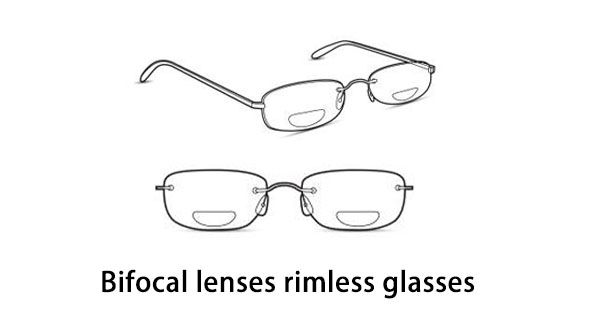
What Are Bifocal Glasses? The Complete Guide (Types, History & Benefits)
April 14,2023

How to Read Your Eyeglass Prescription?
March 11,2023
Which Glasses Frame Material Is Best? The Ultimate Comparison Guide
By Vooglam
Share this article

A frame may look striking online, but its material determines how it feels after hours of wear. Weight, flexibility, durability, and skin compatibility all begin with frame construction.
So, what is the best material for glasses frames? The answer depends on your skin, routine, prescription, budget, and style. This glasses frame materials comparison covers acetate, TR90, titanium, stainless steel, alloy, and mixed materials.
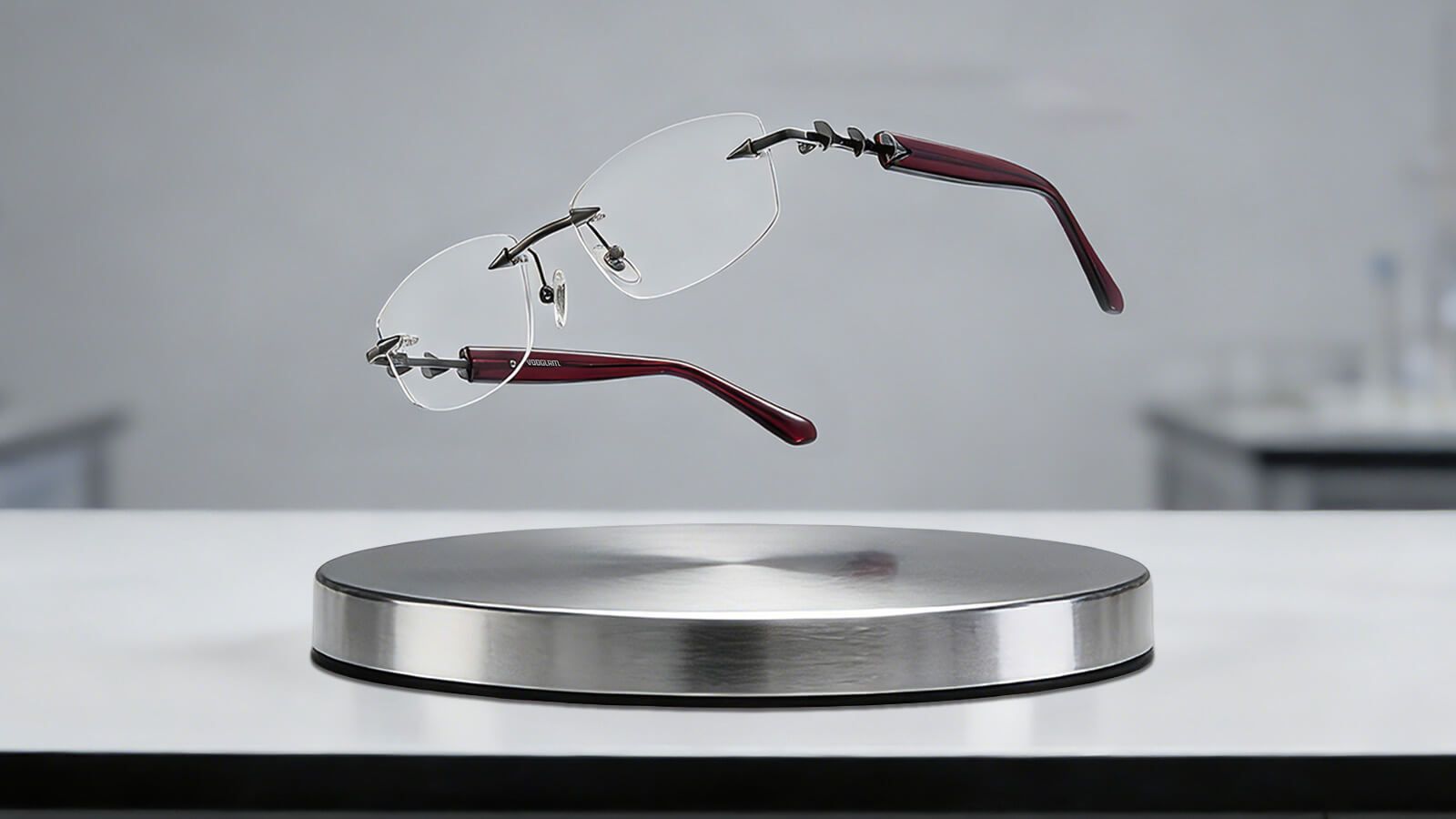
Key Factors When Choosing Frame Materials
Before comparing materials, consider your usual concerns. Do your glasses press into your nose, slide when you sweat, or cause itching behind the ears? These details often matter more than appearance alone.
Weight and Comfort
TR90 and titanium work well for long workdays, travel, or prescriptions requiring thicker lenses. Acetate feels more substantial, especially in bold silhouettes. Stainless steel and alloy can remain light when used in slim rims.
Fit is just as important. A lightweight frame with the wrong bridge width may feel less comfortable than a slightly heavier design that distributes pressure properly.
Skin Sensitivity
Titanium has a low risk of allergic reaction and good corrosion resistance. Acetate and TR90 reduce direct metal contact, although hinges may still contain metal.
Some stainless steel and alloy frames contain nickel, a common cause of skin reactions. If you have a confirmed metal allergy, check the complete material information before ordering.
Durability and Flexibility
TR90 handles bending and impact well, making it suitable for active routines. Titanium offers strength with minimal weight, while stainless steel provides firm support.
Acetate is sturdy but less flexible under sudden twisting. Alloy performance varies depending on its metal composition. No material is damage proof, so a protective case remains important.
Color and Texture
Acetate offers layered color, translucent effects, tortoise patterns, and polished surfaces. TR90 supports bright colors with a smoother finish.
Metal materials favor slim profiles and architectural lines. Mixed material designs add depth through contrasts between acetate, plastic, and metal.
The best material for glasses frames is therefore both a practical and visual choice.
Popular Eyeglass Frame Materials Compared
| Material | Main qualities | Best suited to |
| Acetate | Rich color, polished texture, solid structure | Expressive styling and color lovers |
| TR90 | Lightweight, flexible, impact resistant | Active routines and frequent travel |
| Titanium | Light, strong, corrosion resistant | Sensitive skin and extended wear |
| Stainless steel | Slim, stable, polished | Refined metal styling |
| Alloy | Varied finishes and accessible prices | Budget conscious style changes |
| Mixed material | Contrasting textures and balanced structure | Layered and unconventional looks |
Acetate and TR90
Acetate glasses frames are made from cellulose acetate sheets. They can display deep colors, transparent layers, patterns, and polished finishes. The material is especially suited to geometric shapes and sculptural rims.
Thick acetate glasses frames may place more pressure on the nose and are less flexible than TR90.
TR90 glasses frames use a lightweight thermoplastic material known for flexibility and impact resistance. They suit travel, extended wear, and active schedules. Their surface is usually less textured than acetate, but their low weight offers a clear comfort advantage.
Titanium and Stainless Steel
Titanium glasses frames are valued for low weight, strength, and corrosion resistance. They work well in humid climates and for people who dislike pressure around the nose or ears.
For many wearers with sensitive skin, titanium glasses frames are a strong option. However, “titanium” may refer to pure titanium or a titanium alloy. Check the full material details if sensitivity is your main concern.
Stainless steel supports fine rims and slim temples at a more accessible price. Some stainless steel contains nickel, so it should not automatically be considered allergy safe.
Alloy and Mixed Materials
Metal alloy glasses frames may contain copper, nickel, zinc, or other metals. Their weight, durability, and skin compatibility depend on the formula.
Well finished metal alloy glasses frames provide refined metal styling at an approachable price. Sensitive wearers should confirm whether skin contact components contain nickel.
Mixed material designs use two or more materials. An acetate front may be paired with metal temples, balancing texture, weight, and structural support.
Material Quick Match
Still wondering what is the best material for glasses frames? Start with your main priority.
| Your priority | Materials to consider | What to check |
| Sensitive skin | Titanium, acetate, or TR90 | Hinge and temple materials |
| Lightweight comfort | TR90 or titanium | Total weight and bridge fit |
| Rich color | Acetate | Color layers and polished edges |
| Active routines | TR90 | Flexibility and hinge construction |
| Fine metal lines | Titanium or stainless steel | Metal and nose pad composition |
| Accessible pricing | TR90, plastic, or alloy | Complete material listing |
| Material contrast | Mixed materials | Weight distribution |
Titanium is a leading choice when low weight and skin compatibility come first. TR90 balances flexibility, comfort, and value. Acetate stands out through color and artistic texture. Stainless steel and alloy support precise metal profiles, while mixed materials add contrast.
How Vooglam Pairs Style with Quality Materials
Vooglam treats material as part of its design language. Rich acetate glasses frames support expressive color and sculptural volume. Lightweight TR90 glasses frames bring comfort to bold silhouettes. Titanium offers a refined option for people who want less weight without losing visual intention.
Mixed material designs place acetate beside visible metal details for added structure. Eligible Vooglam frames can also be ordered with prescription lens features, including blue light filtering, photochromic, tinted, and polarized options.
Through its direct to consumer model and prescription production system, Vooglam offers acetate, TR90, titanium, and metal alloy glasses frames across varied styles and prices.
Choose the Right Material for Your Life
So, what is the best material for glasses frames? Choose titanium or TR90 when low weight matters most. Consider acetate for color and artistic presence. Stainless steel offers precise structure, alloy provides accessible variety, and mixed materials deliver visual contrast.
The right material should suit your skin, prescription, activity level, and personal style. Explore Vooglam’s eyeglass frame materials and review the product details before ordering.
FAQ
Can I order prescription lenses with my Vooglam frames?
Yes. Select a frame, enter or upload your prescription, and choose from the available lens materials and features. Eligible options may include single vision, progressive, blue light filtering, photochromic, tinted, polarized, or driving lenses.
What information do I need to order prescription glasses online?
You usually need a current eyeglass prescription with SPH for each eye. Astigmatism prescriptions also require CYL and Axis. You will need your pupillary distance, known as PD.
Progressive prescriptions may include ADD, while prism correction requires Prism and Base information. Contact lens prescriptions cannot replace eyeglass prescriptions because their measurements differ.

Vooglam Blog
Vooglam blog shares professional knowledge about eyeglass frames, lenses, etc., and provides help when purchasing and using eyewear products. At the same time, Vooglam focuses on fashion glasses to interpret the trend of glasses for you.

The 90s Corporate Siren: Pairing Neutral Layering, Pinstripes, and Leather Skirts with Vintage Wire Frames

Vooglam
Decodes the 90s Corporate Siren trend by pairing neutral layering, pinstripes, and leather skirts with Vooglam vintage oval wire frames and cat-eye metal glasses for high-power office wear.
September 11,2026
Liquid Metal & Sculpted Wire: The Anatomy of Retro-Futurist Eyewear
Vooglam
Explores Vooglam x Mona Matsuoka's retro-futurist eyewear featuring liquid metal design and sculpted wire frames. Details the Okinawa 3D wave and Ebisu fluid oval glasses.
September 10,2026
The 2026 Autumn/Winter Pantone Palette Guide: Decoding Eastern Aesthetics & Wardrobe Harmony
Vooglam
Analyzes the 2026 Autumn/Winter NYFW Pantone palette through Eastern aesthetics. Explores styling 10 trend colors with Vooglam metal, acetate, and subtle tint eyewear.
September 09,2026
The Last Real Decade: Translating 90s Alternative Culture into Premium Eyewear
Vooglam
Vooglam's 90s alternative culture collection translates Grunge aesthetics into daily premium eyewear. Features heavy vintage-finished metals and thick acetate frames for analog style.
September 08,2026