
Metal eyewear has moved far beyond the stiff, old fashioned wireframe stereotype. In 2026, fine rims, exposed hardware, and cool metallic finishes sit naturally within Clean Fit styling and the wider return of intelligent, precise accessories. The appeal is not about disappearing into the background. Modern metal eyeglass frames use restraint as a form of expression, giving the face more open space while adding a deliberate line around the eyes.
The right pair can also feel remarkably light and adjustable. From barely visible titanium to angular wire shapes and retro aviators, today’s metal frame prescription glasses balance visual clarity, comfort, and personality. This guide explains the main metal frame materials, the measurements that matter, and the metal frame specs worth checking before you order.

What Are Metal Glasses? Beyond the Basic Wireframe
If you are wondering what are metal glasses, the answer is eyewear built mainly around a metal front, bridge, or temple structure. The category includes full rim, half rim, and rimless designs made from titanium, stainless steel, alloy, or mixed materials.
Their greatest visual advantage is lightness. Thin rims leave more open space around the eyes, so the frame can define the face without covering it. This makes metal eyeglass frames especially useful when you want polished structure with a quieter presence.
Many designs use adjustable nose pads. These allow more control over bridge height and angle than a fixed molded bridge. They can help with a low nose bridge, prominent cheeks, or frequent slipping. Fit also depends on frame width, bridge placement, temple length, and lens weight.
Modern metal frame specs are not limited to silver wire. Matte black, rose gold, gunmetal, warm gold, and brushed finishes can shift the mood from technical to soft or retro. Some styles add acetate around the brow or eyewire, bringing more color and visual weight without losing the fine metal structure.
Decoding Metal Frame Materials: Find Your Perfect Match
Materials do not all behave the same way. Weight, flexibility, corrosion resistance, and skin response can vary by grade, coating, solder, hardware, and construction. Understanding metal frame materials helps you choose beyond appearance.
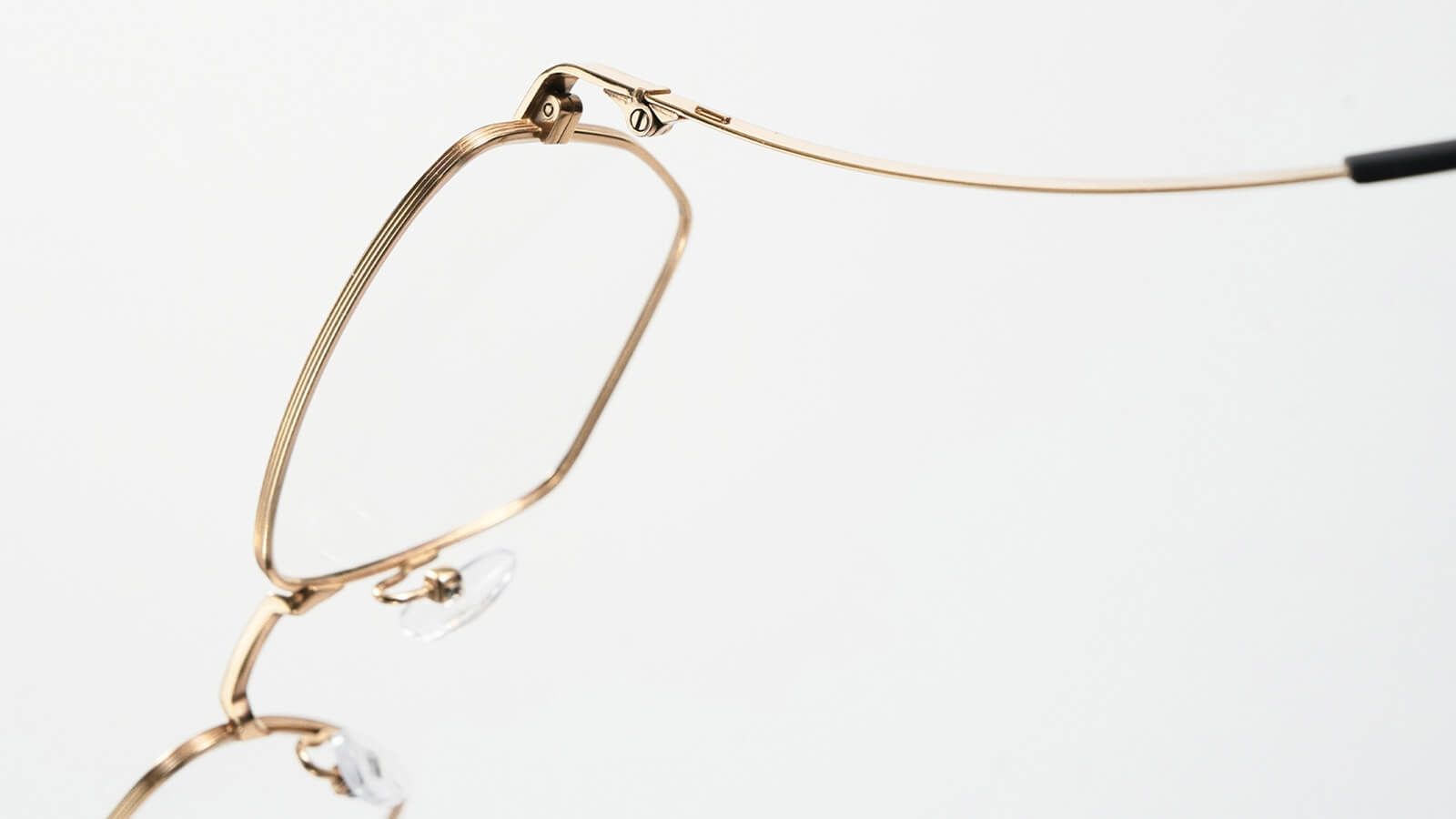
Titanium Eyewear: The Featherweight Champion
Titanium eyewear is valued for high strength relative to weight and corrosion resistance. Titanium has a long history in fields such as aerospace and medical technology. However, “aerospace grade” should only be used when a specific alloy and certification support the claim.
For long hours of wear, low weight is the key advantage. Strong prescriptions add mass at the front. Light titanium eyewear may reduce pressure on the nose and ears, although comfort still depends on lens thickness, frame size, balance, and fit.
Commercially pure titanium does not use nickel as an intentional alloying ingredient, so it can suit people concerned about nickel sensitivity. Still, hinges, screws, solder, plating, or decoration may use other metals. Check the complete product description instead of assuming every titanium frame is entirely nickel free.
Explore Vooglam’s titanium eyewear if you want a minimal profile or lighter support for stronger lenses. Smaller or medium lens dimensions may help control total lens weight.
Stainless Steel Frame Glasses: Durable, Flexible Value
Steel frame glasses balance strength, flexibility, finish variety, and price. Chromium forms a protective surface layer that supports corrosion resistance. Depending on the grade and construction, stainless steel can maintain a slim profile through frequent wear.
The material suits commuters who want refined color at a moderate price. Rose gold softens geometry. Matte black adds a graphic edge. Gunmetal feels technical, while polished gold brings warmth. These finishes make steel frame glasses easy to style with tailoring, knitwear, or relaxed pieces.
Do not assume stainless steel is nickel free. It includes many grades, and common grades may contain nickel. If you have a known metal allergy, review the complete material disclosure. Coating may reduce contact, but scratches and wear can change the exposed surface.
For value focused metal frame prescription glasses, stainless steel remains versatile. Browse Vooglam by material and finish, then compare measurements before choosing.
Mixed Materials: Metal Structure with Acetate Definition
Mixed eyewear pairs a metal skeleton with acetate brows, inserts, temple sections, or rims. Metal provides structure, while acetate adds color and facial definition. These metal frame materials suit anyone who wants metallic detail with more presence around the lenses.
A browline design draws attention upward without using a fully thick frame. An acetate insert can add tortoiseshell, transparent gray, burgundy, or layered color. It may also make the lens edge less exposed than a thin wire rim.
Added definition can help stronger prescriptions look balanced, but it will not hide every thick lens. Edge visibility depends on prescription, pupil distance, lens shape, refractive index, and fit. With mixed metal eyeglass frames, consider a smaller eye size and confirm lens compatibility.
Other Metal Names You May See
The original Vooglam guide also identifies brass, bronze, Monel, nickel alloys, aluminum, memory metal, and precious metal alloys. Some are used mainly in bridges, temples, nose pad cores, springs, screws, or plated bases rather than as the only frame material.
Aluminum is light and can take colored finishes, while memory metal is known for flexibility. However, memory titanium often refers to a nickel titanium alloy, so it should not be confused with commercially pure titanium. The complete material disclosure matters more than a single metal name, especially when skin sensitivity is a concern.
Metal Frame Specs: How to Style Them for 2026
The most relevant metal frame specs go beyond measurements. Rim construction, lens depth, bridge design, and finish shape the final look. In 2026, minimal profiles share space with expressive geometry, so choose the impact that suits you.
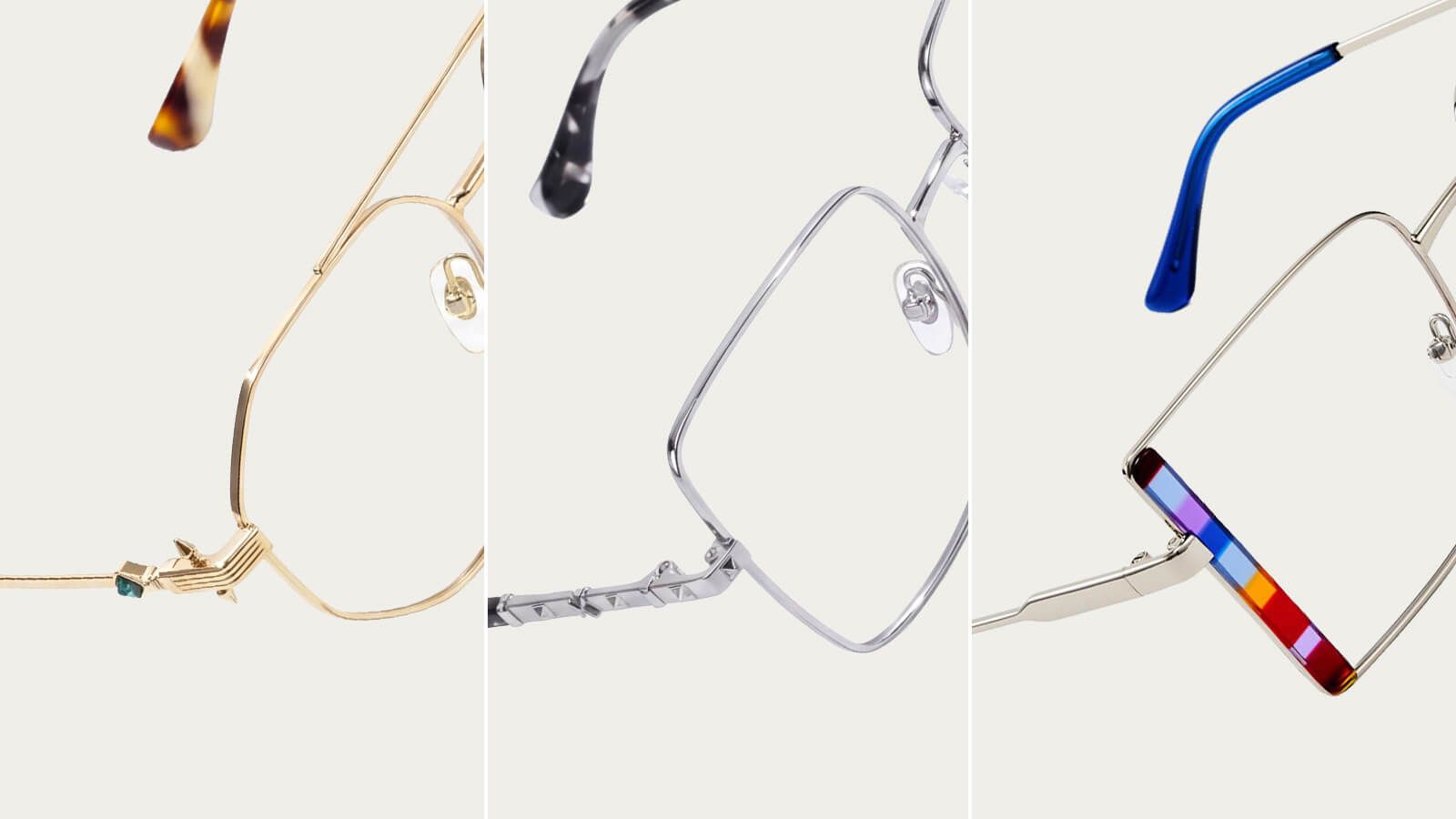
Rimless and Half Rim: Minimal Structure
Rimless and half rim metal eyeglass frames keep the face open. They suit Clean Fit wardrobes, fine knits, sculptural jewelry, and precise tailoring without forming a heavy border around the eyes.
Rimless construction requires careful lens selection because drilled lenses become part of the structure. With a strong prescription, confirm that lens material, thickness, and shape suit the mounting system. Half rim designs offer more structure with a similar mood.
Geometric Wireframes: Controlled Artistic Energy
Hexagonal, octagonal, and softly irregular wireframes bring an artistic edge to metal frame prescription glasses. Fine lines keep unusual geometry controlled. Pair them with a simple shirt, monochrome knit, or clean jacket.
Proportion still comes first. Choose corners that echo or contrast your facial lines, and avoid a lens width that pushes the temples outward. The best geometric frame feels distinct from the front and balanced from the side.
Retro Aviators: A Timeless Statement
Metal aviators add scale, a double bridge, and retro attitude. They can sharpen a plain shirt or knit polo. A slimmer bridge, flatter top line, or unexpected finish makes the familiar shape feel current.
For a 2026 contrast, customize metal with light Color Tints. Pale amber warms silver. Soft blue gives gold an experimental mood. Rose or smoke sharpens gunmetal without hiding the eyes. Vooglam lens customization keeps prescription needs central.
Find the Metal Frame That Fits Your Life
The best metal frame is not simply the lightest or strongest one. It is the design that fits your face, prescription, routine, and visual taste. Choose titanium eyewear when low weight and corrosion resistance matter most. Consider steel frame glasses for versatile finishes and practical value. Explore mixed materials when you want the openness of metal with more color or lens edge coverage.
Before ordering, compare eye size, bridge width, temple length, rim construction, and lens compatibility. Then use Vooglam’s 3D virtual try on to judge the proportions on your face.
Experience weightless comfort. Explore Vooglam’s premium metal frame prescription glasses today.
FAQ
What are the best metal eyeglass frames for sensitive skin?
Commercially pure titanium eyewear is often a good starting point because nickel is not an intentional ingredient. However, hinges, screws, plating, and decoration may use other metals. Confirm that the complete frame is nickel free. Stainless steel may contain nickel, so check its grade and skin contact components.
Are metal frames better than plastic acetate frames?
Neither is universally better. Metal offers finer lines, less visual weight, and adjustable nose pads. Acetate supports richer patterns, thicker silhouettes, and more lens edge coverage. Choose according to fit, color, volume, and prescription needs. Mixed construction offers a middle ground.
Comparison Between Plastic And Metal Glasses>>
Can I put a high prescription in metal glasses?
Yes, many high prescriptions can use metal frames, but the pairing matters. Thin rims may leave lens edges visible. A smaller eye size and rounded shape can reduce edge thickness for strong minus prescriptions. High index lenses may reduce thickness, but impact resistance varies by material. Confirm compatibility for rimless and half rim systems.
This article is not a substitute for a professional diagnosis.