
The sun brings us light and heat, and is the source of life on Earth. But did you know? The sun actually hides an "invisible killer" for the eyes - solar retinopathy. Many people underestimate the dangers of looking directly at the sun. Even if it's just a few seconds, the retina may be irreversibly damaged. It is very important to understand the causes, symptoms and prevention methods of this eye disease, especially when watching special astronomical phenomena such as solar eclipses.
What is solar retinopathy?
Simply put, solar retinopathy is caused by staring directly at the sun without protection, resulting in damage to the most important "photosensitive part" of the eye - the retina. The ultraviolet and infrared rays emitted by the sun will pass through the eyeball and concentrate on the retina, causing chemical changes in the cell structure and affecting vision.
This situation often occurs when watching a solar eclipse. Many people look up at the sun curiously, but they don't wear professional protective glasses. In fact, it may also happen if you stare at the sun for a long time on a sunny day, or in places with strong sunlight and strong reflections such as plateaus and snowy areas.
What are the symptoms of solar retinopathy?
Symptoms of solar retinopathy generally do not appear immediately, usually only slowly appearing a few hours after exposure, so many people do not realize that it is the sun that is to blame. Common symptoms include:
Blurred or distorted central vision, things always seem unclear, and even faces cannot be recognized
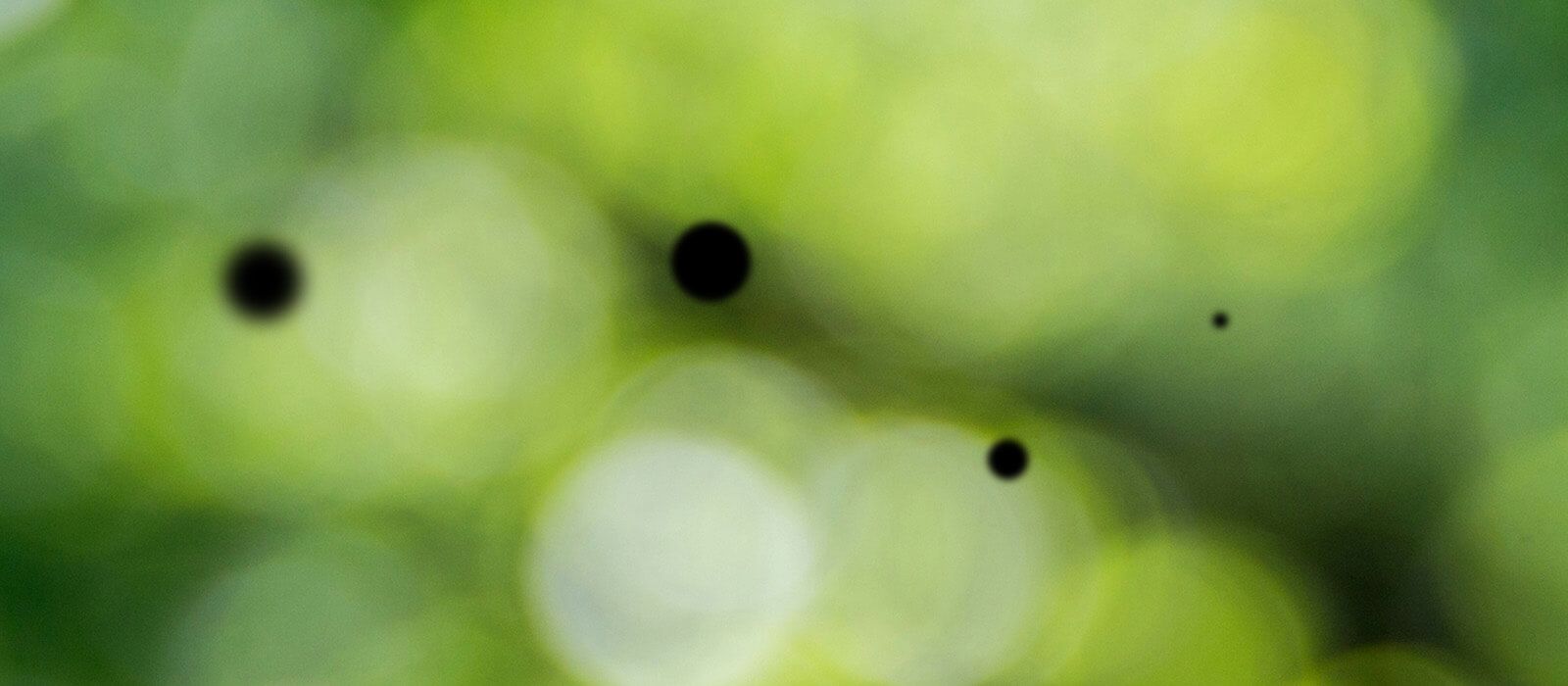
Black spots or gray spots (medically called "scotoma") appear in the center of the field of vision, blocking your ability to see details
Extremely sensitive to light, uncomfortable or even stinging when seeing bright light
Some people also feel that the color has changed, or there are always flashing spots in front of their eyes
Once these symptoms appear, it is recommended to go to the hospital for professional examination as soon as possible.
Why is it injured?
Our eyes are like a high-precision camera. After passing through the cornea and lens, the sunlight will be focused on the retina. If there is no protection, the strong light of the sun is like a laser, concentrating the energy at one point, and instantly damaging the retinal cells. And the retina has no pain nerves, so you don't feel pain at all when you are injured.
Ordinary sunglasses, smoked glass, film, CDs and other "homemade tools" can't block harmful light at all, but will make you feel "not so bright", and it is easier to look directly at the sun for a long time, which is more risky.
Who is most likely to be affected?
People who like to watch the solar eclipse but do not wear professional protective glasses, especially during a partial solar eclipse when the sun is still bright
Children and teenagers are curious but lack safety awareness
People who work outdoors for a long time, such as farmers and construction workers
People who live in plateaus or snowy areas, where UV rays are stronger and reflect more
It is very important to understand your risks and take protective measures in advance.
Can you recover after being injured?
The degree of recovery of retinal damage depends on the severity of the injury. Minor injuries may slowly improve over a period of weeks to months. But if the injury is too severe, vision may be permanently damaged and central vision may be lost and cannot be restored.
There is currently no specific drug to reverse solar retinopathy, so prevention is far more important than treatment. If an injury is suspected, doctors usually use equipment such as OCT (optical coherence tomography) to examine the retina in detail.
How to protect your eyes?
- The most important principle: never look directly at the sun with your naked eyes!
- Especially when watching a solar eclipse, doing outdoor activities, or in a very sunny environment, be sure to:
- Use international ISO-certified eclipse glasses, which can effectively filter harmful ultraviolet and infrared rays
- When going out, choose sunglasses marked with "UV400" or "polarized" functions
- Never use "home remedies" such as smoked glass, film, and old CDs, which cannot really protect your eyes
- Invest in a pair of high-quality protective glasses, which are safe, comfortable, and fashionable.
Summary: Protect your eyesight, start by not looking directly at the sun
Solar retinopathy can actually be completely avoided as long as we are vigilant and take the right protective measures. Whether it is watching celestial phenomena or daily life, protecting your eyes can help you appreciate the beauty of the world.