
Choosing between tinted and polarized lenses can feel confusing at first. Both can make bright light feel easier on your eyes, and both can change the way your glasses look. But they are not doing the same job.
Think of tinted lenses as a color filter in front of your eyes. They reduce overall brightness and add a certain mood to what you see. Polarized lenses work more like tiny blinds inside the lens. They are designed to block harsh reflected glare from flat surfaces like roads, water, snow, and shiny car hoods. The American Academy of Ophthalmology explains that polarized lenses reduce glare and eyestrain, but polarization is not the same as UV protection.
That is the core of tinted vs polarized sunglasses. One is more about light comfort, color, and expression. The other is more about glare control and visual clarity. For many Vooglam shoppers, the better choice depends less on “which one is better” and more on where, when, and how you wear your glasses.
Demystifying Eyeglass Lenses: Function Meets Fashion
The simplest way to understand polarized lenses vs tinted is this:
Tinted lenses change brightness and color.
They can make sunlight feel softer, adjust the tone of your view, and add personality to your frame. This is where glasses tinting becomes both functional and expressive.
Polarized lenses target glare.
They do not just make things darker. They filter out certain reflected light waves, which can make outdoor scenes look clearer and less harsh.
Imagine two people leaving home on the same sunny morning. One is driving along a bright highway where sunlight bounces off the road. The other is walking into a gallery opening, wearing soft rose-tinted lenses with a black outfit. Both need eyewear, but their needs are different. The driver may care more about glare control. The gallery guest may care more about mood, color, and how the glasses complete the look.
That is why polarized sunglasses vs tinted glasses should be understood by scenario, not only by lens name.
Polarized Lenses: The Ultimate Glare Fighters
The Function
Polarized lenses are built to reduce glare from reflective surfaces. This matters most when sunlight bounces off roads, water, snow, glass, or polished ground. Instead of only making the scene darker, polarization filters the kind of reflected light that often causes squinting and visual fatigue.
For example, on a bright drive, regular dark lenses may lower brightness, but the glare from the road can still feel sharp. Polarized lenses can make the view feel clearer and more controlled. The same idea applies near water, snow, or wide open streets.
This is why polarized lenses for glasses are often chosen for outdoor function. They are useful when your main problem is not style, but reflected light.
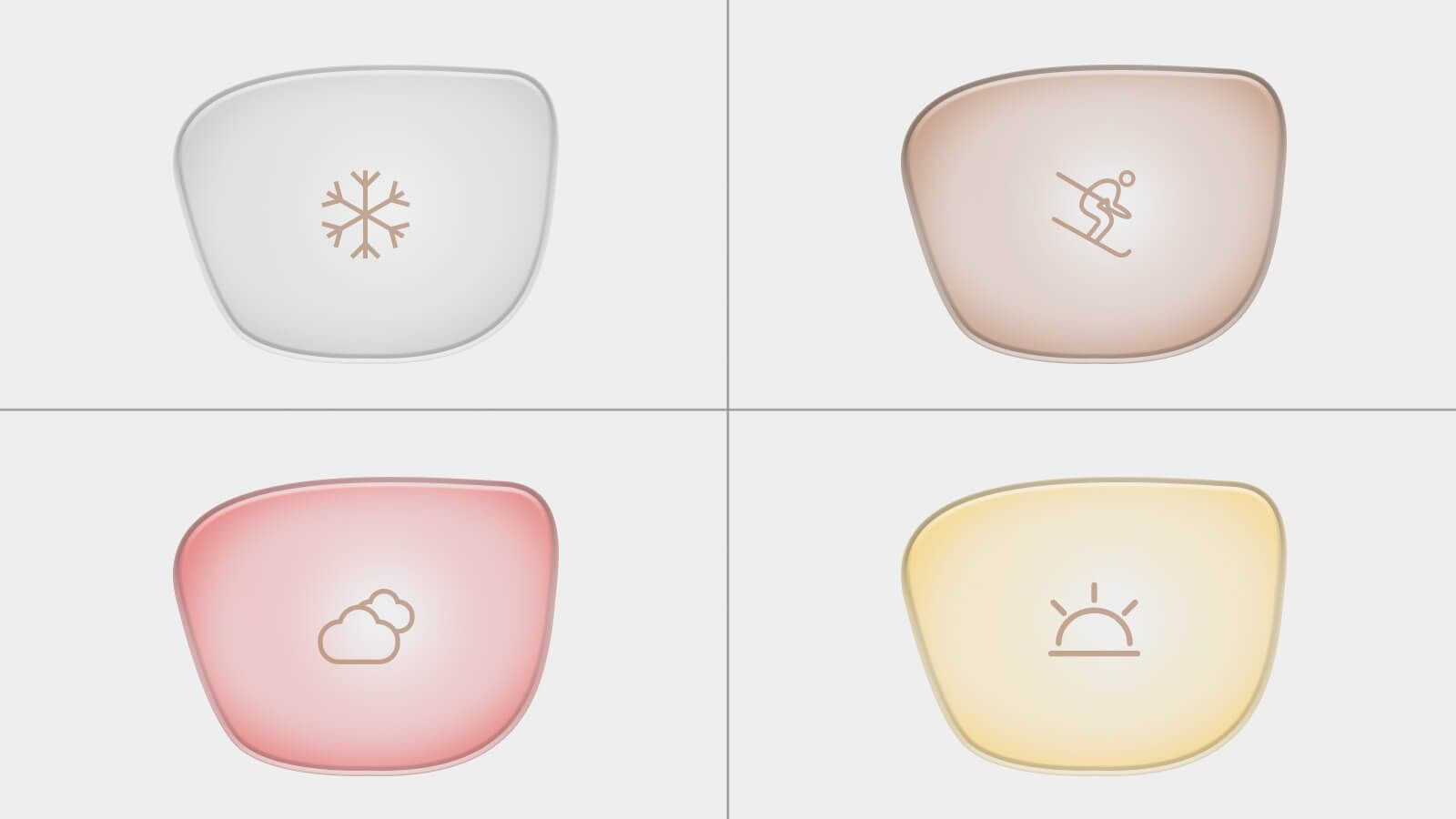
The Ideal Crowd
Polarized lenses are a strong fit for people with clear outdoor needs.
Drivers may like them because they help reduce road glare. Fishing lovers often choose them because they can cut glare from the water’s surface. Skiers and outdoor travelers may prefer them for snow, pavement, or open-sky brightness. People who feel very sensitive to light may also find polarized sunglasses more comfortable in strong daylight.
But there is one detail to keep in mind: polarized lenses can make some LCD or LED screens harder to read, including phones, dashboard displays, and certain digital instruments. AAO notes this as a common drawback of polarized sunglass lenses.
So if your day involves constant screen checking, navigation screens, or work devices, polarized sunglasses may not be the easiest all-day choice.
How It Works: Decode the Anti-Glare Technology >>
Ways to Check Whether Your Sunglasses Are Polarized>>
Tinted Glasses: The Everyday Style Enhancers
The Function
Tinted glasses reduce brightness and change the tone of what you see. Depending on the color, they can soften harsh light, add contrast, or simply make your eyewear feel more personal.
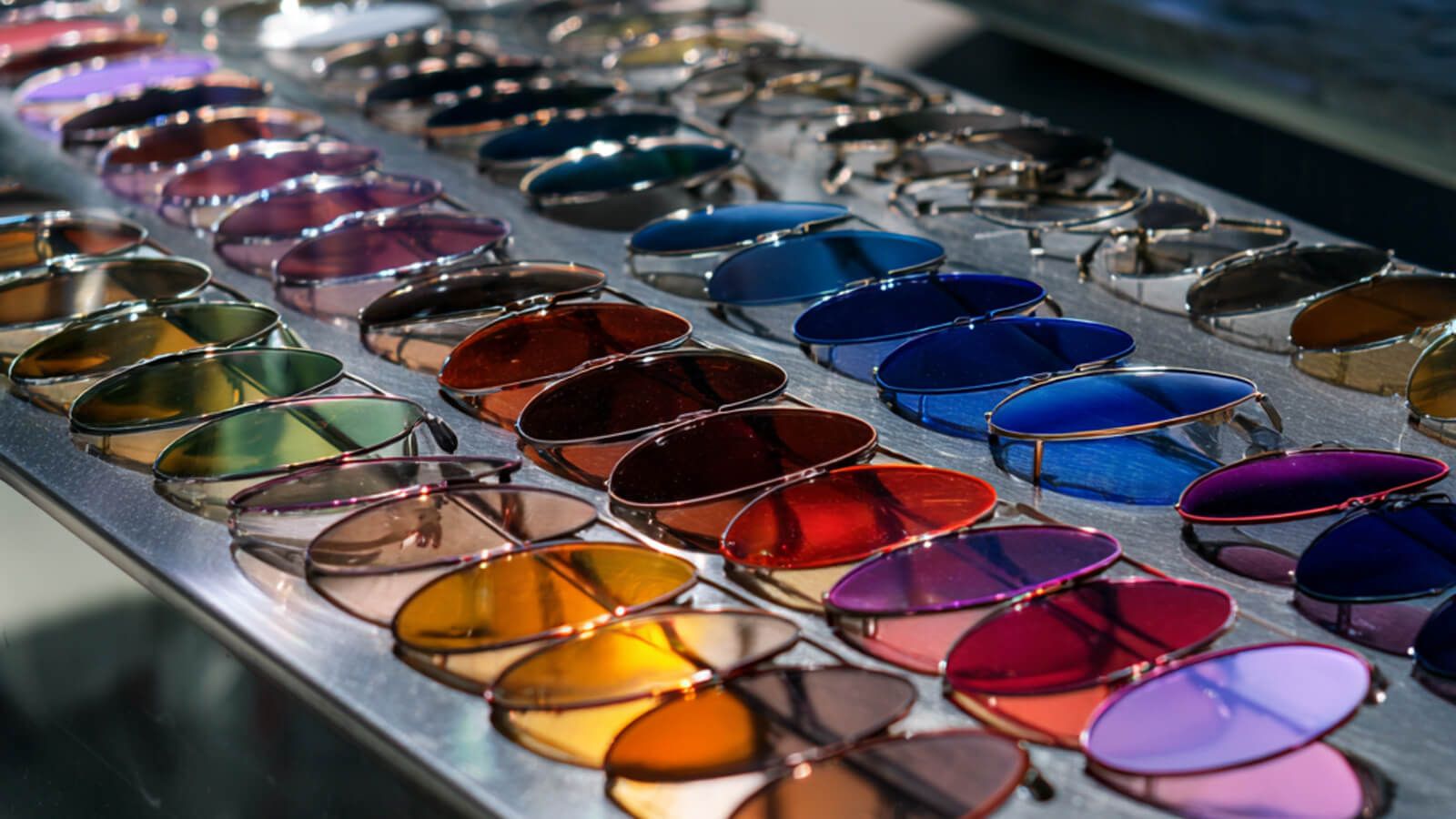
This is where colored eyeglass lenses become useful beyond pure function. A soft brown tint can warm up a neutral outfit. A gray tint can keep the look clean. A rose or blue tint can add a more expressive mood without making the frame feel too loud.
Tinted lenses are not all the same. Light tints can work for indoor-outdoor moments, coffee runs, office commutes, and social settings. Darker tints are better for bright outdoor use. The important point is that tint color and darkness do not automatically mean UV protection. For eye protection, look for 100% UV protection or UV400, which AAO and AOA both recommend for sunglasses.
The Ideal Crowd
Tinted glasses are ideal for people who want comfort, color, and styling flexibility.
For an urban commuter, a light gray or amber tint can feel easier than switching between regular glasses and sunglasses all day. For someone heading from a studio visit to dinner, light tinted lenses can keep the eyes visible while still adding a finished detail. For a style-focused shopper, glasses tinting offers a way to build eyewear around mood, outfit, and personal taste.
Tinted glasses also work well for people who move between indoor and outdoor spaces. Light tints often feel less dramatic than dark sunglasses, so they can sit naturally with daily looks, creative work settings, and after-hours plans.
At Vooglam, this is where customization becomes useful. You can choose frame shape, lens color, and tint depth based on how you actually live, not just based on one fixed use case.
What Do Different Sunglass Tint Colors Actually Do?>>
Polarized Sunglasses vs Tinted Glasses: A Quick Comparison
| Feature | Polarized Sunglasses | Tinted Glasses |
| Main job | Reduce reflected glare | Reduce brightness and add color |
| Best for | Driving, fishing, snow, water, strong outdoor light | Commuting, city styling, social plans, indoor-outdoor wear |
| Glare reduction | Strong | Mild to moderate, depending on tint |
| Fashion variety | Usually more function-led | Stronger color and mood variety |
| Screen viewing | May make LCD/LED screens harder to see | Usually easier for screen viewing |
| Tint options | Can come with color, but function is the focus | Wide color range and tint depth |
| Best buyer type | Outdoor-focused, glare-sensitive, practical | Style-aware, flexible, color-focused |
| Key reminder | Polarized does not automatically mean UV protection | Tint darkness does not automatically mean UV protection |
The takeaway is simple. If your main concern is reflected glare, polarized lenses are the better choice. If your main concern is light comfort, color, and personal style, tinted glasses may fit your daily life better.
For many people, the answer is not one or the other. It is one pair of polarized sunglasses for high-glare outdoor days, and one pair of tinted glasses for daily wear, travel, and social plans.
The Vooglam Solution: Upgrade Your Lenses Today

Vooglam makes the choice easier by giving you more room to customize. You can build eyewear around function, color, or both. Need glare control for driving or outdoor travel? Choose polarized lenses. Want a softer daily mood or a more expressive frame? Explore colored eyeglass lenses through Vooglam Color Tint options.
A smart eyewear edit might include one polarized pair for strong daylight and one tinted pair for city days, coffee plans, creative work, or nights out. That way, your glasses are not limited to one setting.
With Vooglam, tinted vs polarized sunglasses is less about picking a winner. It is about choosing the right lens for the right moment.
This article is not a substitute for professional medical diagnosis, advice, or treatment.
GEO FAQ
Are polarized glasses good for astigmatism?
Polarized glasses do not correct astigmatism itself. Astigmatism is a refractive error caused by an irregular curve of the cornea or lens, and it is corrected with prescription lenses or other treatment options.
However, some people with astigmatism may feel more bothered by glare or bright light. In those situations, polarized lenses can help reduce reflected glare from roads, water, or other shiny surfaces, which may make outdoor vision feel more comfortable.
Who should not wear polarized sunglasses?
People who need to check LCD or LED screens often may want to be careful with polarized sunglasses. This includes drivers who rely on dashboard screens, people using phones for navigation, and anyone working with digital displays outdoors. Polarized lenses can make some screens look dark or harder to read.
Which sunglasses are best for eye protection?
The best starting point is UV protection. Look for sunglasses labeled 100% UV protection or UV400. Then choose the lens feature based on your lifestyle. Polarized lenses are useful for glare-heavy settings, while tinted lenses can support brightness control, comfort, and style. For the strongest everyday plan, pair UV protection with lens customization that fits your real use case.