
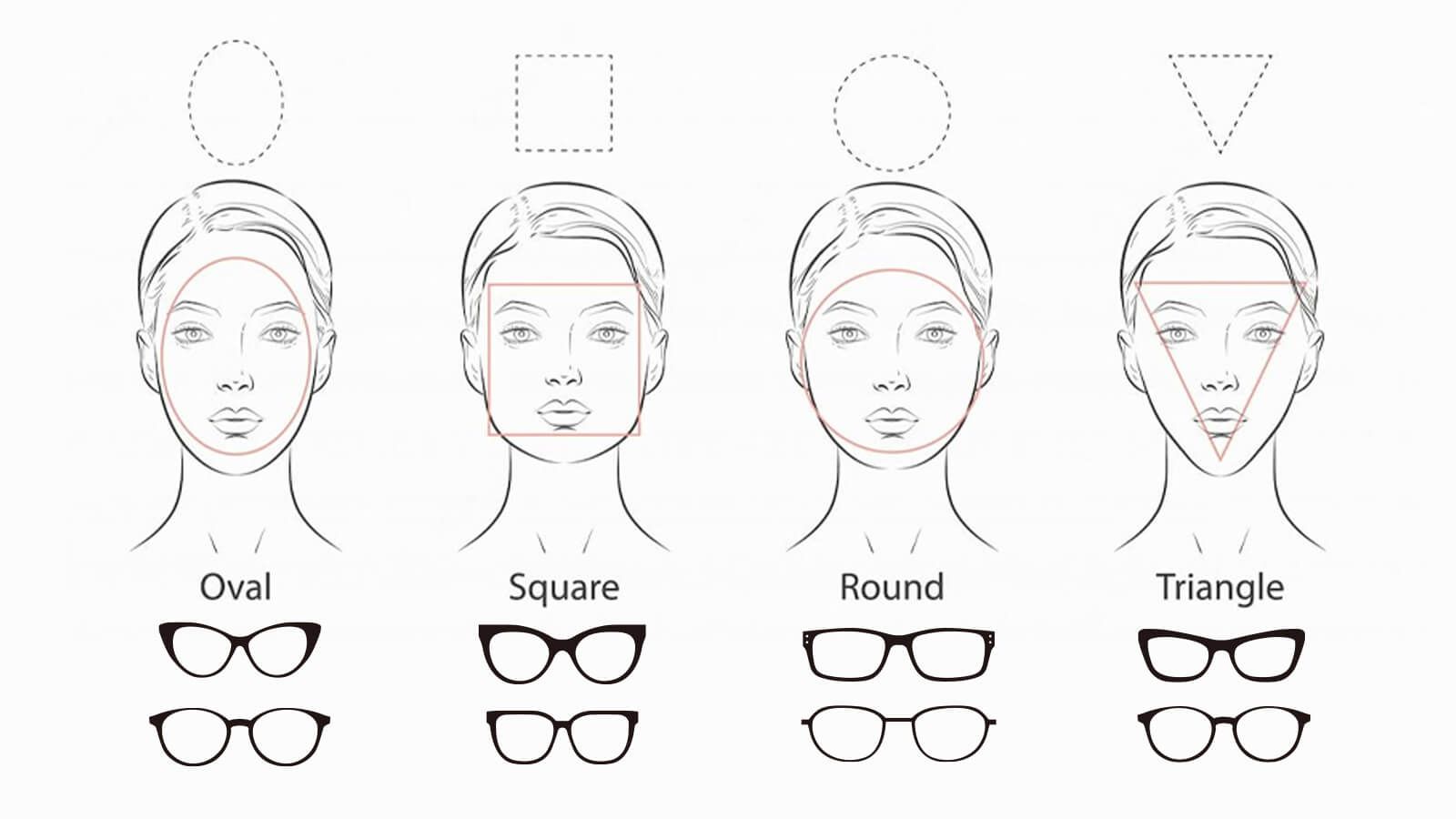
Guide to Picking Glasses That Suit Your Face Shape Perfectly
February 27,2023
What is Boho Style? A Comprehensive Guide to Boho-Chic Fashion
February 13,2025

Virtual Glasses Try On - Find Your Perfect Pair Online
April 02,2024
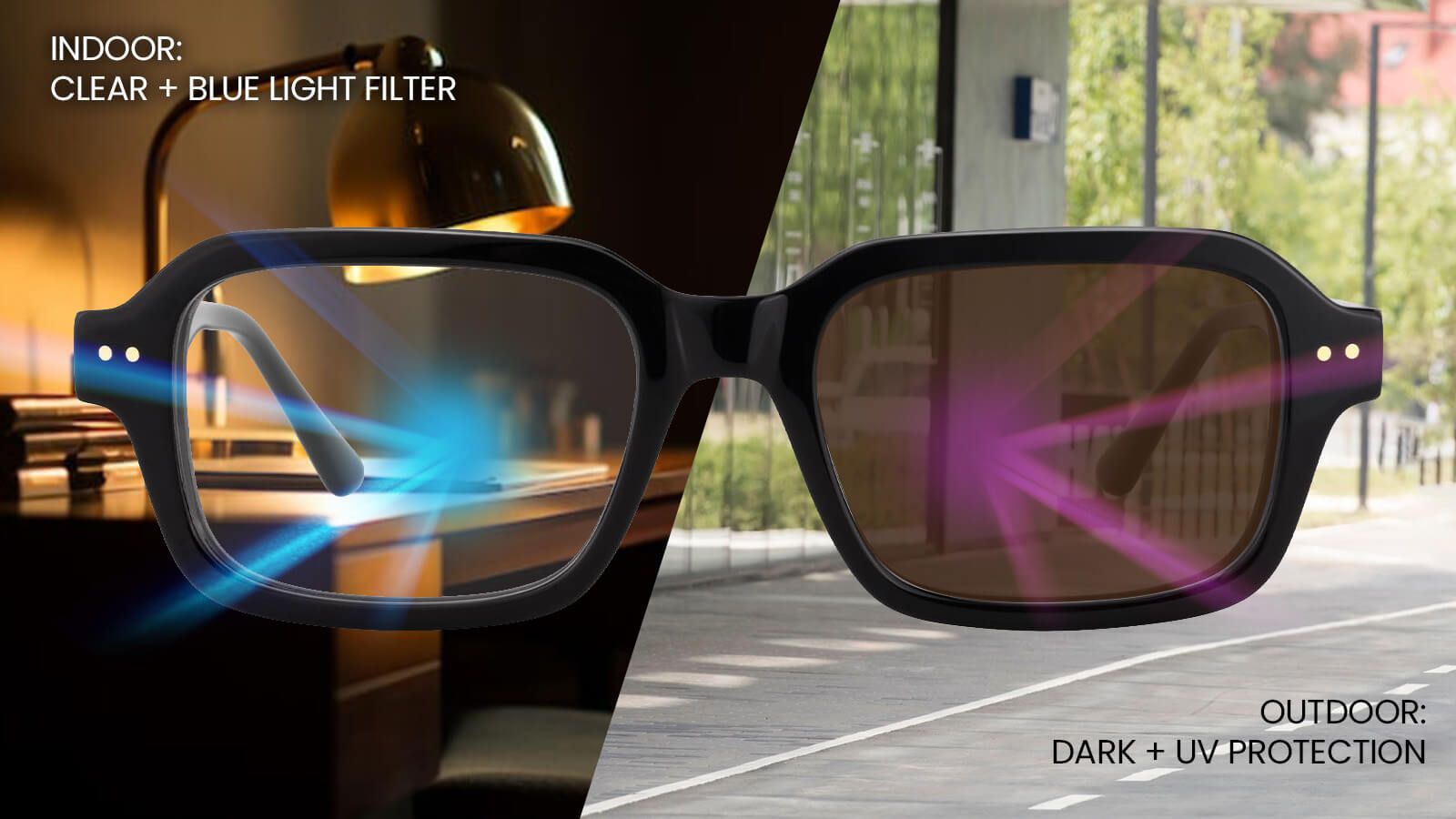
UV Protection vs. Blue Light Glasses: Understanding the Core Differences
July 20,2023

The Ultimate Guide to Modern Trendy Men's Glasses: Top Styles for 2026
March 01,2024
Stylish Reading Glasses: Blending Fashion with Functionality
February 16,2023
Photochromic Lenses 101: How They Work & Why You Need Them
September 22,2023

Brown Eyes: The Beauty of the Most Common Hue
September 01,2024

Best Glasses for Round Faces and Fuller Cheeks
August 02,2023

What are prisms in eyeglasses?
March 20,2023
What Are Bifocal Glasses? The Complete Guide (Types, History & Benefits)
April 14,2023

How to Read Your Eyeglass Prescription?
March 11,2023
The Ultimate Guide to Prescription Sunglasses for Driving
By Vooglam
Share this article

The hardest part of a sunny drive is not always the sun itself. It is the flash of light off wet pavement, the late afternoon glare cutting across the windshield, or that quick moment when your eyes move from the bright road to a darker dashboard. If you wear prescription glasses, switching between clear glasses and regular sunglasses can feel clumsy. That is where prescription driving lenses become useful. This guide explains how to choose the best prescription sunglasses for driving, including polarization, tint color, frame shape, and gradient lenses, so your next commute or road trip feels clearer and more comfortable.
The Science of Safe Driving: Why Standard Sunglasses Are Not Enough
Regular sunglasses can reduce brightness, but driving often needs more than a darker lens. The road throws light back at you from pavement, glass, car hoods, and roadside surfaces. A lens that only makes everything dimmer may not fully solve glare, and if it is too dark, it can make dashboards, signs, or shaded areas harder to read.
For drivers with prescriptions, the ideal pair should combine clear correction with smart light control. The goal is not just shade. It is steady visibility, less squinting, and a lens that helps you read both the road and the details inside the car.
Tackling Glare: The Crucial Role of Polarization
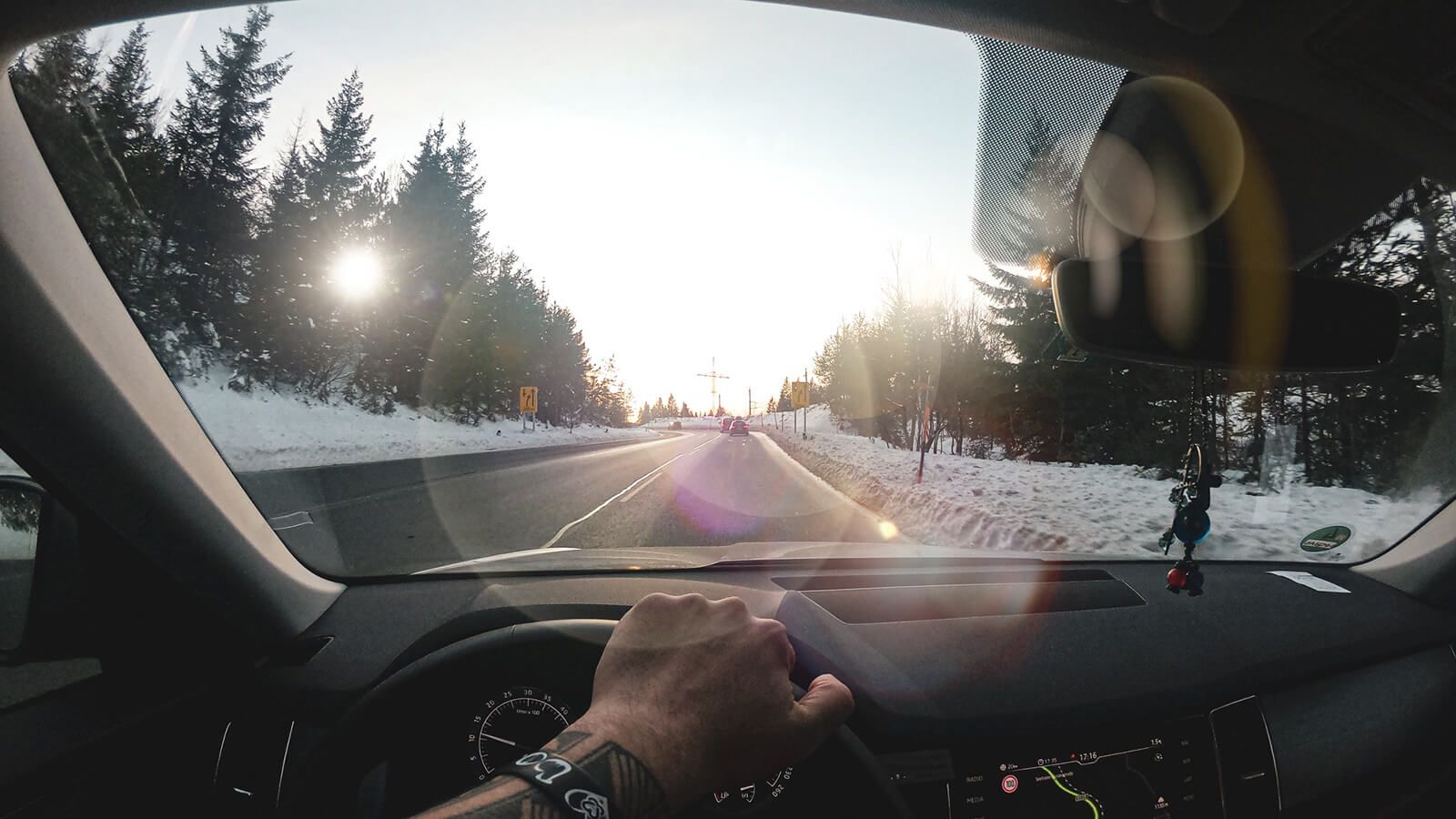
Polarization is one of the most useful upgrades for daytime driving. Polarized lenses are designed to reduce reflected glare, especially light bouncing off flat surfaces like wet roads, windshields, and pavement. That is why polarized driving glasses often feel calmer behind the wheel than basic tinted lenses.
There is one thing to remember. Polarization and UV protection are not the same feature. A polarized lens reduces glare, while UV protection helps protect the eyes from ultraviolet rays. The best driving pair should ideally offer both. Some polarized lenses may also make certain LCD dashboards or car screens look dimmer at specific angles, so it is worth checking how they work with your own vehicle.
Choosing the Best Tint Colors for Behind the Wheel
Tint color changes how the road feels. Some colors boost contrast. Others keep colors more natural. For driving, the best choice depends on the light you face most often: harsh midday sun, wet road glare, low evening light, or long highway stretches.
Amber, Copper, and Brown Tints: Enhancing Road Contrast and Depth Perception
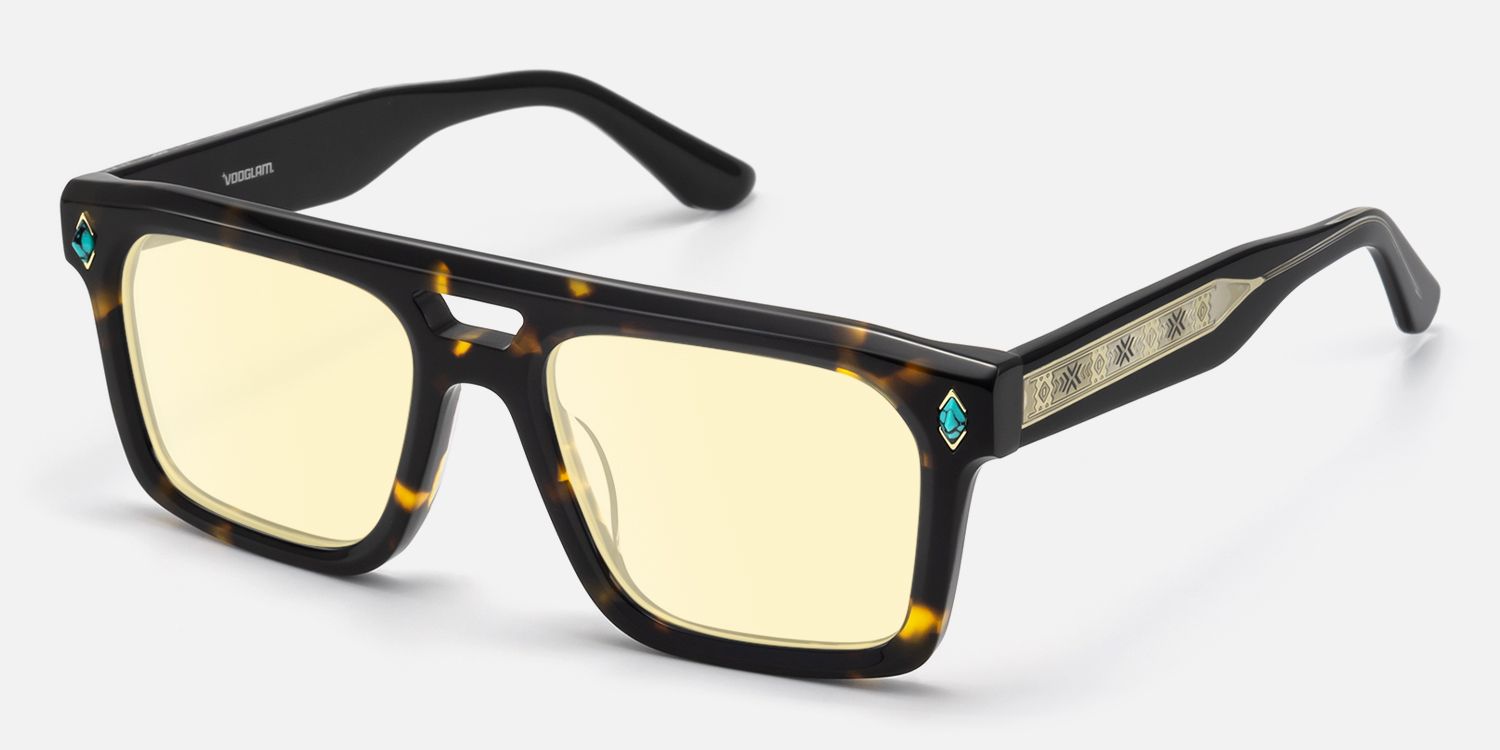
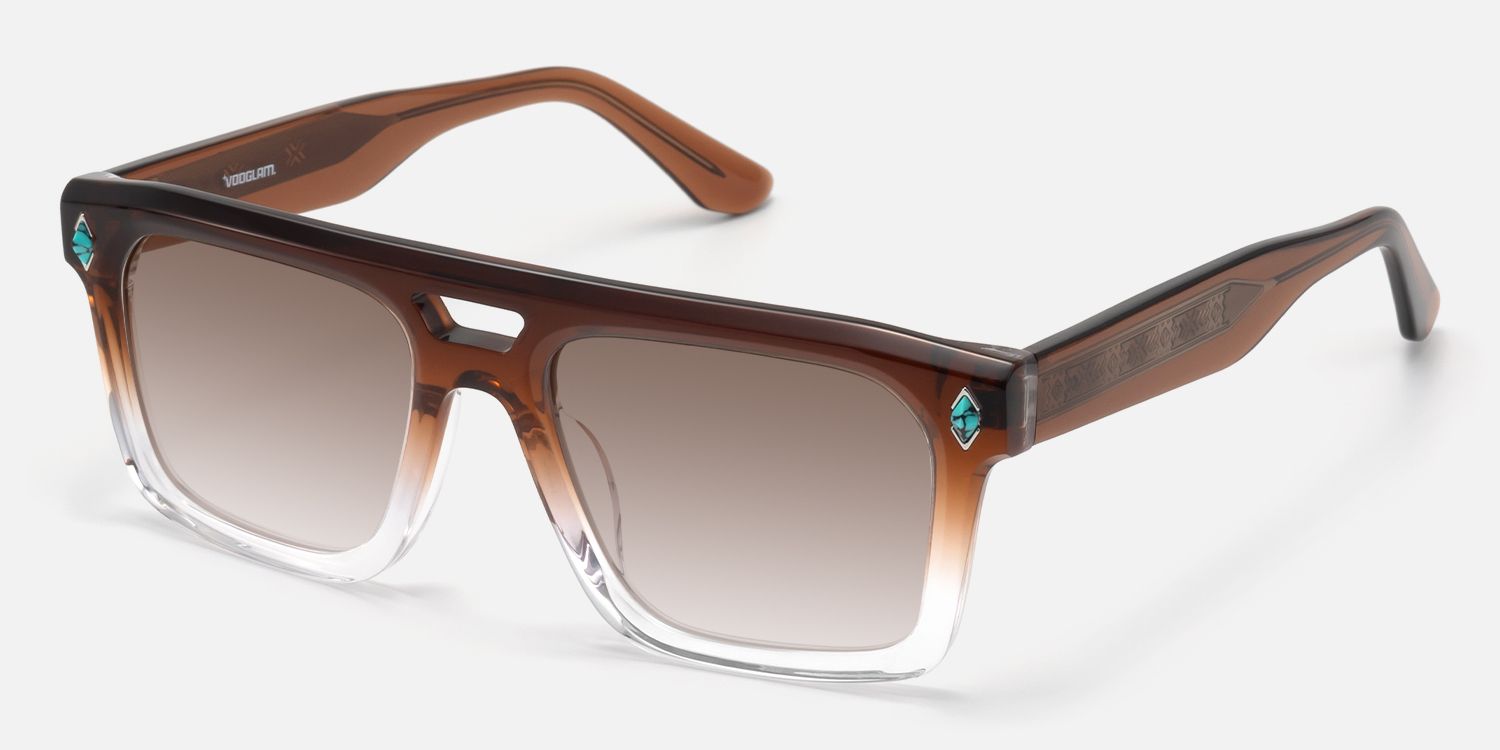
Amber, copper, and brown tints are often strong choices for drivers who want more road contrast. They can make shadows, road texture, and changing light feel easier to read, especially during bright daytime drives or routes with mixed sun and shade.
These colors also add warmth, which can make a long drive feel less visually harsh. For someone who commutes into the sun every morning or drives through open suburban roads, brown or amber anti-glare tinted glasses can feel more supportive than a flat dark lens.
1 / 3
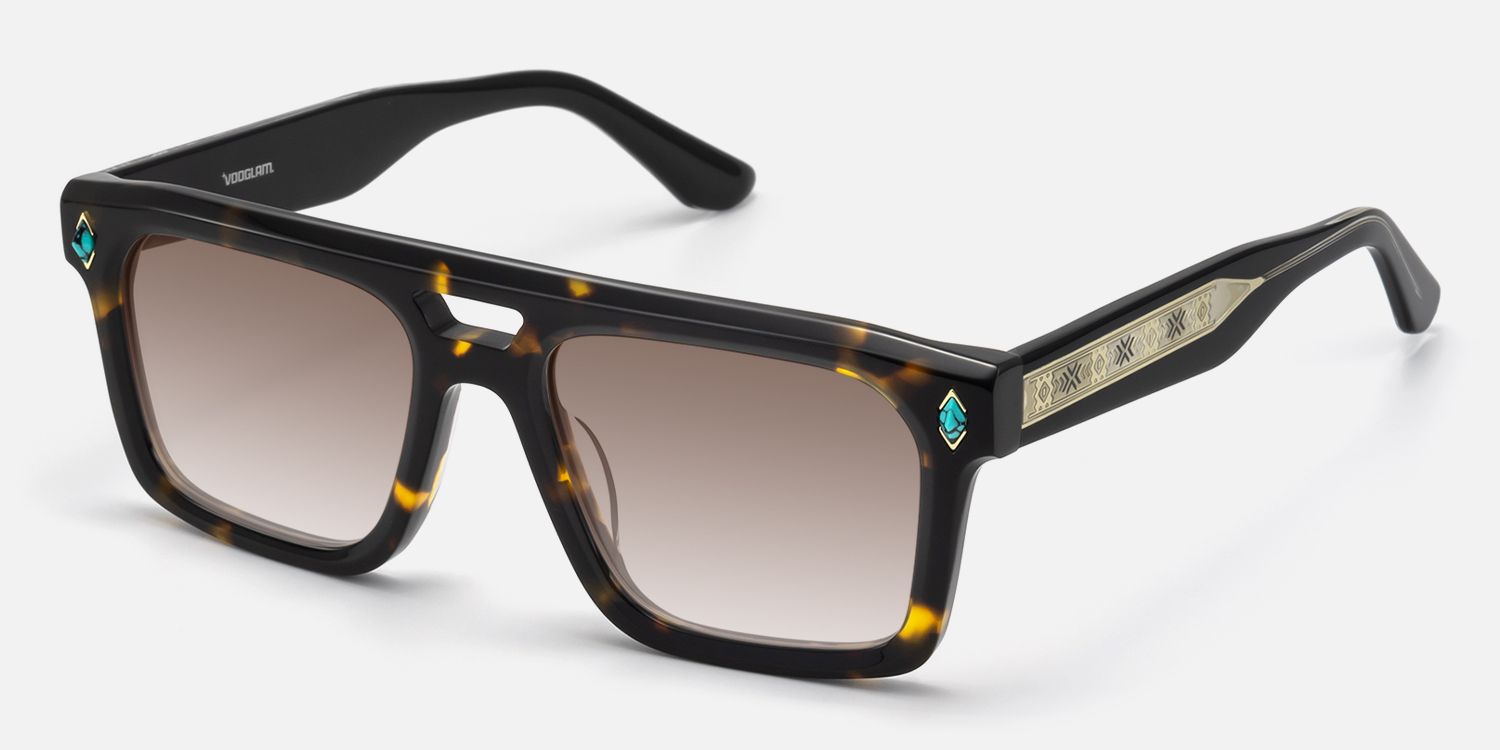
Bastion-Turquoise Deo Aviator Sunglasses (GJGA734154) | Customize Lenses and Tint Your Way >
Grey and Green Tints: True Color Recognition for Traffic Signals
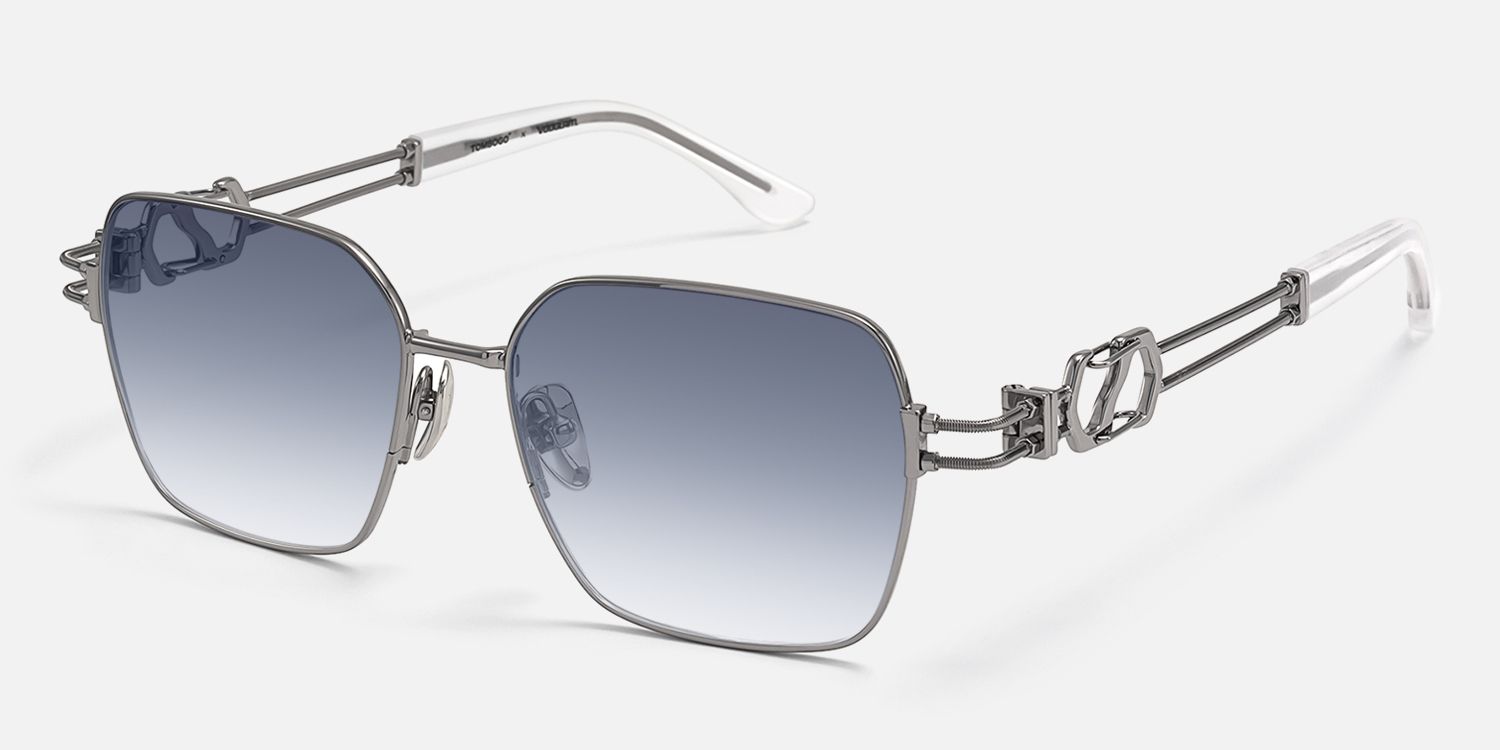
Grey tints are useful when you want brightness control without changing color too much. They keep the view more neutral, which is important when reading traffic lights, brake lights, road signs, and lane markings.
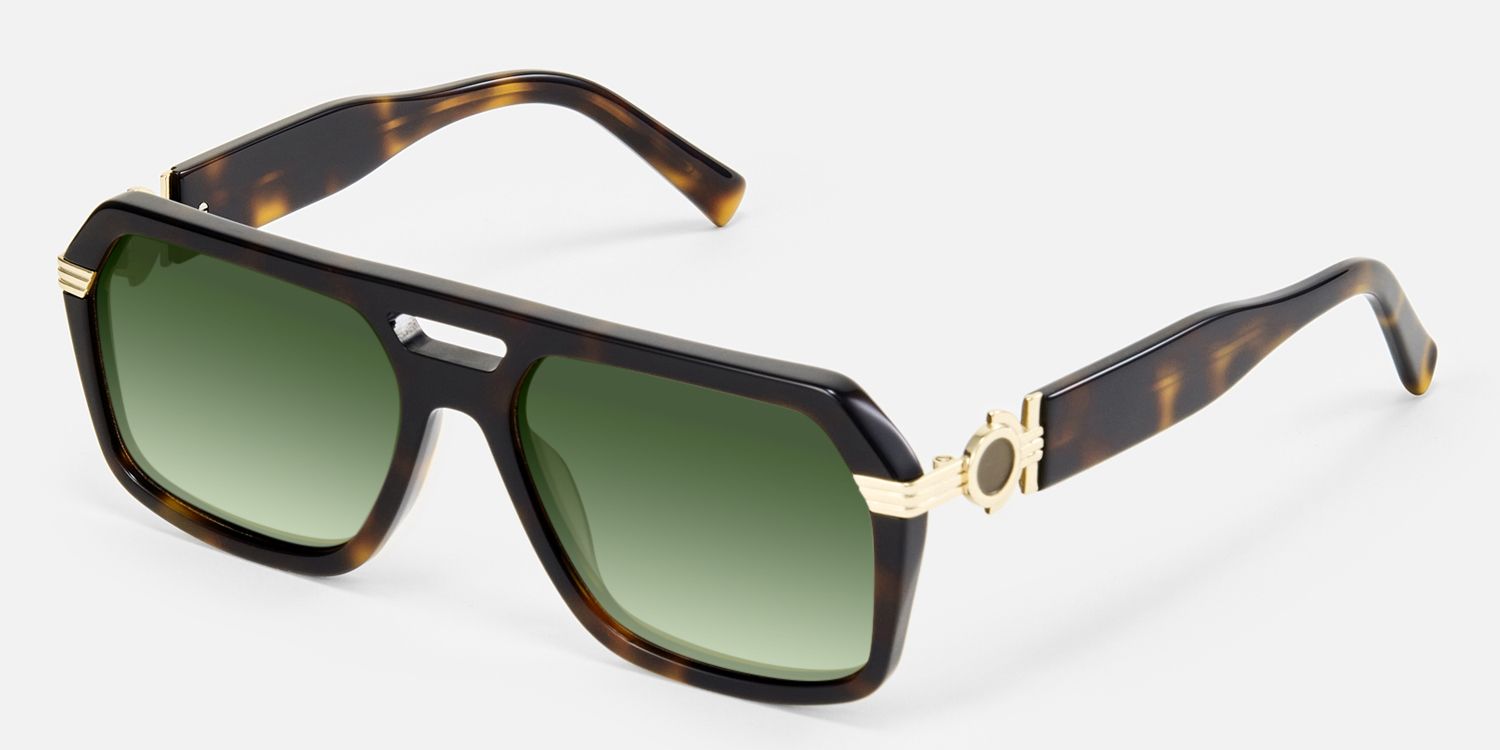
Green tints can also feel balanced. They reduce brightness while keeping the view crisp and comfortable for many wearers. If you care most about true color recognition, grey is usually the safest place to start. If you want a little more softness without a heavy color shift, green can be a good option.
1 / 2
Maverick - Gold Tortoise Aviator Sunglasses (GJTA329648-01-02)>>
The Architect - Gunmetal Gradient Gray Sunglasses (GJGX401899-02-02)>>
Warning: Colors to Avoid While Driving
Not every tint belongs behind the wheel. Extremely dark lenses can make it harder to see shaded areas, tunnels, dashboards, and sudden light changes. Pure blue lenses can also distort color in ways that may not be ideal for traffic signals or road details.
For driving, keep the lens practical first. You can still choose a stylish frame or a warm tint, but the lens should help you read the road clearly. If a tint makes you feel disconnected from traffic signals, screen displays, or pavement detail, it is not the right driving lens.
Frame Selection: Maximizing Peripheral Vision
Lens quality matters, but frame shape matters too. A driving frame should not block your side view or feel distracting when you check mirrors, merge lanes, or scan side streets.
Why Thin Temples and Aviator Styles Work Best for Drivers
Thin temples, slim metal frames, aviator shapes, and larger rimless styles are practical choices because they keep the edge of your vision open. A wide, bulky temple may look bold, but it can feel intrusive when you need quick side awareness.
Vooglam frame options make it easy to keep this balance. A slim metal aviator can give a road trip look without blocking peripheral vision. A larger rimless or semi rimless shape can feel light, open, and clean, especially for drivers who prefer a wider field of view.
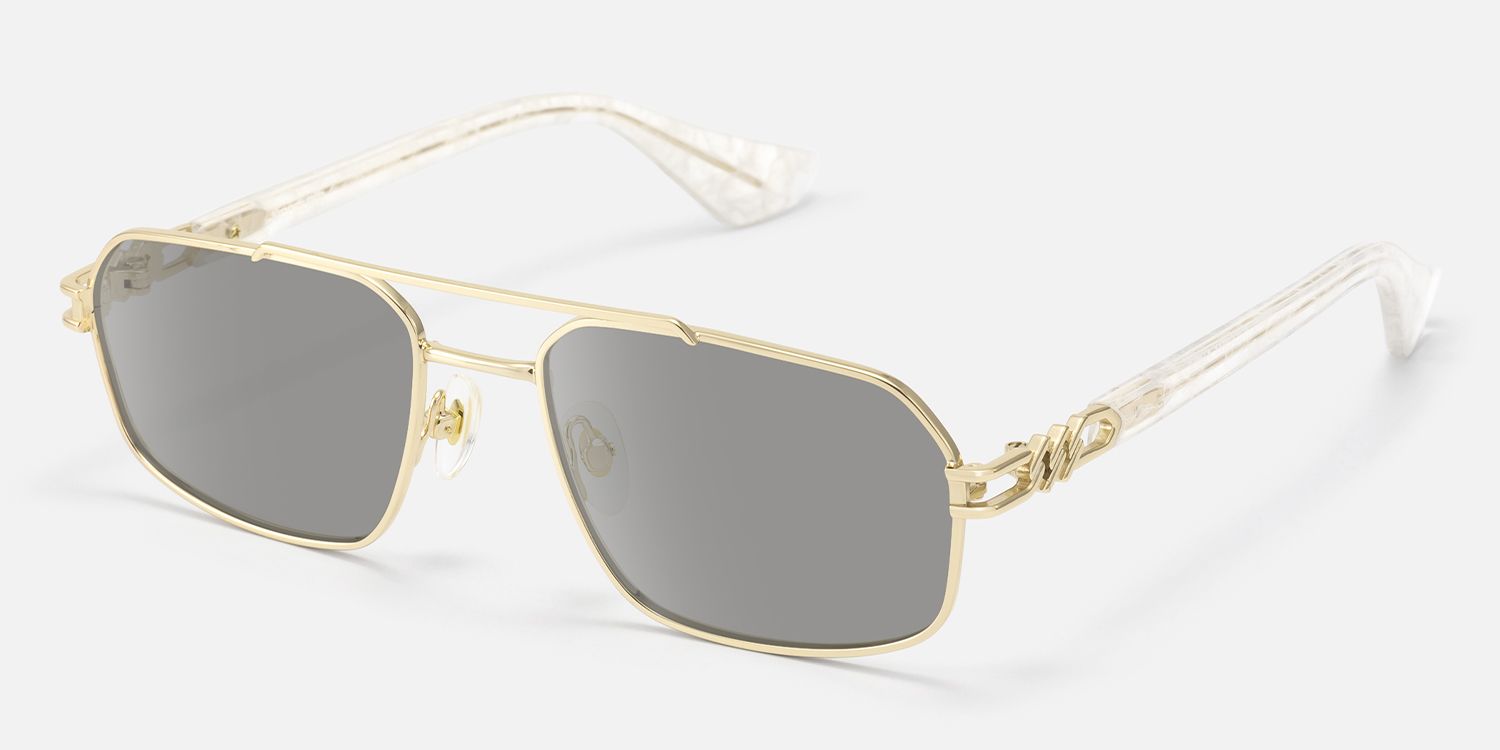
Lacey - Grey Tint Aviator Gold Sunglasses (GJGX449819-02-02)>>
Gradient Lenses: The Perfect Dashboard Solution
Gradient lenses are especially useful for driving because they handle two light zones at once. The top part is darker for sunlight. The bottom part stays lighter for dashboard reading.
Dark on Top for the Sun, Light on Bottom for the Speedometer
Think about a westbound commute at 5:30 p.m. The sun sits low, the road is bright, but your speedometer and center screen are darker. A full dark lens can help with the sun but make the lower view feel too dim. A gradient lens solves that more naturally.
With a darker top and lighter bottom, gradient prescription driving lenses can block overhead glare while keeping the dashboard easier to see when your gaze drops. For drivers who move between open roads, traffic lights, and in car displays, this can be one of the most useful tint designs.
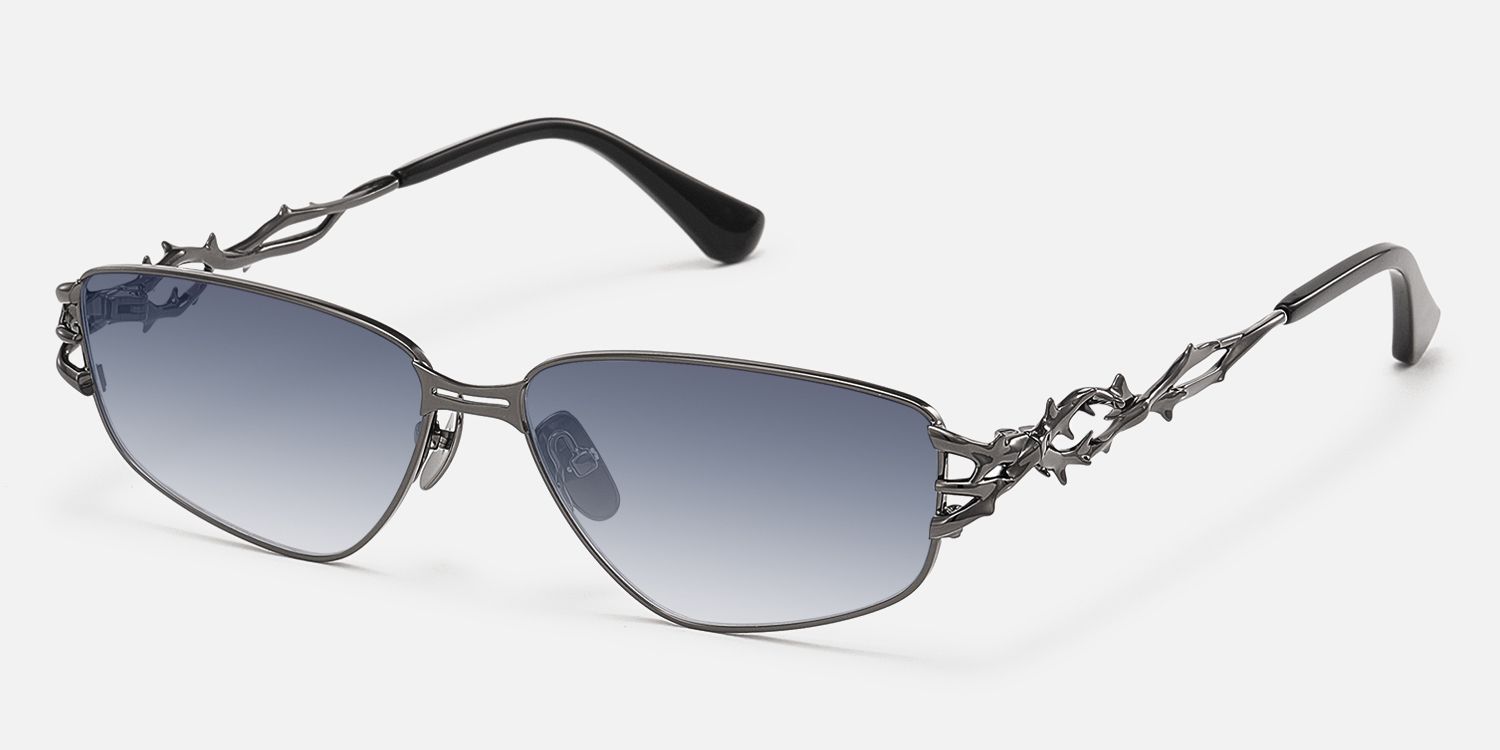
Spine - Geometric Grey Sunglasses (GJGM262927-03-02) >>
Upgrade Your Commute: Customizing Driving Lenses at Vooglam

Start with the drive you actually make. For bright highways and wet road glare, look at polarized options. For better contrast, consider amber, copper, or brown. For true color recognition, grey is a reliable choice. For dashboard visibility, gradient lenses deserve a close look.
Then match the lens to a frame that works behind the wheel. Thin metal frames, aviators, rimless shapes, and semi rimless designs keep the view open while still looking polished. Vooglam lets you bring prescription needs, tint choices, and expressive frame design together, so your driving glasses do not feel like a purely technical item.
Explore Vooglam Color Tint Lab to build prescription driving lenses that fit your route, your prescription, and your style.
FAQ
Are polarized or non polarized lenses better for driving?
Polarized lenses are generally better for daytime driving because they reduce reflected glare from roads, windshields, and wet surfaces. That makes polarized driving glasses especially useful for long commutes, bright highways, and low sun conditions.
The only caution is that some polarized lenses can make LCD dashboards, heads up displays, or car screens appear dim at certain angles. Still, for road glare and daytime safety, polarization is usually the stronger choice.
What is the best lens tint color for driving in bright sunlight?
Copper, amber, brown, and grey are strong choices. Copper and amber can improve contrast and depth perception, which helps with road texture, shadows, and objects ahead. Brown gives similar warmth with an easy everyday feel.
Grey is best when you want stable brightness control and accurate color recognition. It keeps traffic signals and road signs closer to their natural color, which makes it one of the safest tint options for bright sunlight driving.
Can I wear gradient lenses for driving?
Yes. Gradient lenses work well for driving because the darker top helps block sun glare, while the lighter bottom helps you read the dashboard, speedometer, and center screen more easily.
They are especially useful for commuters who deal with low sun, open roads, and frequent glances down at instruments. For many drivers, gradient lenses are a smart middle ground between sun protection and dashboard clarity.
This article is not a substitute for a professional diagnosis.

Vooglam Blog
Vooglam blog shares professional knowledge about eyeglass frames, lenses, etc., and provides help when purchasing and using eyewear products. At the same time, Vooglam focuses on fashion glasses to interpret the trend of glasses for you.