
Bright afternoon sun can turn a normal drive into a squinting contest. At the beach, your regular glasses provide clear sight but do little against the glare. Taking them off is not practical when everything around you becomes blurry.
That is why many glasses wearers ask, are prescription sunglasses worth it? A dedicated pair gives you vision correction, sun protection, and outdoor comfort in one design. Whether you call them rx shades, prescribed shades, or simply a glass with prescription, the purpose is the same. You can see clearly without placing ordinary sunglasses over your optical glasses.
This guide compares prescription sunglasses with contacts, clip ons, and photochromic lenses. It also explains UV protection, polarization, styling, and long term value.

Prescription Sunglasses vs. the Alternatives
When comparing prescription eyeglasses and sunglasses, the best option depends on where you spend your time. Indoor work, long drives, beach trips, and frequent transitions between light conditions all place different demands on your lenses.
Rx Shades vs. Contacts and Regular Sunglasses
Contact lenses worn under ordinary sunglasses can work for short outings. During a long drive or a windy beach day, however, contacts may start to feel dry or uncomfortable. Sand, water, and frequent lens handling can add further inconvenience.
The CDC recommends removing contact lenses before swimming or showering because water exposure may increase the risk of eye infection. A pair of rx shades lets you keep clear vision around the beach or pool without wearing contacts. Prescription swimming goggles should still be used in the water.
For travelers who already pack lens solution, spare contacts, and regular glasses, prescription sunglasses can also simplify the day. Put them on before leaving the hotel and keep your hands away from your eyes.
Prescribed Shades vs. Clip Ons
Clip ons are affordable and useful for occasional sun exposure. Their main drawback is the second layer placed over your normal lenses. Some designs look bulky, move out of position, or produce reflections between the two lens surfaces.
A poorly fitted clip can also rub against the lens coating. Dedicated prescribed shades place the prescription, tint, and optional polarization inside one complete lens. The result looks more intentional and feels less cumbersome.
If you regularly switch between prescription eyeglasses and sunglasses, carrying two complete pairs may feel more convenient than adjusting a clip every time you step outdoors.
A Glass with Prescription vs. Photochromic Lenses
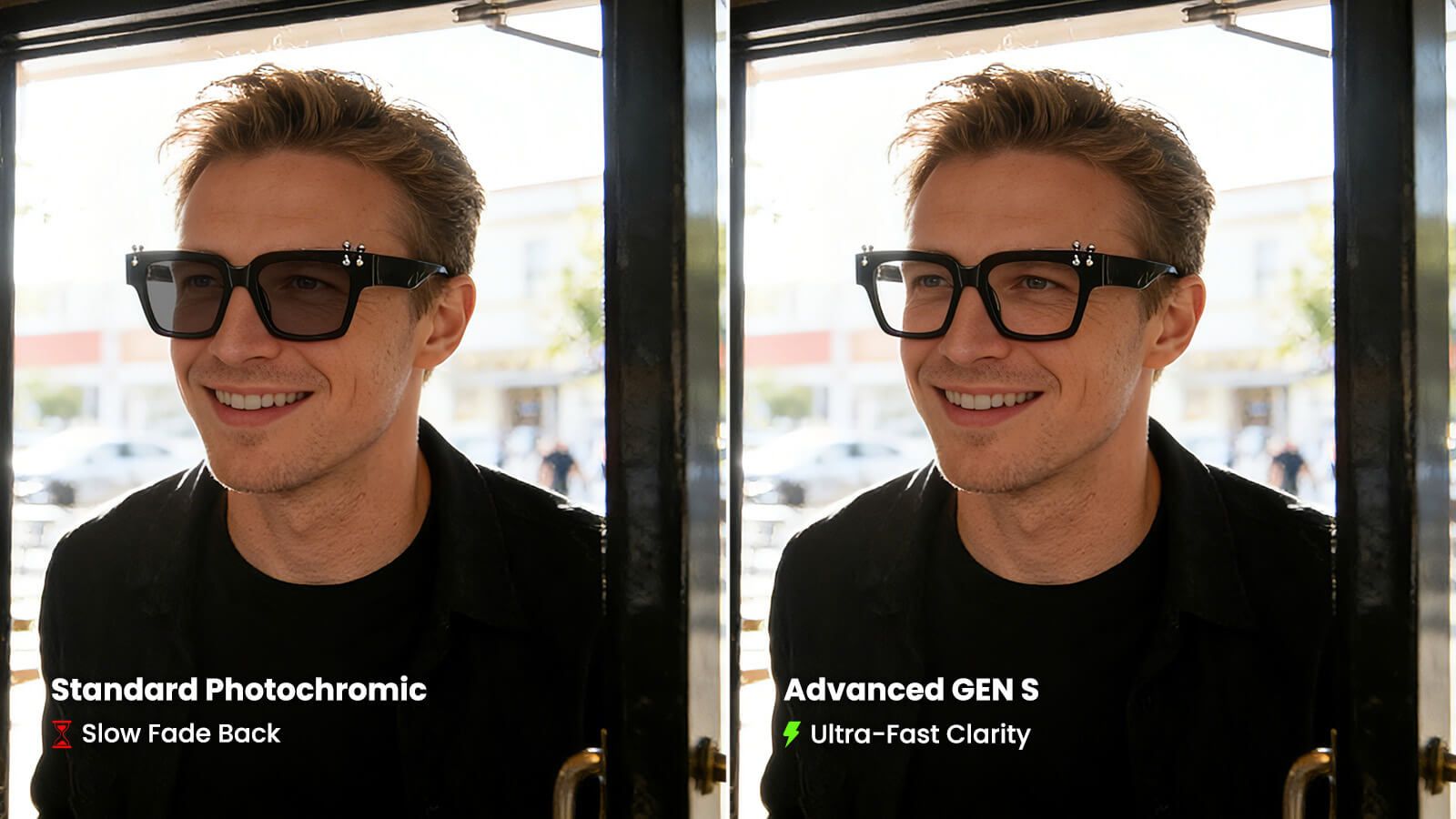
Photochromic lenses are useful for people who move between indoor and outdoor spaces throughout the day. They gradually darken in response to light and return to a clearer state indoors.
Standard photochromic lenses may not become as dark inside a car because the windshield filters much of the UV light that activates them. Some newer lens technologies also react to visible light, so performance varies. Dedicated prescription sunglasses usually provide a more consistent tint for daytime driving, beaches, snow, and long outdoor events.
If you are searching for a glass with prescription that can adapt across many environments, photochromic lenses may suit your routine. If reflected glare and strong sunlight are the main concerns, fixed tint rx shades may be the more focused option.
Why Prescription Sunglasses Are Worth It
The clearest answer to are prescription sunglasses worth it comes from daily use. They remove the need to choose between accurate vision and relief from bright light.
Clear Outdoor Vision Without Compromise
A glass with prescription lenses helps you read road signs, recognize faces, and see distant details while managing outdoor brightness. You do not need to place ordinary sunglasses over your optical pair or accept blurry vision for the sake of shade.
This benefit matters during driving, sightseeing, outdoor dining, concerts, and vacations. It is also why many people keep both prescription eyeglasses and sunglasses in their regular eyewear rotation. One pair supports indoor and low light settings. The other is made for bright outdoor conditions.
Your prescription should be current and accurate. If your vision has changed or you experience persistent eye discomfort, speak with an eye care professional before ordering new lenses.
Polarized Lenses for Roads and Water
Polarized lenses reduce reflected glare from surfaces such as wet roads, car hoods, windows, and water. They can make outdoor details easier to see and reduce the discomfort that often causes squinting.
Polarized prescribed shades are especially useful during daytime driving and waterfront activities. They do not make driving automatically safer, but clearer visual conditions may help you notice road details more comfortably. Some polarized lenses can make digital displays appear darker at certain angles, so check your dashboard and phone before a long trip.
Polarization and UV protection are not the same. Polarization manages reflected visible light. UV protection helps reduce ultraviolet exposure.
UV Protection for Bright Days
The National Eye Institute explains that UV rays can damage the eyes and recommends sunglasses that block 99 to 100 percent of UVA and UVB radiation. Lens color alone does not prove that protection is present.
When choosing prescription sunglasses, look for UV400 or stated UVA and UVB protection. A dark lens without reliable UV protection is not enough.
This is an important distinction when comparing prescription eyeglasses and sunglasses. Clear optical glasses correct your vision, but they may not provide the brightness control needed for extended sun exposure. Quality sun lenses address both needs in one pair.

How to Style Rx Shades for Different Occasions
The practical value of rx shades does not limit your style options. Shape, color, tint, and surface finish can make the eyewear feel personal rather than clinical.
Aviators for Driving and Travel
Aviators offer broad lens coverage with a light visual profile. Gray or green gray lenses keep colors relatively balanced, which makes them suitable for road trips, airport transfers, and bright afternoons.
Slim metal designs work well with linen shirts, tailored separates, and simple monochrome outfits. When comparing different prescribed shades, pay attention to bridge comfort and temple fit. A stylish pair still needs to remain stable when you look down or turn your head.
Cat Eyes and Oversized Shapes
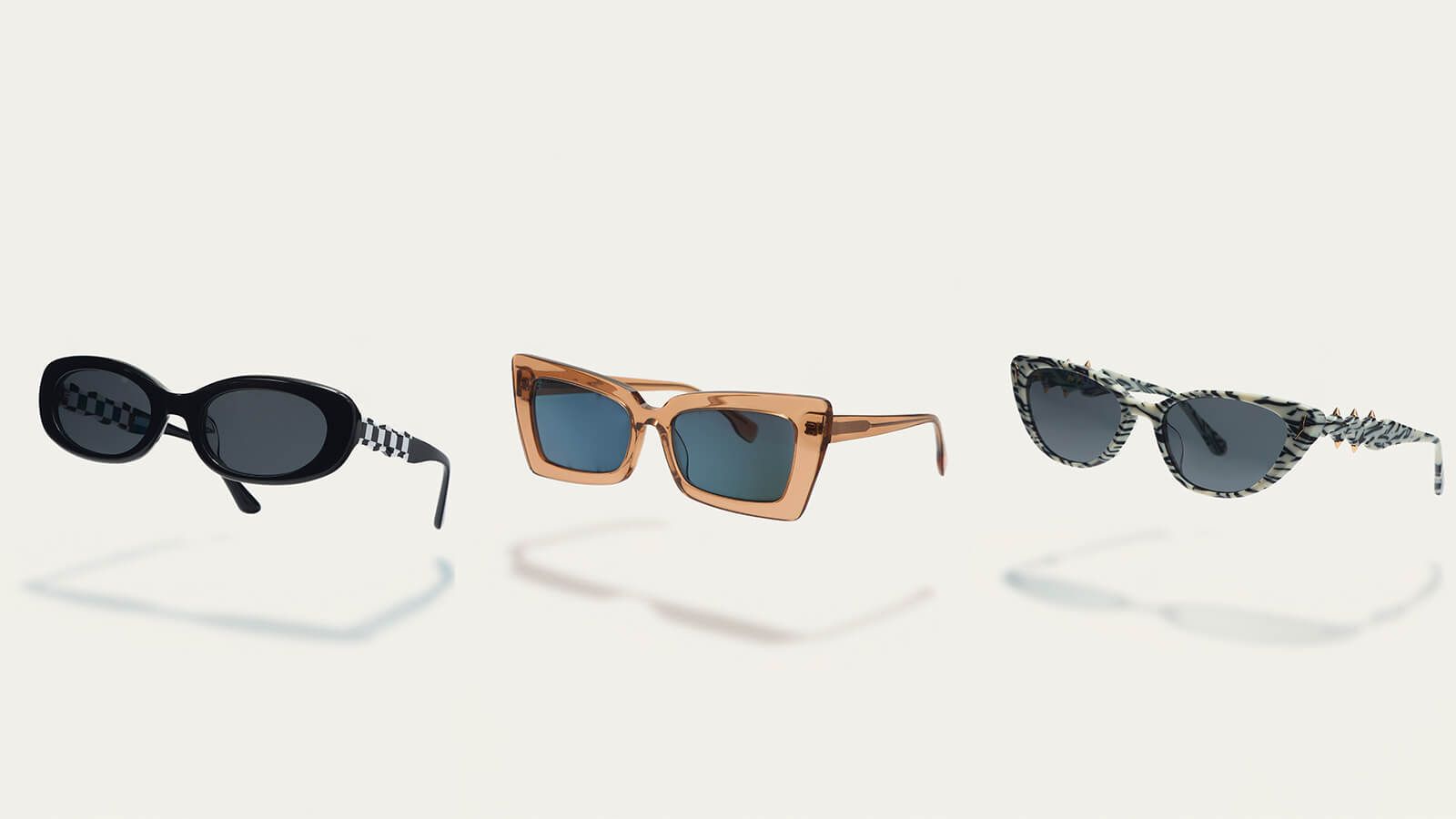
A cat eye adds definition to brunch looks, gallery visits, and outdoor events. A restrained lift feels refined, while a more sculptural silhouette brings stronger artistic expression.
Oversized prescription sunglasses offer generous coverage and visual presence. They work well for beach trips, outdoor dining, and vacations where one accessory can give a simple outfit more character.
Choose the fit carefully. A larger frame should not rest heavily on your cheeks or slide down your nose. Vooglam offers varied shapes, colors, and fit options, making it easier to find expressive sunwear that still feels comfortable.
Lens Colors and Mirrored Coatings
Gray lenses reduce brightness while keeping colors relatively neutral. Brown lenses can increase perceived contrast and bring warmth to the view. Green gray lenses balance natural color with softer contrast.
A mirrored coating adds a reflective finish and can help manage visible brightness. It works particularly well for beaches, festivals, and expressive vacation styling.
If you search for glass with prescription online, review both the frame details and the available lens treatments. The frame carries the visual attitude, while the prescription, tint, UV protection, and polarization determine how the pair performs outdoors.
Why Vooglam Makes Prescription Sunglasses a Smart Value
Cost is one reason shoppers ask, are prescription sunglasses worth it. Traditional optical pricing can rise when the frame, prescription lenses, tint, and polarization are charged separately.
Vooglam uses a DTC model that reduces several traditional retail markups. You can select a frame, enter your prescription, and review available sun lens options through one online process. This keeps the difference between regular prescription eyeglasses and sunglasses more manageable.
Value is also about frequency of use. A pair worn for driving, travel, outdoor lunches, and bright weekends may offer greater value than a cheaper option that remains in its case. Vooglam’s range of artistic shapes and colors also means practical vision correction does not have to look generic.
Delivery speed and lens availability can vary by prescription and customization. Review the current product page and estimated processing time before ordering for a specific trip.
Are Prescription Sunglasses Worth Buying?
For people who rely on vision correction and spend time outdoors, the answer is often yes. Prescription sunglasses provide clear sight, UV protection, and a consistent tint in one complete design. Polarized options can add useful glare control for driving and time near water.
Contacts, clip ons, and photochromic lenses still suit certain routines. Dedicated prescribed shades, however, offer a more integrated answer when outdoor clarity matters. A reliable pair can support visual comfort while giving your summer wardrobe a more personal point of view.
Ready to replace squinting with clearer outdoor vision? Explore Vooglam prescription sunglasses and customize your next pair.
Frequently Asked Questions
Are prescription sunglasses more expensive than regular prescription glasses?
Usually, yes. Prescription sunglasses include vision correction plus a fixed tint or other sun lens treatment. Polarization may increase the price because it adds reflected glare control.
Vooglam’s DTC model reduces traditional retail markups, so the difference between clear glasses and rx shades may be smaller than expected. The final cost depends on the prescription, frame, lens index, tint, and selected features.
Can I use FSA or HSA funds to buy prescription sunglasses?
Eligible prescription sunglasses may qualify as a vision related medical expense because they correct your sight. Nonprescription fashion sunglasses generally do not qualify for the same reason. Plan rules and documentation requirements vary, so confirm eligibility with your FSA or HSA administrator before buying.
For more details, read Are Sunglasses FSA Eligible?. The current IRS Publication 502 includes prescribed eyeglasses under medical expenses. Review IRS Publication 502.
This article provides general eyewear information and is not a substitute for a professional diagnosis.