
Guide to Picking Glasses That Suit Your Face Shape Perfectly
February 27,2023
What is Boho Style? A Comprehensive Guide to Boho-Chic Fashion
February 13,2025

Virtual Glasses Try On - Find Your Perfect Pair Online
April 02,2024
UV Protection vs. Blue Light Glasses: Understanding the Core Differences
July 20,2023

The Ultimate Guide to Modern Trendy Men's Glasses: Top Styles for 2026
March 01,2024
Stylish Reading Glasses: Blending Fashion with Functionality
February 16,2023
Photochromic Lenses 101: How They Work & Why You Need Them
September 22,2023
Brown Eyes: The Beauty of the Most Common Hue
September 01,2024

Best Glasses for Round Faces and Fuller Cheeks
August 02,2023
What are prisms in eyeglasses?
March 20,2023
What Are Bifocal Glasses? The Complete Guide (Types, History & Benefits)
April 14,2023

How to Read Your Eyeglass Prescription?
March 11,2023
How to Remove Scratches from Eyeglasses: Separating Myths from Real Solutions
By Vooglam
Share this article

A scratch across your eyeglasses can turn every screen, streetlight, and page into a distraction. Your first reaction may be to search how to remove scratches from eyeglasses or how to fix scratched glasses with toothpaste, baking soda, or car wax.
Pause before trying them. Modern lenses are precision optical surfaces, not ordinary plastic or household glass. DIY polishing can strip their coatings and leave a cloudy area larger than the original mark. Here is what works, what does not, and when replacement is the safer answer.
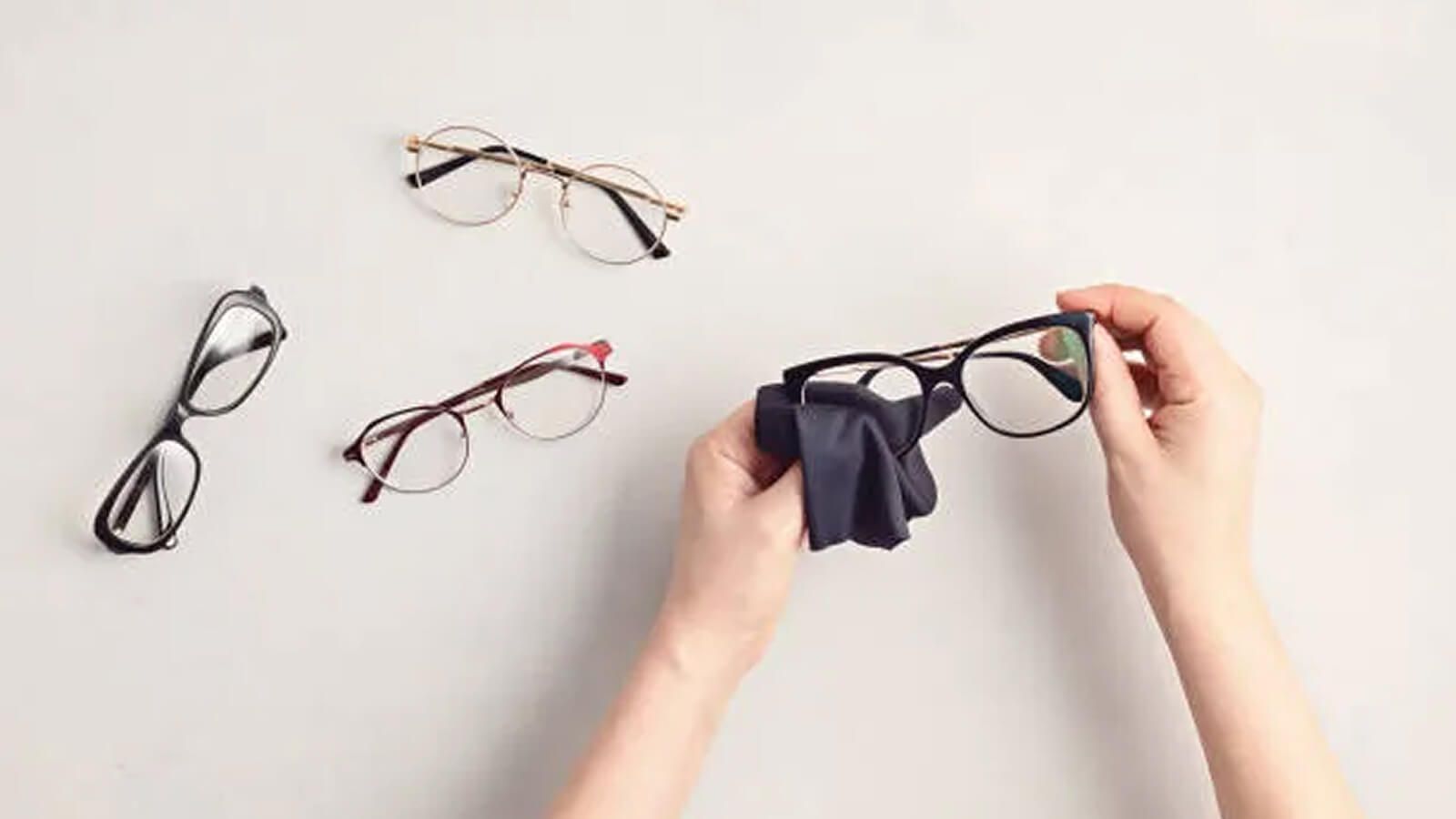
The Truth Behind DIY Hacks: Why They Ruin Modern Lenses
Understanding Your Lens Anatomy
A prescription lens may be made from CR-39, polycarbonate, Trivex, or high-index plastic. Its front and back surfaces are shaped to deliver your exact prescription.
Many lenses also carry thin functional layers, such as anti-reflective, blue light filtering, UV-protective, scratch-resistant, and water- or oil-repellent coatings. A visible scratch may damage one of these layers or cut into the lens material itself.
That is why how to remove scratches from eyeglasses is not the same as removing marks from a window or tabletop. Sanding the surface can alter the lens and destroy its coatings.
Toothpaste and Baking Soda: The Micro-Abrasive Trap
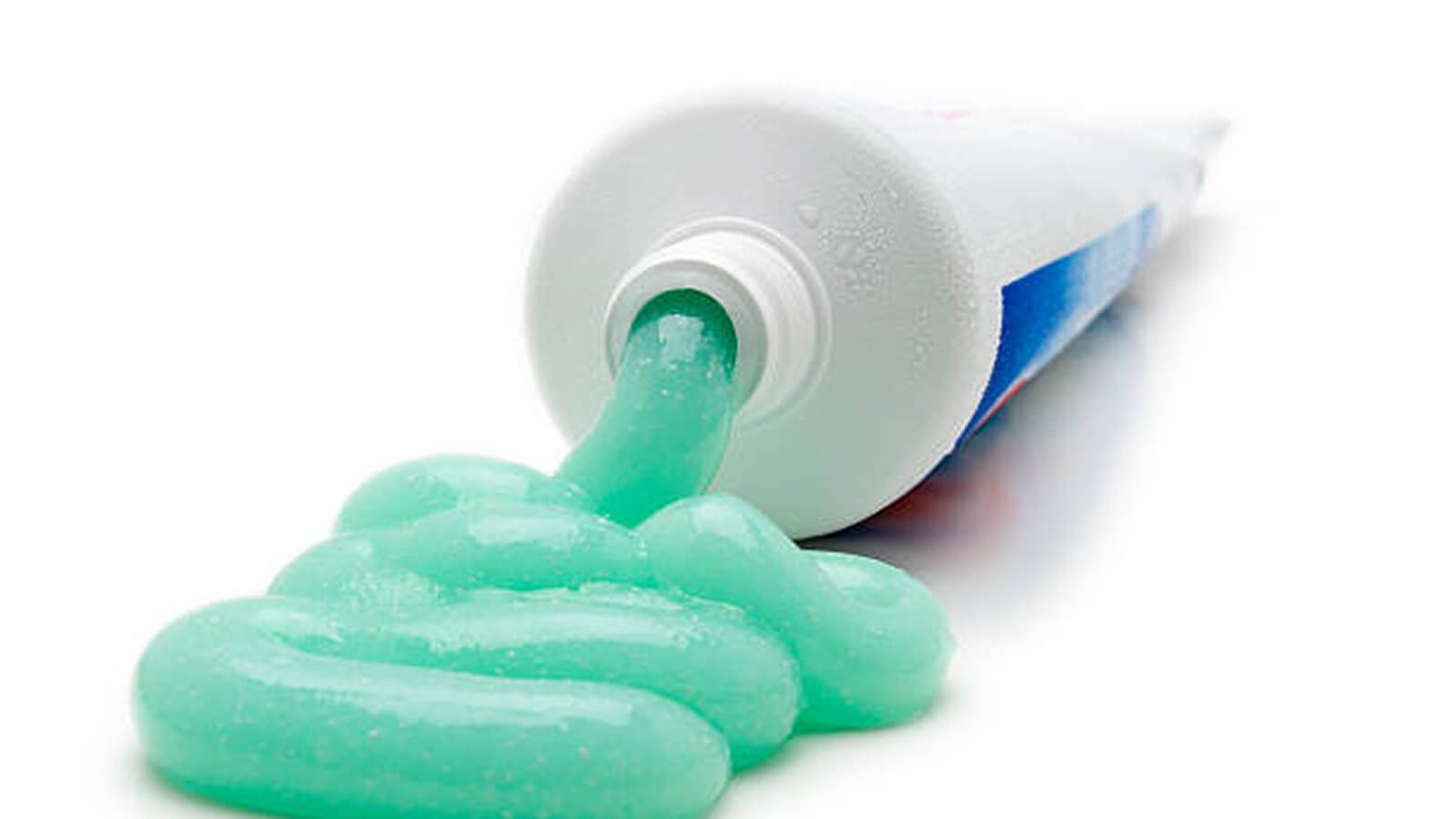
Toothpaste and baking soda appear in countless guides about how to fix scratched glasses. Both can polish some hard household surfaces because they act as mild abrasives.
On coated lenses, however, they do not fill the scratch. They grind down the surrounding surface. This may produce fine swirl marks, strip the anti-reflective coating, or turn one small scratch into a wide cloudy patch.
The original mark may look less noticeable only because the rest of the area has also been damaged. That is abrasion, not repair.
Car Wax and Glass Polish: The Distortion Risk
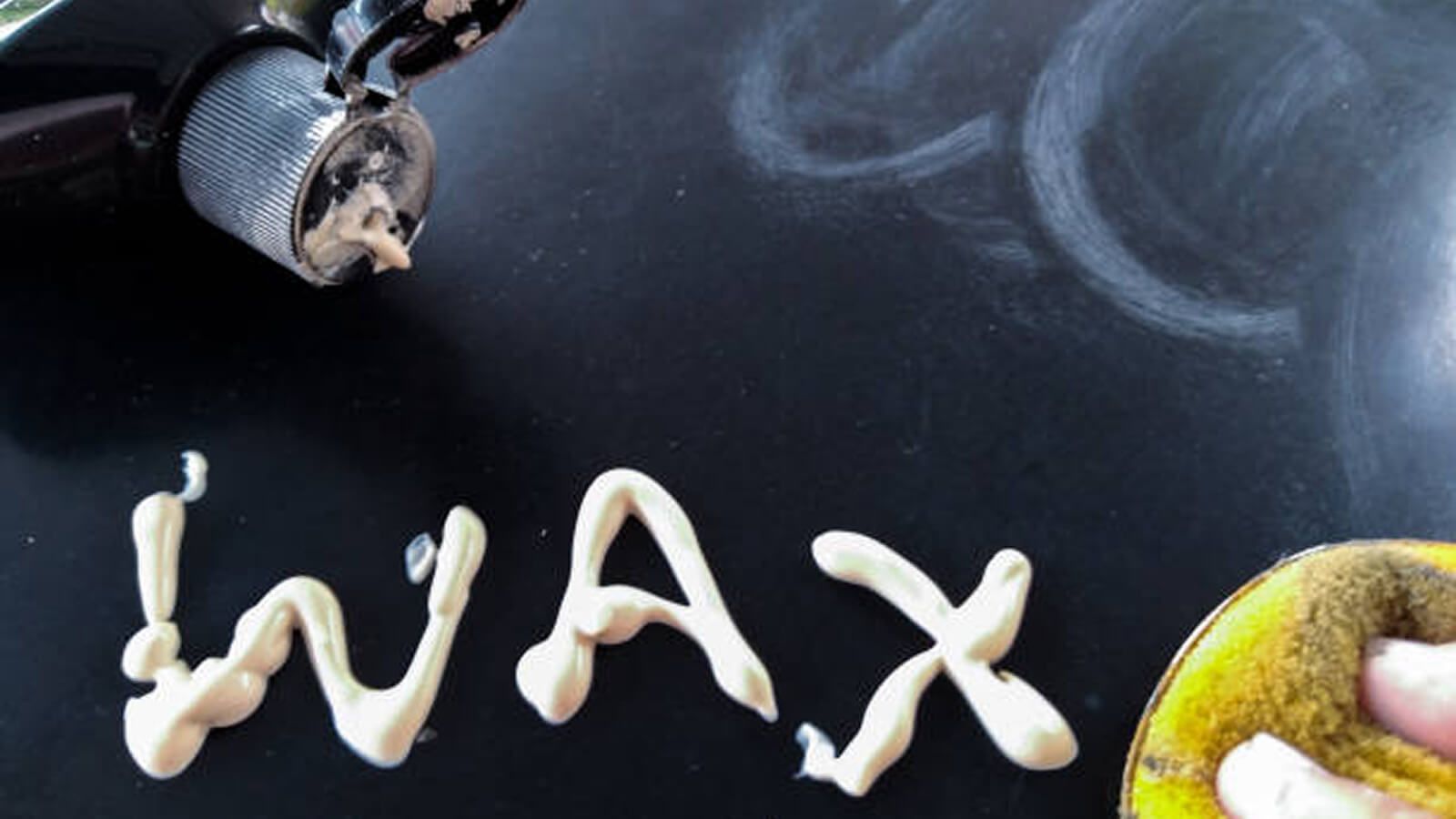
Car wax may temporarily hide shallow marks in paint, but it is not designed for optical lenses. It can leave an oily film, attract dust, and reduce clarity.
A product labeled glass scratch remover or glass scratch repair can be even riskier. Most modern eyeglass lenses are coated plastics, while many polishing products are intended for hard mineral glass.
Removing enough material to level a scratch can change the lens surface and cause localized blur or distortion. It will not make your prescription stronger, but it may make the glasses uncomfortable or unreliable to look through.
The Verdict
Once a scratch enters the coating or lens material, no home treatment can restore the original optical surface. Wax may disguise it briefly, while abrasive polishing removes even more material.
A faint mark near the edge may remain mostly cosmetic. The real question is whether the scratch crosses your central vision, scatters light, or causes discomfort.
Safe and Temporary Steps You Can Take at Home
Is It a Scratch or Just a Smudge?
Fingerprints, makeup, hairspray, dried water spots, and cleaner residue can all resemble scratches.
Hold your glasses under soft light and tilt them slowly. A true scratch usually stays fixed and may catch the light as a fine bright line. Residue often looks uneven or changes as you move the lens.
Do not test the mark with a fingernail. Clean the lens first, then inspect it again.
The Safe Cleaning Protocol
Before searching for another glass scratch remover, try this three-step cleaning method:
- Rinse with lukewarm water. This washes away dust and particles that could scratch the lens during wiping.
- Add one drop of lotion-free dish soap. Use clean fingertips to gently wash both sides. Avoid bleach, ammonia, moisturizers, and abrasive cleaners.
- Rinse and dry with a clean microfiber lens cloth. Never use clothing, tissues, napkins, or paper towels.
This method follows current professional lens-care guidance, which also warns that scratches cannot be polished out of plastic or glass lenses safely.
If the mark disappears, it was residue. If it remains in the same place, it is probably a scratch or coating damage.
When It Is Time to Retire and Replace
Consider replacement when the scratch:
- Crosses your central line of sight
- Causes glare or starbursts
- Reduces clarity or contrast
- Interferes with night driving
- Contributes to headaches or eye fatigue
A scratched lens will not increase your prescription or permanently damage your eyesight. However, scattered light and reduced clarity can make comfortable vision more difficult.
If the coating is peeling or the damage affects driving, stop experimenting with glass scratch repair products and have the lenses inspected.
The Real, Long-Term Solution for Your Eyes
If cleaning confirms the scratch is permanent, replacement is the only reliable solution. You can replace the lenses or compare that cost with a complete new pair.
Option 1: Visit a Local Brick-and-Mortar Store
A local optical store can inspect the damage and check whether your current frame can accept new lenses. This may suit anyone who needs an in-person adjustment or has a complex prescription.
Ask for a complete quote covering the lenses, coatings, fitting, and processing. Store rent, staffing, and local services may be reflected in the final price, so replacing two lenses can sometimes cost nearly as much as a new complete pair.
Option 2: Choose a Professional Online Rx Brand
Online prescription eyewear offers another route when you have current, accurate prescription information.
Step 1: Get a professional eye exam locally. Confirm your SPH, CYL, Axis, ADD, and PD where applicable.
Step 2: Submit your prescription online. Choose a frame, upload or enter your information, and select the appropriate lens type. The optical lab then makes the lenses and fits them into your chosen frame.
Through its DTC model, Vooglam manages frame design, manufacturing, and lens production more directly. This removes several traditional distribution stages while giving you access to complete prescription pairs and multiple lens options.
For your next pair, choose a scratch-resistant coating, but remember that scratch-resistant does not mean scratch-proof. Proper care still matters for clear lenses and scratch-resistant sunglasses alike.
Maximize Your FSA or HSA Funds
Prescription eyeglasses needed for medical reasons are recognized as eligible medical expenses under current U.S. tax guidance. Depending on your plan, you may be able to use FSA or HSA funds and should keep an itemized receipt.
FSA funds are generally subject to “use-it-or-lose-it” rules, although some plans offer a carryover or grace period. HSA balances usually roll over from year to year. Always check your specific plan before ordering.
Clear Vision Deserves a Real Solution
If you are still wondering how to remove scratches from eyeglasses, the answer is simple: a real scratch cannot be safely erased at home.
Toothpaste and baking soda can strip coatings. Wax may cloud the lens. A glass scratch remover can alter the optical surface. None of these methods delivers true glass scratch repair.
Clean the lenses correctly to rule out residue. If the scratch affects central vision, produces glare, or causes discomfort, replace the damaged lens or complete pair.
Skip the risky DIY experiment. Explore Vooglam’s latest eyewear offers and choose a new pair with lens options suited to your prescription.
This article provides general information and is not a substitute for professional diagnosis or an eye exam.
FAQ
Can opticians buff out scratches from prescription glasses?
Usually not. Buffing removes material around the scratch, which can damage the coatings and change the optical surface. Most opticians recommend lens replacement instead.
Will a minor scratch damage my eyesight?
A small scratch will not increase your prescription or permanently damage your eyes. However, one in your central viewing area may scatter light and contribute to glare, headaches, or temporary eye fatigue.
How do I prevent my next pair from getting scratched?
Keep your glasses in a hard case and never place them lens-side down. Rinse off dust before wiping and use a clean microfiber cloth. Choose scratch-resistant coatings for prescription lenses or scratch-resistant sunglasses, while remembering that no lens is completely scratch-proof.

Vooglam Blog
Vooglam blog shares professional knowledge about eyeglass frames, lenses, etc., and provides help when purchasing and using eyewear products. At the same time, Vooglam focuses on fashion glasses to interpret the trend of glasses for you.