
Guide to Picking Glasses That Suit Your Face Shape Perfectly
February 27,2023
What is Boho Style? A Comprehensive Guide to Boho-Chic Fashion
February 13,2025

Virtual Glasses Try On - Find Your Perfect Pair Online
April 02,2024
UV Protection vs. Blue Light Glasses: Understanding the Core Differences
July 20,2023

The Ultimate Guide to Modern Trendy Men's Glasses: Top Styles for 2026
March 01,2024

Stylish Reading Glasses: Blending Fashion with Functionality
February 16,2023
Photochromic Lenses 101: How They Work & Why You Need Them
September 22,2023

Brown Eyes: The Beauty of the Most Common Hue
September 01,2024

Best Glasses for Round Faces and Fuller Cheeks
August 02,2023

What are prisms in eyeglasses?
March 20,2023
What Are Bifocal Glasses? The Complete Guide (Types, History & Benefits)
April 14,2023
How to Read Your Eyeglass Prescription?
March 11,2023
How to Clean Eyeglasses Correctly: Safe Tips for Rx & Blue Light Lenses
By Vooglam
Share this article

Have you ever cleaned your glasses only to find that the lenses look even cloudier? Perhaps you have also noticed fine scratches, peeling areas, or a faint web-like pattern across the surface. In many cases, the problem is not how often you clean your glasses, but how you clean them.
Modern Rx glasses, blue light glasses, and computer glasses may include anti-reflective, scratch-resistant, or light-filtering treatments. Dry wiping with a shirt or using an unsuitable household cleaner can gradually damage these surfaces.
If you want to know how to clean eyeglasses without leaving streaks or harming the lenses, this guide covers the right tools, a safe step-by-step method, common mistakes, and simple habits that keep glasses clearer throughout the day.
Do’s & Don’ts: Eyeglass Cleaning Cheatsheet
The best way to clean eyeglass lenses is to rinse away loose particles before touching the surface. Then use a lens-safe cleaner and as little pressure as possible.
| Cleaning Area | Do | Don’t |
| Wiping tool | Use a clean microfiber cloth made for optical lenses. | Do not use tissues, paper towels, ordinary wet wipes, shirt hems, scarves, or ties. |
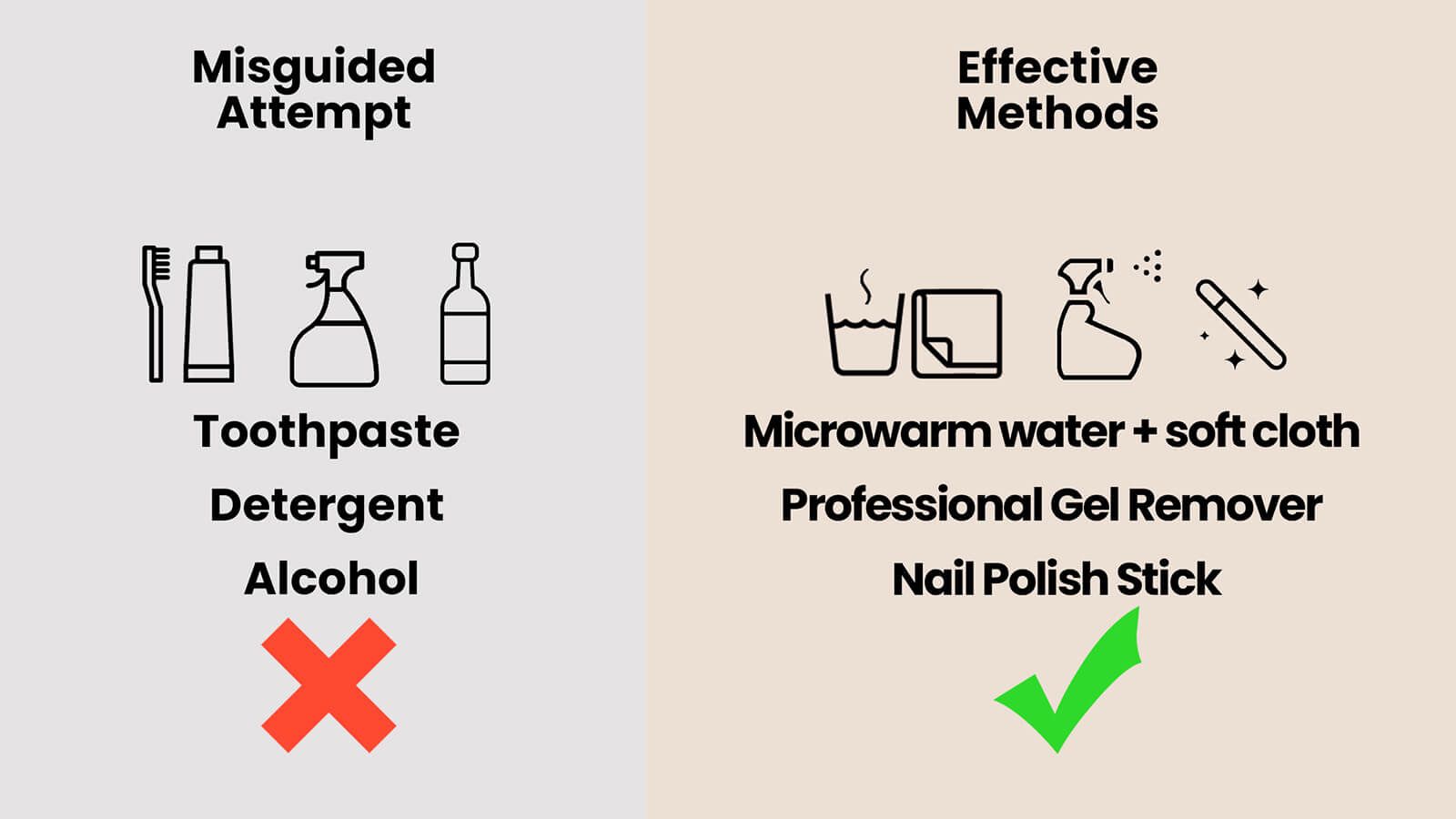
| Cleaning solution | Use a pH-neutral eyeglass spray or a tiny drop of mild, lotion-free dishwashing liquid. | Avoid glass cleaner, ammonia, vinegar, bleach, acetone, citrus-based cleaners, and household disinfectants. |
| Water temperature | Use cool or lukewarm running water. | Do not use hot water, which may affect some lens coatings and frame materials. |
| Drying method | Shake off large droplets, then blot and gently dry with a clean microfiber cloth. | Do not scrub hard or repeatedly polish a dry, dusty lens. |
| Daily storage | Keep glasses in a hard case. When setting them down outside the case, place the lenses facing upward. | Never place the lenses directly against a desk, counter, or other hard surface. |
Lens materials and coatings vary. If your optician or lens manufacturer provides specific care instructions, follow those directions first.
Step-by-Step: The Safest Way to Clean Your Glasses
Learning how to clean Rx glasses does not require expensive equipment. Clean hands, lukewarm water, a mild cleaner, and a clean microfiber cloth are usually enough.
Vooglam’s guide to cleaning eyeglasses also recommends rinsing away dust before cleaning the lenses with a small amount of lotion-free dishwashing liquid.
Step 1: Wash Your Hands First
Before touching your glasses, wash your hands to remove oil, dust, makeup, and skincare residue. Otherwise, your fingertips may transfer new smudges to the lenses while you are trying to clean them.
Use a soap that rinses clean and does not contain heavy moisturizers. Dry your hands with a clean, lint-free towel and check that no grit remains on your fingertips.
When possible, hold the glasses by the bridge or temples instead of gripping the lenses directly. This reduces fingerprints and keeps the cleaning process under control.
Step 2: Rinse Under Lukewarm Water
Hold your glasses under a gentle stream of cool or lukewarm tap water. Allow the water to run over both sides of each lens before rubbing the surface.
This is one of the most important steps in how to clean eyeglasses. Dust, sand, and dried debris may become trapped between the lens and the cleaning cloth. If you begin wiping immediately, those particles can drag across the surface and leave fine scratches.
Running water removes much of the loose debris before pressure is applied. Avoid hot water, since excessive heat may affect certain lens coatings, plastic frames, and adhesives.
Step 3: Apply a Drop of Neutral Cleaning Solution
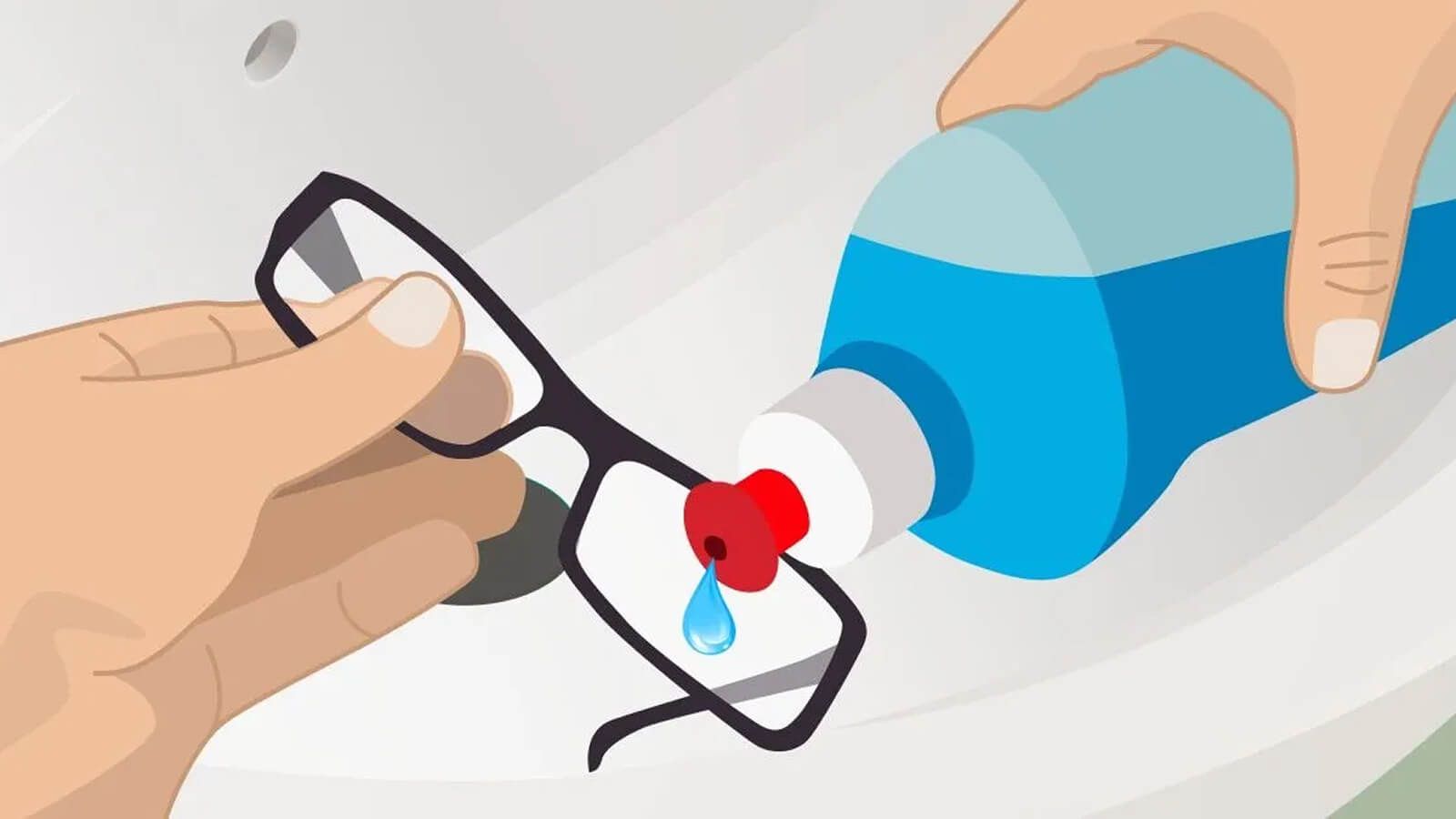
Apply a tiny drop of mild, lotion-free dishwashing liquid to your clean fingertips. You can also use an eyeglass cleaning spray clearly labeled as safe for coated lenses.
Gently spread the cleaner across both sides of each lens using light circular motions with your fingertips. This helps loosen fingerprints, facial oil, makeup, and skincare residue that water alone may not remove.
The same method works when learning how to clean blue light glasses or computer glasses. However, avoid dish soaps containing lotion, citrus extracts, abrasive particles, or strong degreasing additives. More soap does not mean cleaner lenses; it usually creates more residue to rinse away.
Step 4: Don’t Forget the Nose Pads & Hinges
The lenses are not the only areas that collect oil. Nose pads, the bridge, temples, and hinge areas regularly come into contact with skin, sweat, makeup, and hair products.
Clean accessible frame surfaces gently with your fingertips. Pay special attention to the nose pads, since accumulated oil can make the glasses slide. Hold the section you are cleaning so you do not twist or bend the frame.
Rinse these areas carefully and dry them thoroughly. If dirt is trapped inside a hinge, beneath the lens rim, or around a delicate decoration, take the glasses to an optician rather than trying to take the frame apart yourself.
Step 5: Dry with a Clean Microfiber Cloth
Rinse the glasses again under running water until all cleaner has been removed. Soap residue can leave streaks or cloudy patches, even when the lenses are no longer dirty.
Gently shake off the largest water droplets. Use a clean microfiber cloth to blot the remaining moisture, then finish drying with light strokes. Blotting first reduces the amount of rubbing needed.
Inspect the lenses under a light. If streaks remain, rinse them again instead of pressing harder with the cloth. This rinse-and-blot method is often the best way to clean eyeglass lenses with oily fingerprints or visible dust.
3 Common Cleaning Mistakes That Ruin Blue Light Lenses
Knowing how to clean anti-reflective coating glasses also means knowing which shortcuts to avoid. The following habits may seem convenient, but repeated use can leave permanent damage.
1. Wiping the Lenses with Your Shirt
A shirt may feel soft, but it is not necessarily clean. Clothing can carry dust, skin oil, and tiny particles collected throughout the day. When you rub the fabric against a dry lens, those particles may act like abrasives.
Tissues and paper towels can create a similar problem. They may leave lint behind and are not designed for cleaning precision optical surfaces.
If your lenses have visible dust or grit, rinse them first. Even a microfiber cloth should be clean and free from trapped particles before it touches the lens.
2. Washing Glasses with Hot Water
Hot water will not clean glasses more effectively than lukewarm water. It simply exposes the lenses and frame to unnecessary heat.
Modern lenses may include several surface treatments, including anti-reflective or scratch-resistant coatings. Excessive heat and sudden temperature changes may place stress on these layers or affect some plastic frame materials.
Use cool or lukewarm water for Rx glasses, blue light glasses, and computer glasses. You should also avoid leaving glasses on a hot car dashboard, near a heater, or in other high-temperature environments.
3. Using Household Chemicals
Window cleaner is designed for windows, not eyeglass lenses. Household products may contain ammonia, bleach, strong alcohol concentrations, acids, fragrances, or aggressive degreasers that are unsuitable for certain lens coatings.
Vinegar and citrus cleaners should not be treated as safe alternatives simply because they are common household ingredients. Their acidity and other additives may affect coated lenses or frame finishes.
Use an eyeglass cleaner clearly labeled for optical lenses. If you need to clean your glasses away from home, choose individually packaged wipes specifically marked as safe for coated eyeglasses rather than general cleaning wipes.
How to Keep Your Lenses Clear All Day
Cleaning your glasses correctly is important, but preventing fingerprints and oil buildup can reduce how often the lenses need to be wiped.
Clean Your Microfiber Cloth Regularly
A microfiber cloth absorbs facial oil and cleaning residue every time it touches your glasses. Once it becomes dirty, it may spread grease across the lenses instead of removing it.
Wash the cloth about once a week, or sooner if it looks or feels oily. Use lukewarm water with a tiny amount of mild, lotion-free soap. Rinse thoroughly and let the cloth air-dry.
Avoid fabric softener, bleach, and dryer sheets. These products can leave residue on the fibers and transfer it back to your lenses.
Carry Lens-Safe Cleaning Wipes
Individually packaged optical wipes are useful when you are at work, traveling, or away from running water. Check that the packaging says the wipes are safe for coated eyeglass lenses.
Do not use ordinary antibacterial wipes, makeup wipes, or household cleaning wipes. If sand or visible grit is present, avoid wiping until you can rinse the lenses properly.
Pick Up Glasses by the Temples
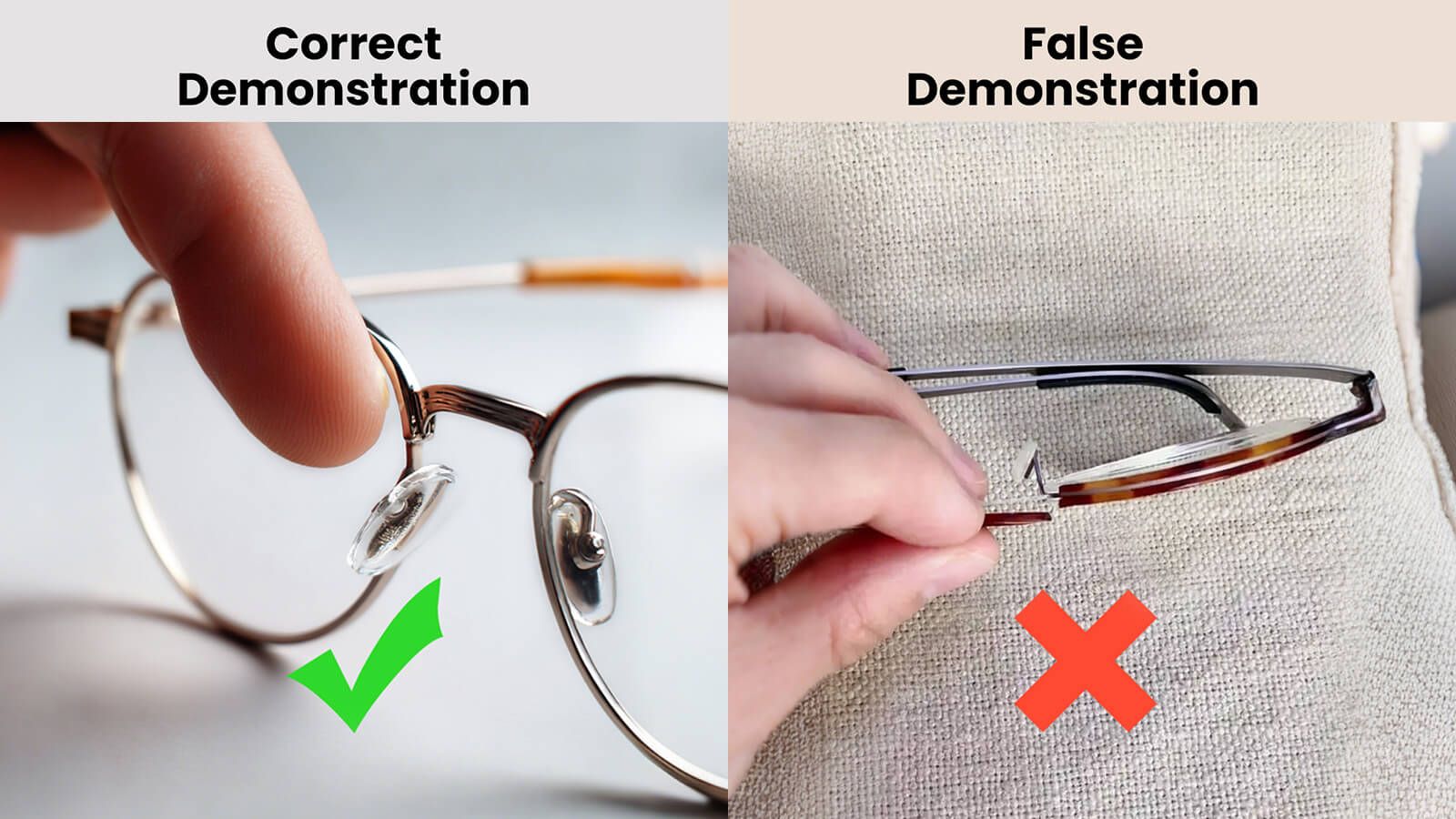
Grabbing the lenses directly creates fingerprints and may place uneven pressure on the frame. Instead, hold both temples when putting your glasses on or taking them off.
Using both hands also reduces stress on the hinges. When the glasses are not being worn, place them in a clean hard case rather than leaving them loose in a bag with keys, cosmetics, or other hard objects.
Conclusion: Clean Lenses Without Damaging the Coating
The safest answer to how to clean eyeglasses is also the simplest: wash your hands, rinse away loose particles, apply a tiny amount of lens-safe cleaner, rinse again, and dry with a clean microfiber cloth.
This routine is suitable for most Rx glasses, blue light glasses, and computer glasses, including lenses with anti-reflective treatments. Avoid hot water, dirty clothing, paper products, and household chemicals.
Proper care cannot remove an existing scratch or repair peeling coatings, but it can help maintain clear vision and extend the useful life of your glasses. For more care information, explore Vooglam’s eyeglass cleaning tips.
FAQ
Q1: How do I remove stubborn hairspray or perfume overspray from my lenses?
Do not scrape the residue with your fingernail. Rinse the lenses under lukewarm water, then place a tiny drop of mild, lotion-free dishwashing liquid on a clean fingertip.
Gently move your fingertip over the affected area until the residue begins to loosen. Rinse the lenses thoroughly and blot them dry with a clean microfiber cloth.
If the residue remains, take the glasses to an optician. Repeated scrubbing or using a strong solvent may damage the lens coating.
Q2: What should I do if my microfiber cleaning cloth gets dirty?
Wash the cloth separately in lukewarm water with a small amount of mild, lotion-free soap. Rinse it until no soap remains, then let it air-dry completely.
Do not use facial cleanser, moisturizing hand soap, fabric softener, bleach, or dryer sheets. Once dry, store the cloth in a clean case or sealed pouch so it does not collect dust inside your bag.

Vooglam Blog
Vooglam blog shares professional knowledge about eyeglass frames, lenses, etc., and provides help when purchasing and using eyewear products. At the same time, Vooglam focuses on fashion glasses to interpret the trend of glasses for you.

The Funnel-Neck Dilemma: How to Prevents Facial Crowding with Oversized Coats and Layered Knits

Vooglam
Solves autumn/winter facial crowding caused by funnel-neck coats and turtleneck knits using Vooglam high-bridge, double-bridge aviators, lightweight TR90, and champagne acetate frames.
September 16,2026
Time for a Spec Refresh? The Ultimate Guide to Upgrading Your Glasses Online
Vooglam
Your glasses may still help you read the screen, but that does not mean they still perform well. Fine scratches, peeling coatings, a frame that keeps sliding, or a prescription designed for your life
August 27,2026
5 Eyewear Mistakes Making You Look Tired, Older, or Unprofessional (And How to Fix Them)
Vooglam
The wrong glasses do more than weaken an outfit. A heavy frame can hide your expression, the wrong lens can add bulk, and a poor functional choice can leave you squinting through work or a drive.Many
August 17,2026
What's in a Modern Work Bag? 6 Happiness-Boosting Essentials for the Everyday Professional
Vooglam
Your work bag carries more than a laptop. On a busy morning, it holds the small things that help you feel prepared, comfortable, and a little more like yourself.If you have ever searched what's in my
August 06,2026