
When you hear “plastic frames,” you may picture something cheap, rigid, or easy to break. Modern plastic eyeglass frames, however, tell a very different story.
Advanced materials such as TR90, flexible nylon, resin, and cellulose acetate can create frames that feel light, handle everyday movement, and offer far more freedom in color and pattern. Some prioritize flexibility and long-wear comfort. Others stand out through glossy finishes and layered tones.
So, what are the real advantages of plastic eyeglass frames? This guide explains how each material performs, which benefits matter most, and how to choose the right option for your routine.
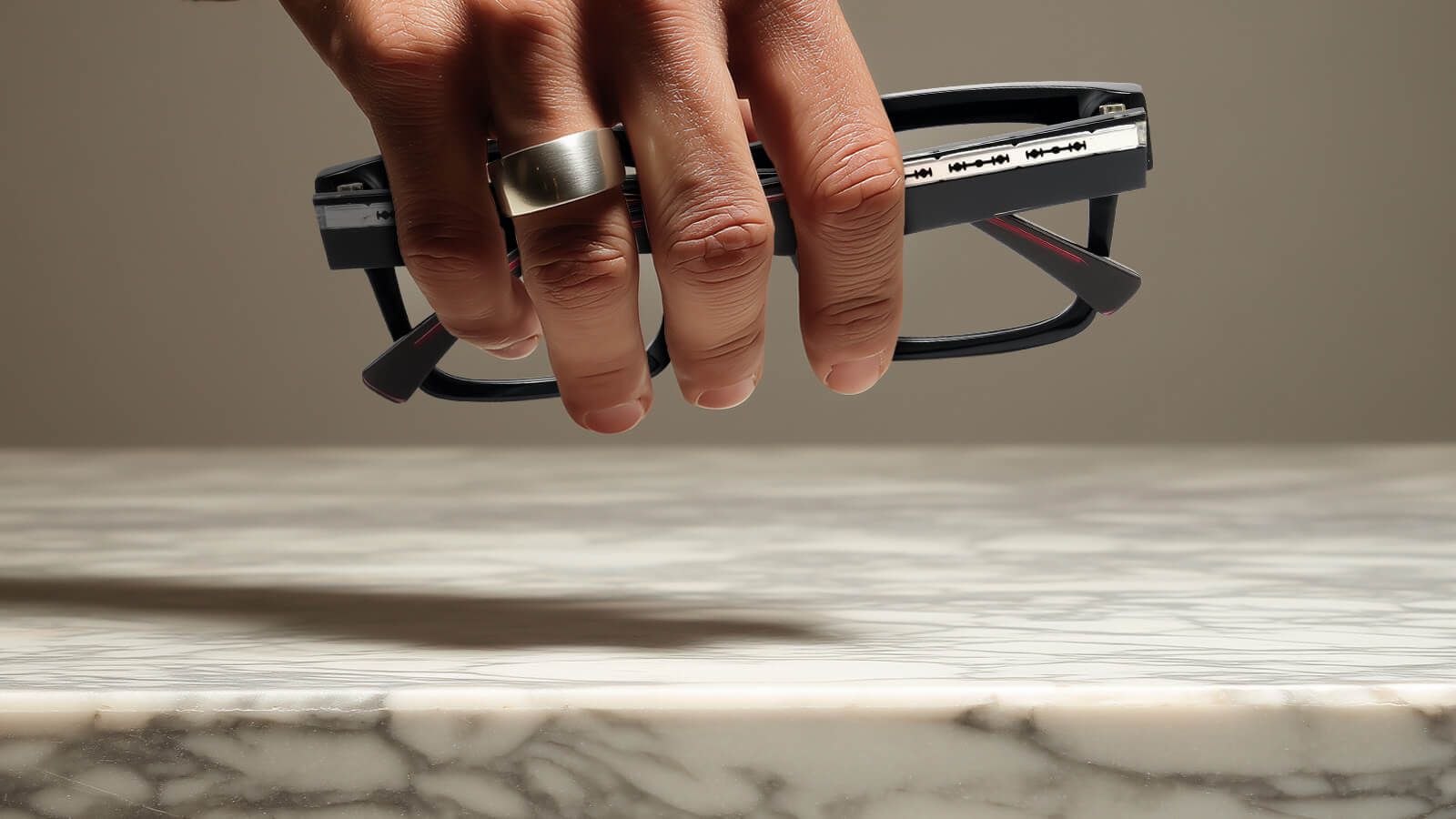
Are Plastic Eyeglass Frames Good Quality?
Yes, plastic eyeglass frames can be high quality, but “plastic” covers several very different materials. Quality depends on the material as well as the frame’s thickness, hinges, construction, finish, and fit.
Understanding the main material types is the best place to start.
TR90 and High-Grade Nylon
TR90 is a transparent polyamide known for its low density, toughness, and resistance to repeated stress. EMS-GRIVORY’s 2024 technical guide also lists low specific gravity, fatigue resistance, impact strength, and resistance to environmental stress cracking among the properties of Grilamid TR materials.
These qualities allow well-designed TR90 frames to flex under normal pressure and recover their shape more easily than many rigid plastics. Their low weight also makes them practical for work, travel, and long periods of wear.
High-grade flexible nylon offers similar benefits. Still, flexibility does not mean a frame is unbreakable. The strength of finished eyewear also depends on its hinges, lenses, thickness, and overall construction. EMS-GRIVORY
Acetate Frames
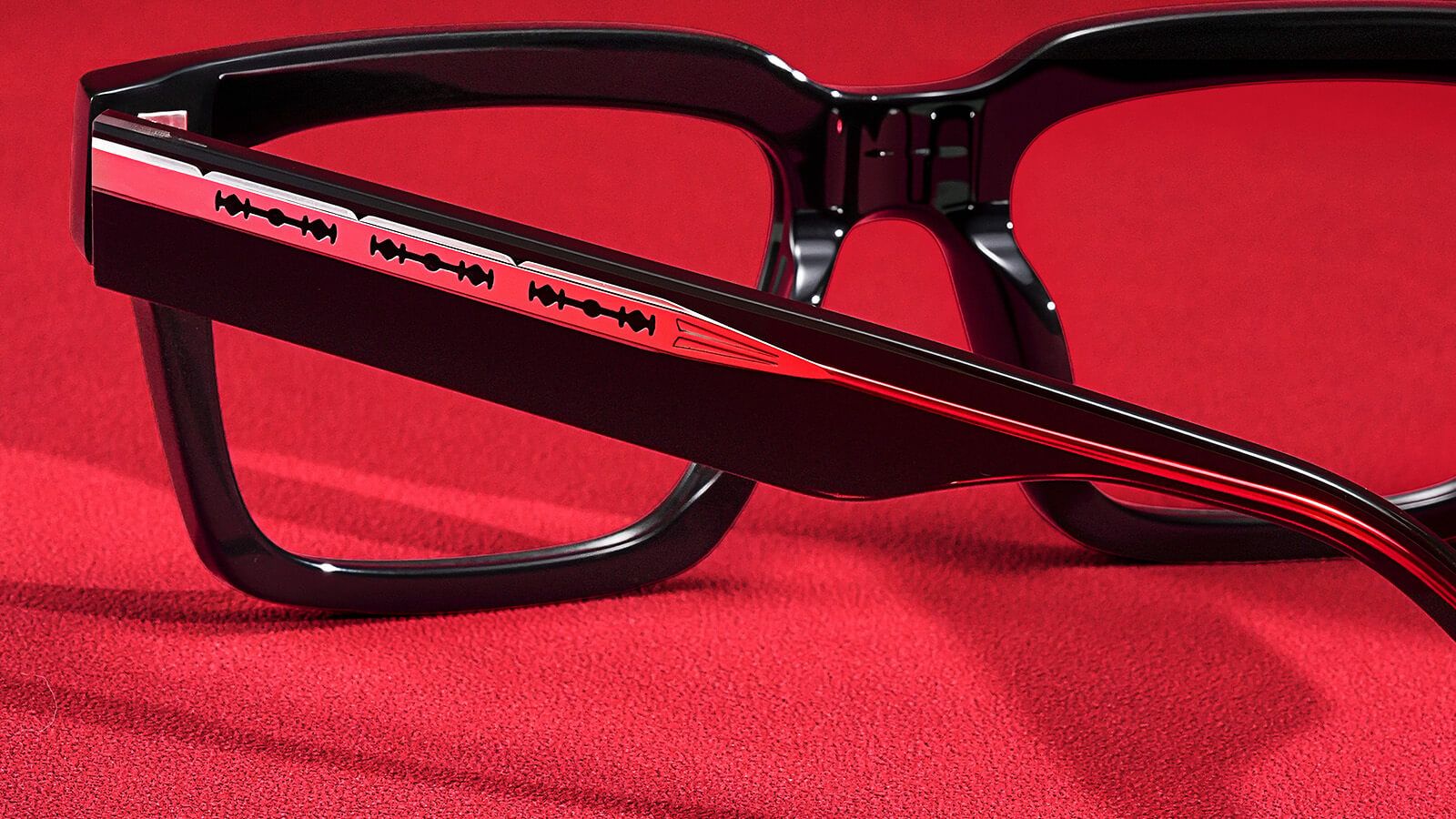
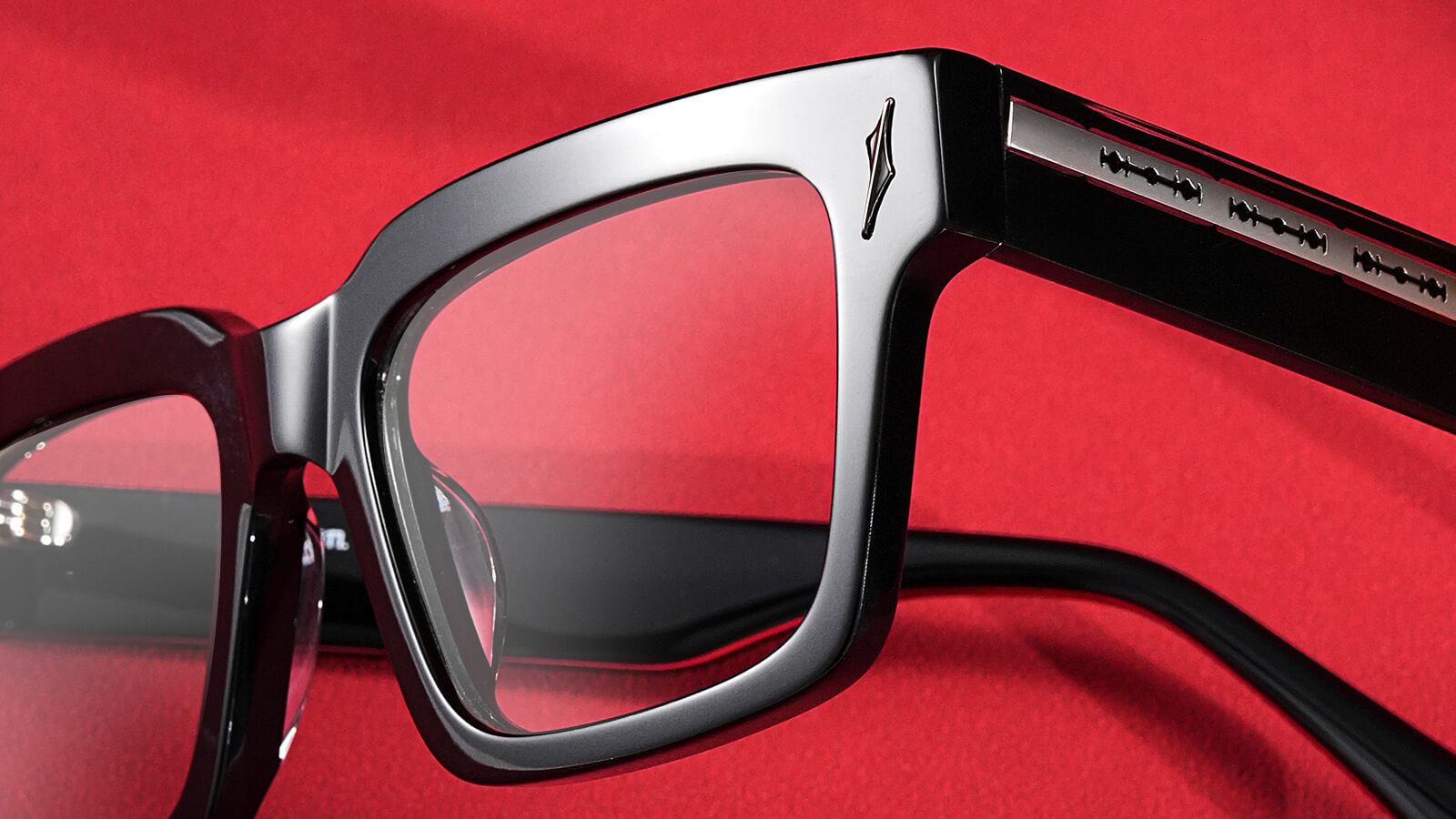
Acetate frames are usually cut from sheets of cellulose acetate rather than molded as one solid piece. The material can display tortoise patterns, transparent effects, gradients, and layered colors with noticeable visual depth.
Because the color runs through the material instead of simply sitting on the surface, polished acetate can achieve a rich, glossy finish. It often feels more substantial than TR90 and works especially well for expressive silhouettes.
Acetate is durable when cared for properly, but high temperatures can soften the material and affect its alignment. Never leave acetate glasses on a hot car dashboard or next to a strong heat source.
4 Key Advantages of Plastic Eyeglass Frames
Different plastic materials offer different strengths. Matching the material to your priorities will help you find a frame that looks good and works for the way you live.
1. All-Day Lightweight Comfort: TR90 Frames
Low weight is one of the most recognized advantages of plastic eyeglass frames. TR90 has a low density, allowing manufacturers to create frames that feel lighter without relying on ultra-thin metal.
This can be helpful if you wear glasses through meetings, screen sessions, errands, and evening plans. Less frame weight may reduce pressure on the nose and behind the ears.
However, material alone does not guarantee comfort. A lightweight frame can still pinch or slide if the bridge, temple length, or overall width is wrong. Lens thickness and weight also affect the final balance.
Vooglam’s TR90 glasses collection includes a range of shapes and sizes designed for lightweight wear without limiting color or personal expression.
2. Endless Color and Rich Texture: Acetate Frames
Acetate is slightly heavier than most TR90 materials, but its strength lies in visual depth. It can create detailed tortoise patterns, clear finishes, layered tones, and saturated gradients that are difficult to achieve with metal alone.
At a gallery opening, a translucent frame can add interest without overpowering the rest of your look. For a more graphic outfit, high-contrast acetate can become the central design element.
Because the pattern is built into the material, each cut may reveal slightly different color placement. This gives acetate eyewear a more dimensional character and makes it a strong choice for anyone who sees glasses as part of their personal style.
3. Less Direct Contact With Metal: Resin and TR90
Plastic frame fronts may reduce direct contact between metal and the skin. This can be useful for people who already know they are sensitive to nickel or certain metal finishes.
However, plastic eyewear should not automatically be labeled hypoallergenic. Many plastic eyeglass frames still contain metal hinges, screws, decorative parts, or internal temple cores.
A 2025 case report on contact dermatitis from spectacles noted that allergens may come from metals, plastics, plasticizers, dyes, and other components. Anyone with a confirmed allergy should therefore check the full material information rather than judging a frame by its front material alone. Indian Journal of Skin Allergy
If redness, itching, or swelling continues after wearing glasses, consult a dermatologist or eye-care professional.
4. Flexibility and Everyday Durability: Nylon and TR90
Flexible nylon and TR90 can tolerate repeated movement, minor drops, and pressure inside a bag better than many brittle materials. This makes them practical for commuting, travel, and active daily routines.
Their ability to flex under normal pressure can also help reduce the risk of accidental breakage. Even so, no everyday frame should be treated as damage-proof. A hard case remains the safest storage option.
Ordinary prescription glasses are also not a substitute for certified protective eyewear. Running, cycling, ball sports, and hazardous work may require eyewear designed for that specific activity.

Who Should Choose Plastic Frames?
Active Lifestyles
TR90 and flexible nylon can suit people who travel often, move between indoor and outdoor settings, or need eyewear that handles a busy routine. Their light weight and flexibility make them practical for everyday movement.
Fit still matters. A frame that stays secure depends on the bridge, temple shape, and overall size—not simply the material.
Desk Workers and Heavy Screen Users
People who wear glasses throughout the working day may appreciate the lower weight of TR90. A well-balanced frame can reduce unnecessary pressure during long screen sessions.
The lenses should also be considered. Thick or heavy lenses may change the balance of an otherwise lightweight design.
Color-Driven Dressers
For anyone who uses eyewear to shift the mood of an outfit, acetate offers greater freedom in color, transparency, and pattern.
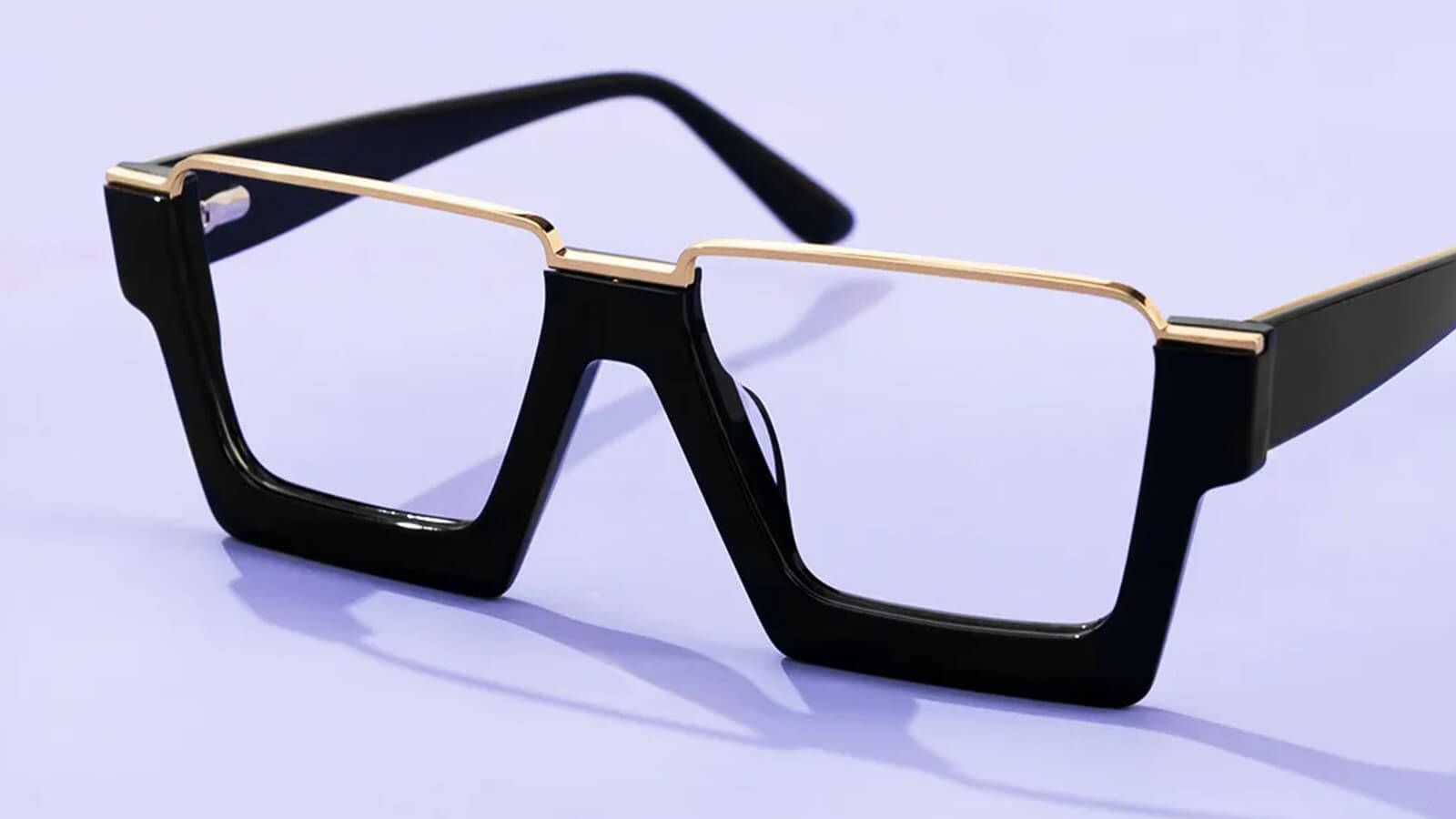
Vooglam’s range of plastic eyeglass frames moves from clear and understated designs to graphic shapes and layered color combinations. This variety makes it easier to choose eyewear that feels connected to your own visual identity.
Are Plastic Eyeglass Frames Worth It?
Modern plastic frames are no longer defined by the outdated idea that plastic must look cheap or break easily. Depending on the material, they can offer low weight, everyday flexibility, rich color, and a comfortable fit.
Choose TR90 frames if flexibility and lightweight wear are your main priorities. Consider acetate frames if you prefer deeper colors, layered patterns, and a more substantial material feel. In either case, check the bridge fit, temple length, hinges, construction, and full material information before buying.
Ready to experience the advantages of plastic eyeglass frames? Explore Vooglam TR90 glasses and find a design that supports both your routine and your way of seeing the world.
FAQ
How Do I Clean Plastic Frames?
Rinse your glasses under lukewarm running water to remove dust and small particles. Add a drop of mild, lotion-free dish soap, then gently clean the frame and lenses with your fingertips.
Rinse thoroughly and dry them with a clean microfiber lens cloth. Avoid paper towels, clothing, harsh household cleaners, and products containing aggressive solvents, as they may scratch the lenses or affect the finish.
Store your glasses in a hard case when they are not being worn. Keep plastic frames away from hot dashboards, hair dryers, radiators, and other direct heat sources. ZEISS
How to Clean Eyeglasses: Tips and Tricks>>
Will Plastic Eyeglass Frames Lose Their Shape?
Plastic frames may become loose or uneven because of heat exposure, loose hinge screws, poor storage, repeated one-handed removal, or normal wear.
Acetate can soften under high temperatures, while TR90 requires adjustment methods suited to its flexible structure. Do not use boiling water, a hair dryer, or direct heat to reshape either material at home. Excessive heat may warp the frame, loosen the lenses, or damage their coatings.
If your glasses slide, sit unevenly, or press on one side of your face, take them to an optician for professional adjustment.
This article is not a substitute for professional diagnosis.