
A street sign looks clear when you stand nearby, but it turns blurry from across the road. That familiar experience is often myopia, also called nearsightedness. So, what is myopia? When the eye is relaxed, incoming light focuses in front of the retina instead of directly on it. Nearby objects may stay clear, while distant details look blurred. On an eyeglass prescription, myopia is usually shown with a minus sign, such as SPH −2.00 D.
This guide explains what is nearsightedness, how prescription levels differ, what can influence progression, and how to choose prescription glasses for myopia.
Medical note: This article provides general information and is not a substitute for professional diagnosis.
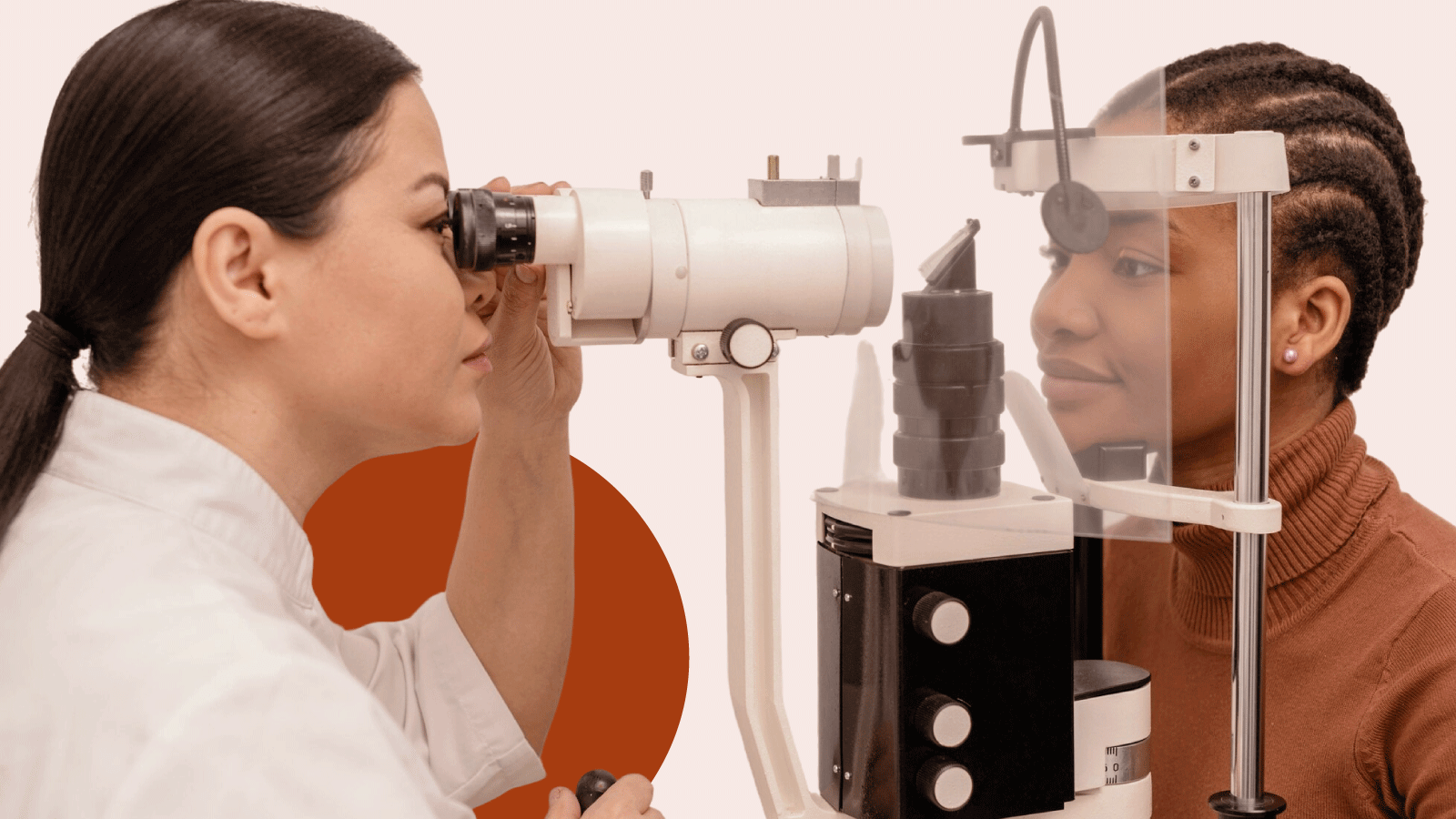
Mild, Moderate, and High Myopia: What Do Your Degrees Mean?
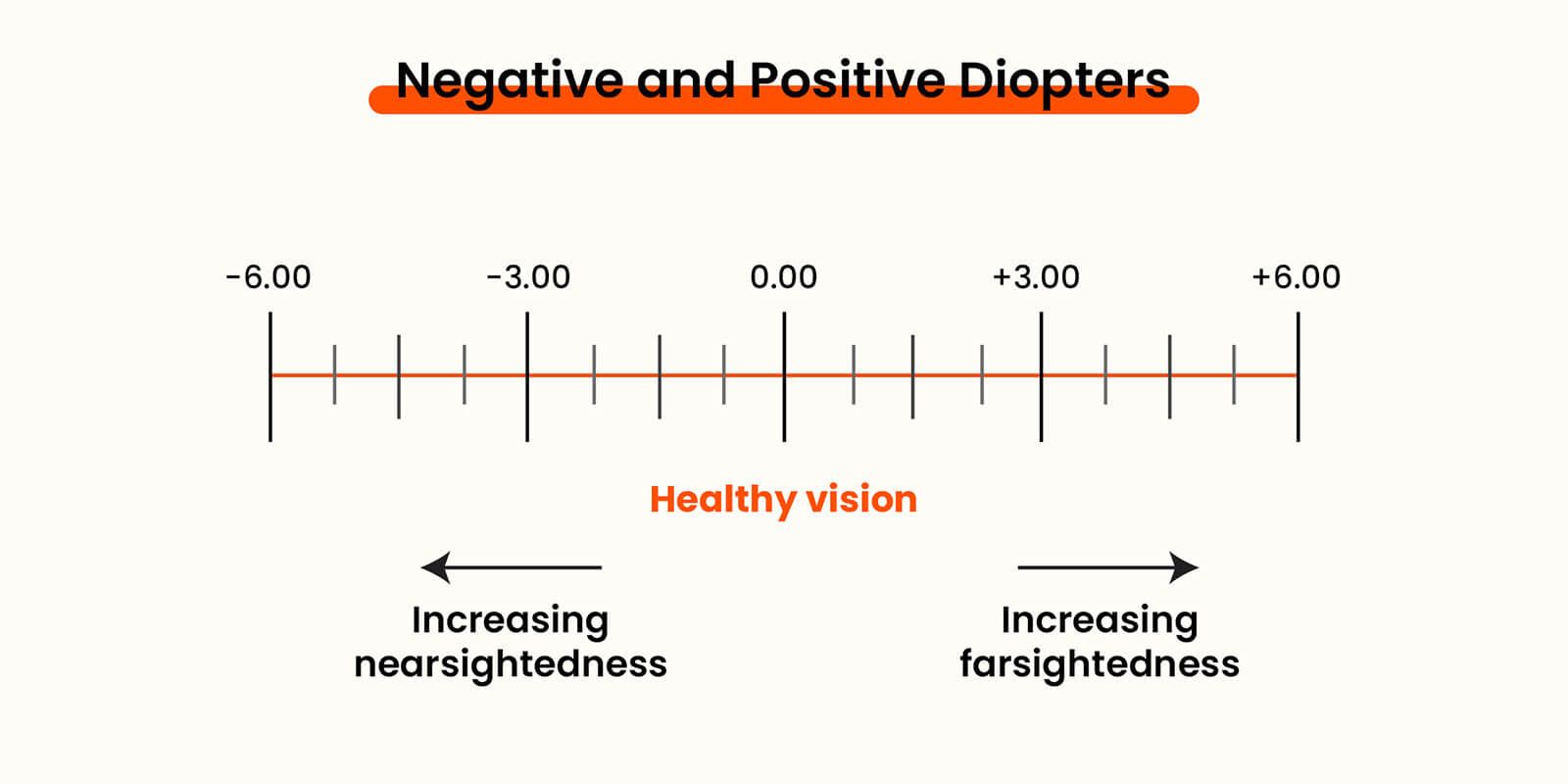
A prescription is measured in diopters, written as D. The larger the number after the minus sign, the stronger the correction needed. The following ranges are commonly used when comparing mild vs moderate vs high myopia.
| Myopia level | Common range | What you may notice | What deserves attention |
| Mild myopia | More than 0 to less than −3.00 D | Distant signs and faces look soft. Near tasks often stay clear. | An updated prescription can reduce squinting and blur. |
| Moderate myopia | −3.00 D to less than −6.00 D | Distance blur is stronger. Glasses are needed for many activities. | Regular exams help track prescription changes. |
| High myopia | −6.00 D or stronger | Clear distance vision requires stronger correction. Lens edges may be thicker. | Regular retinal checks may be recommended. |
Why High Myopia Requires More Attention
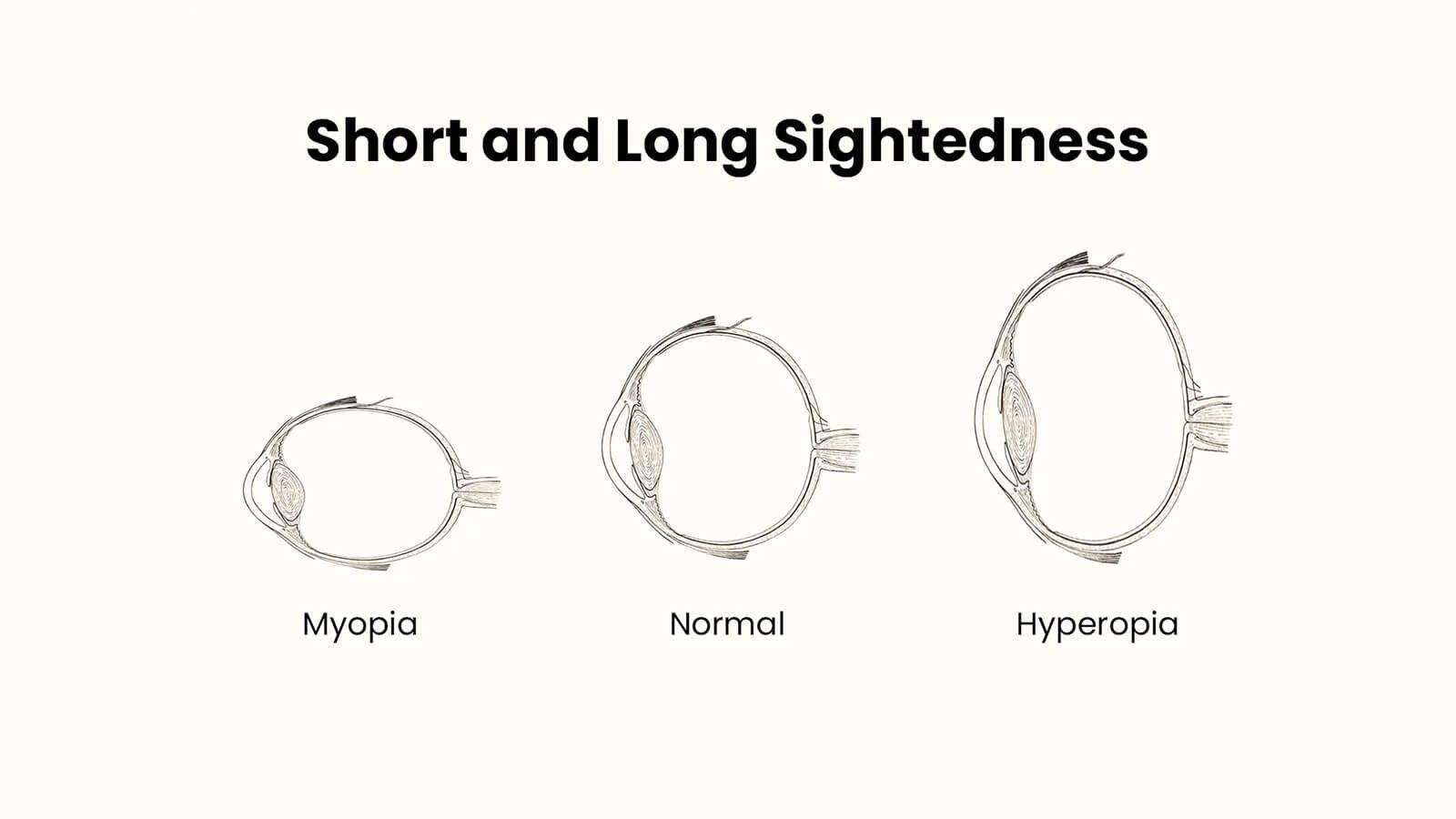
In many myopic eyes, the eyeball grows longer from front to back. This is called axial elongation. With high myopia, that change can stretch delicate tissues at the back of the eye. Glasses can focus light correctly, but they cannot reverse axial elongation.
For this reason, high myopia is associated with increased risks of retinal tears, retinal detachment, glaucoma, myopic macular changes, and earlier cataract. This does not mean every person with a strong prescription will develop these conditions. Regular comprehensive eye examinations are still important.
An eye care professional can decide how often a dilated retinal examination is needed. New flashes, a sudden increase in floaters, a dark curtain across the vision, or sudden vision loss require urgent attention.
What Causes Myopia? Genetics vs. Environmental Factors
There is no single answer to what causes myopia. The condition usually develops through an interaction of eye growth, inherited tendency, age, and visual environment. Someone may develop myopia even when neither parent wears glasses.
Genetics and Family History
Myopia often runs in families. The likelihood generally rises when one or both parents are myopic, especially when close family members have strong prescriptions or developed myopia early.
However, family history does not make myopia unavoidable. Genetics may increase susceptibility, while visual habits and environment can influence when myopia begins and how it develops. Children with a family history of myopia may benefit from earlier vision checks.
Near Work, Screens, and Outdoor Time
Long periods of reading, studying, or screen use are associated with myopia development, especially when materials are held very close and breaks are limited. This does not mean a laptop or phone directly damages the eye and causes myopia by itself.
Screen use can also cause dryness, burning, temporary blur, headaches, and focusing fatigue. These are common causes of digital eye strain, but digital eye strain and myopia are not the same condition. Eye strain may improve after rest, blinking, or adjusting the screen setup. Myopia requires optical correction to make distant objects clear.
Limited outdoor time is another factor to consider, especially for children. Bright outdoor light and looking across varied distances may support healthy visual development. Outdoor activity can be part of a balanced routine, but it cannot reverse myopia that has already developed.
Myth: Wearing Glasses Makes Myopia Worse
Properly prescribed glasses do not weaken the eyes or cause the prescription to rise. Myopia often progresses while a child is growing. It may also continue changing during the late teenage years or young adulthood.
Because these changes happen after someone begins wearing glasses, it can seem as if the glasses are responsible. In reality, the glasses simply correct existing blur.
Genetics and environmental factors influence eye growth. Glasses change where light focuses. The correct prescription also supports safer driving, classroom viewing, and distance work. If vision changes noticeably, schedule a new examination instead of avoiding your glasses.
How to Correct Myopia: Safe and Proven Solutions
Vision correction makes distant objects clearer. Myopia control aims to slow future progression, especially in children and teenagers. The right option depends on age, prescription stability, eye health, and lifestyle.
Prescription Eyeglasses
For most people, prescription glasses for myopia are the simplest and most practical option. They do not touch the eye, require little maintenance, and can be updated when the prescription changes. Their color, shape, and material can also support personal style.
For stronger prescriptions, frame selection affects comfort and lens appearance. A moderate lens opening may help limit visible edge thickness. High index lenses such as 1.61 or 1.67 can be thinner than standard index lenses with the same prescription.
Vooglam lets you pair lightweight frames with customized prescription lenses. Blue light filtering can be selected as a screen use preference, but it should not be treated as a cure for myopia or a guaranteed solution for eye strain.
For long hours of wear, fit matters as much as lens index. Check bridge width, temple length, frame size, and weight distribution. A frame that is too narrow may cause pressure, while one that is too wide may slide down.
Read more about choosing lightweight glasses for long wear, then confirm your prescription and pupillary distance before ordering.
Contact Lenses and Orthokeratology
Standard contact lenses correct distance blur and can be practical for sports. They require careful cleaning, replacement, and follow up because poor hygiene raises the risk of infection.
Some specialized soft contact lenses are used for childhood myopia control under professional supervision.
Orthokeratology, often called Ortho K, uses rigid lenses worn overnight to temporarily reshape the cornea. The wearer may see clearly during the day without glasses. For some children, it may also help slow axial elongation.
The effect is not permanent. Accurate fitting, strict hygiene, and ongoing examinations are essential.
Refractive Surgery
LASIK, PRK, and other procedures may be considered after age 18 when the prescription is stable and the eyes meet clinical requirements. Evaluation usually includes corneal thickness, tear film, prescription range, and overall eye health.
Surgery changes how the eye focuses light. It does not shorten an elongated eye or remove retinal risks linked with high myopia. Anyone considering surgery should discuss expected results, dry eye, glare, recovery, and other risks with a qualified surgeon.
Daily Eye Care: Tips to Prevent Vision Deterioration
No habit can guarantee that a prescription will stop changing. However, a few practical routines can make close work more comfortable.
Use the 20 20 20 Rule
After 20 minutes of close work, look at something 20 feet, about 6 meters, away for 20 seconds. This does not cure myopia, but it may reduce focusing fatigue and other causes of digital eye strain.
Remember to blink fully. People often blink less while using screens, which can make the eyes feel dry or irritated.
Keep a Comfortable Distance and Use Enough Light
Keep books and handheld screens at least 30 centimeters away. Place a desktop monitor farther back when comfortable. Increase the text size instead of leaning toward the display.
Avoid using a bright screen in a completely dark room. If blur, headaches, or discomfort continue despite regular breaks, an outdated prescription, dry eye, or a focusing problem may need attention.
Increase Outdoor Time
For children, a practical goal is one to two hours outdoors each day when weather and safety allow. Outdoor activity is associated with a lower chance of developing myopia, but it cannot replace prescription glasses or a professional myopia control plan.
Use appropriate sun protection and never look directly at the sun.
Schedule Regular Eye Exams
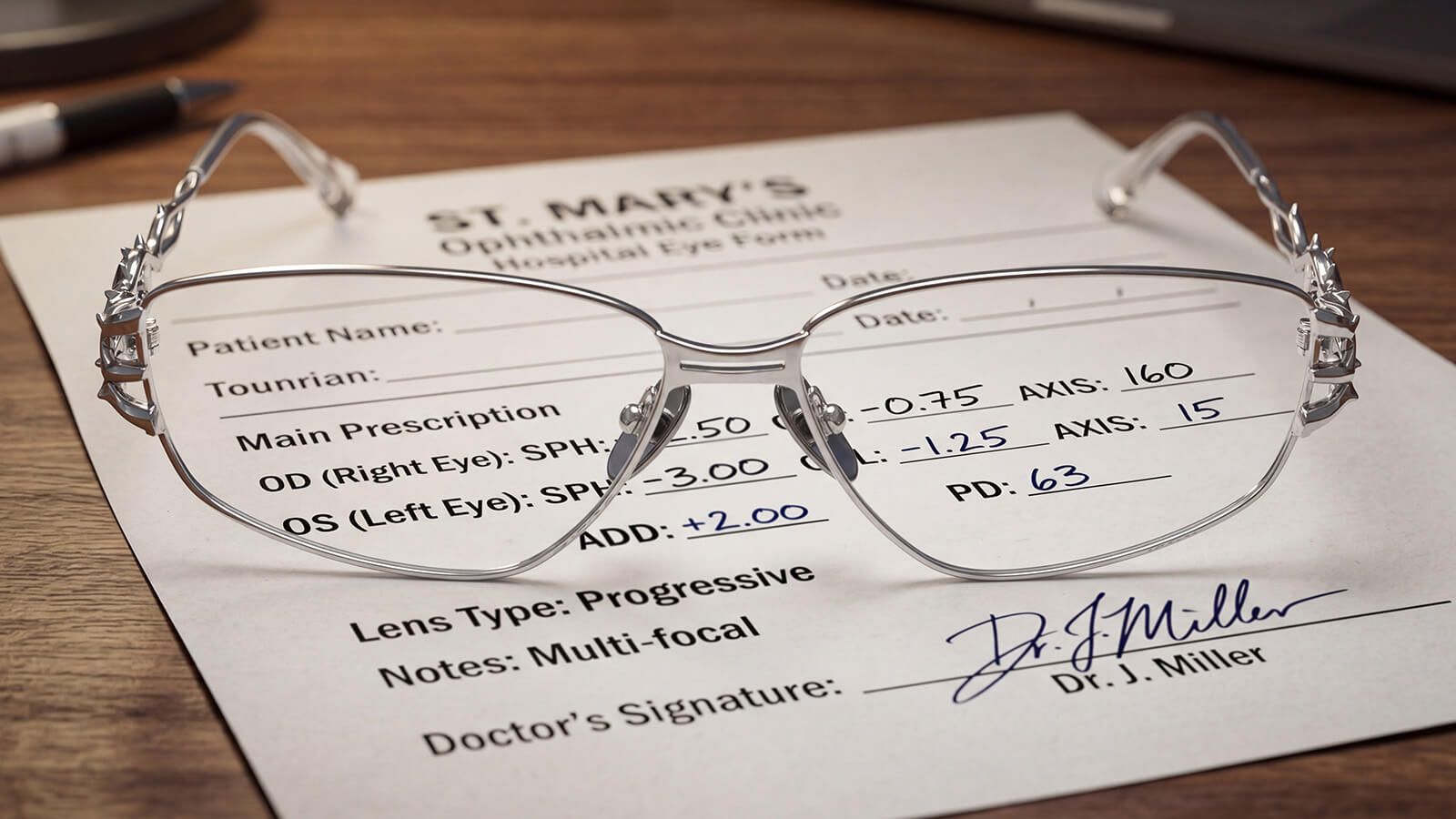
Children with changing prescriptions, people with high myopia, and adults who notice new blur may need more frequent examinations. Bring the previous prescription so changes can be compared.
A comprehensive examination checks more than visual clarity. It can also assess focusing ability, eye pressure, and retinal health.
Conclusion
Understanding what is myopia starts with one simple idea: light focuses in front of the retina, so distant objects appear blurred. The minus number on your prescription indicates how much correction is needed. Comparing mild vs moderate vs high myopia also helps explain prescription strength and possible eye health considerations.
Genetics, age, near work habits, and outdoor exposure may all influence myopia. Properly prescribed glasses do not make it worse.
Clear vision begins with an accurate eye examination. Once you have a current prescription, explore Vooglam’s prescription glasses for myopia, lightweight materials, and high index lens options for comfortable, expressive eyewear. For sudden symptoms or rapid prescription changes, contact an eye care professional promptly.
FAQ
Q1: Is Myopia the Same Thing as Nearsightedness?
Yes. Myopia is the clinical term, while nearsightedness is the common English term. If you are asking what is nearsightedness, it means near objects are usually clearer than distant ones because light focuses in front of the retina.
Q2: Can Adults Still Experience an Increase in Myopia Degrees?
Yes. Myopia often slows or stabilizes during the late teenage years or early twenties, but this is not guaranteed. Some adults continue to experience prescription changes.
If an adult prescription changes noticeably, especially within a short period, a comprehensive eye examination can check for refractive changes and other possible causes.