
That heart-stopping moment when super glue lands on your glasses instead of your DIY project — we've all been there. Whether it's a crafting accident or a misguided repair attempt, discovering glue on glasses lens surfaces feels like disaster. But before you panic or start scrubbing frantically, take a deep breath. The wrong removal method can turn a fixable mishap into permanently scratched or damaged lenses. This guide reveals exactly how to get super glue off glasses lenses safely, with methods tested by pros who've rescued countless pairs from sticky situations.
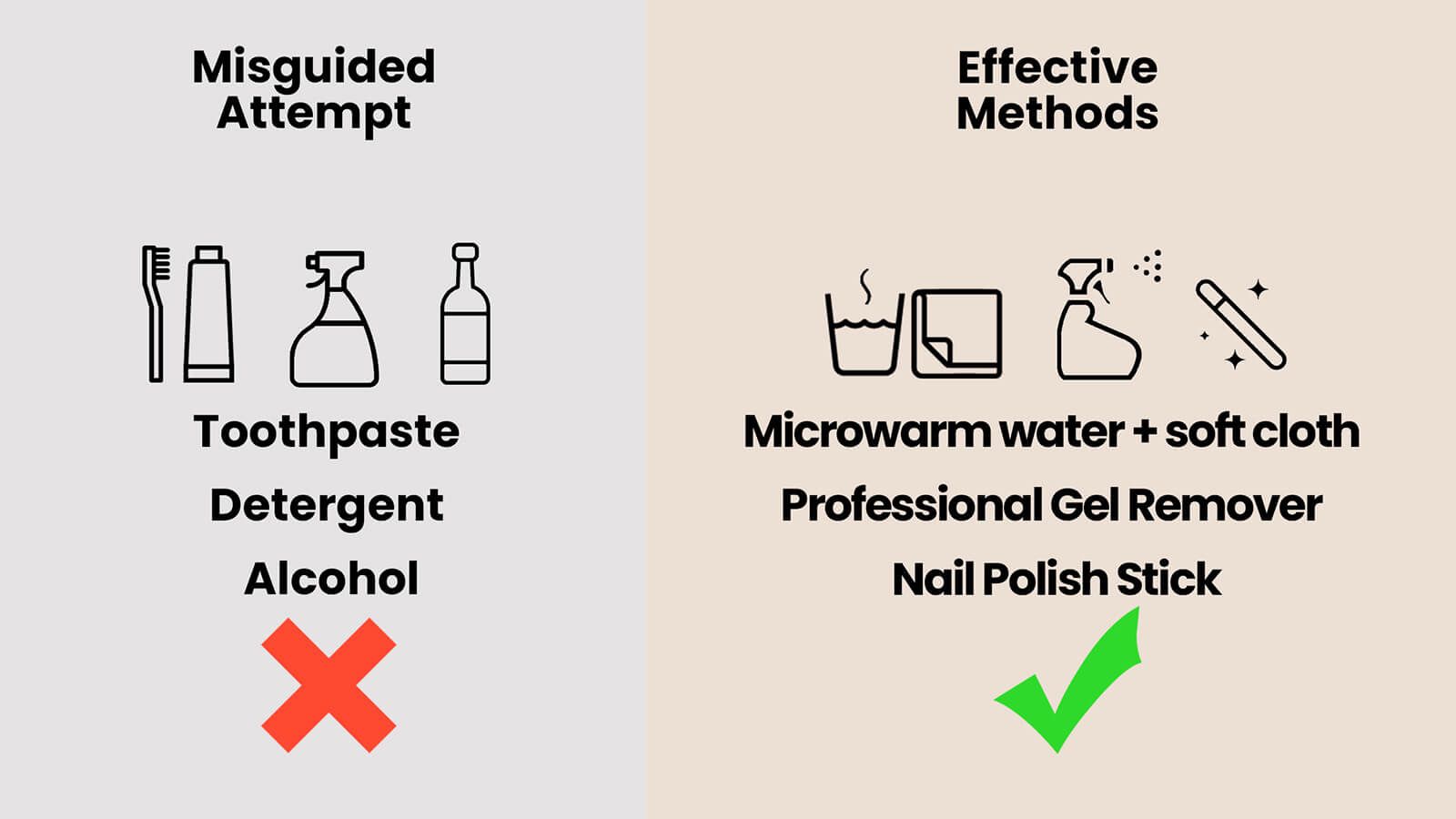
What Not to Do First
Before we dive into solutions, let's prevent making things worse. These common mistakes can turn minor glue spots into major lens damage:
❌ Don't Scrub Aggressively with Abrasives
Your first instinct might be to scrub hard, but aggressive rubbing with rough materials creates permanent scratches. Super glue bonds at a molecular level — brute force won't break it, but it will destroy your lens surface.
❌ Avoid Nail Polish Remover Unless You Understand the Risk
Yes, acetone dissolves super glue, but it also attacks many lens coatings and plastic materials. Using it blindly is like using a flamethrower to light a candle — effective but potentially devastating.
❌ Don't Use Steel Wool, Paper Towels, or Baking Soda Directly
These materials are too abrasive for delicate lens surfaces. Even "soft" paper towels have tiny fibers that create micro-scratches. Save these for your kitchen, not your vision.
❌ Never Heat Lenses
Heat might soften glue, but it also warps plastic lenses, damages coatings, and can even crack glass under extreme temperature changes. Your hairdryer is not your friend here.
Understand Your Lenses First
Success in removing super glue from lenses starts with knowing what you're working with:
Lens Materials Matter
- Glass lenses: Most durable, can handle stronger solvents
- Plastic (CR-39): Common in older prescriptions, moderately chemical-resistant
- Polycarbonate: Impact-resistant but sensitive to chemicals
- High-index plastic: Thin and light but requires gentle treatment
Coatings Complicate Things
Modern lenses often feature multiple coatings:
- Anti-reflective (AR) coating
- Blue light blocking
- UV protection
- Scratch-resistant layers
These coatings are particularly vulnerable to harsh chemicals and abrasion. If your lenses have any special coatings, default to the gentlest removal methods.
When in Doubt, Go Gentle
Can't identify your lens type? Play it safe. It's better to spend extra time with gentle methods than to rush and ruin your lenses permanently.
Safe Methods to Remove Super Glue from Glasses Lenses
Now for the solutions that actually work without destroying your lenses:
🔹 Method 1: Warm Soapy Water & Patience
Best for: All lens types, especially coated lenses Time required: 30-60 minutes plus removal time
This is your safest starting point:
- Fill a bowl with warm (not hot) water and add a few drops of dish soap
- Submerge your glasses completely for 30-60 minutes
- Check if the glue has softened by gently testing with your fingernail
- Use a wooden toothpick or credit card edge to lift softened glue
- Repeat soaking if needed — patience prevents scratches
Pro tip: This method might take multiple sessions, but it's virtually risk-free for any lens type.
🔹 Method 2: Isopropyl Alcohol (For Non-Coated Lenses Only)
Best for: Uncoated plastic or glass lenses Time required: 15-30 minutes
If you're certain your lenses lack special coatings:
- Soak a cotton swab in 70% isopropyl alcohol
- Dab (don't rub) the alcohol onto the glue spot
- Let it sit for 5-10 minutes to penetrate
- Gently wipe with a microfiber cloth
- Repeat if necessary, allowing time between applications
Warning: Test on a lens edge first. If you see any cloudiness or color change, stop immediately.
🔹 Method 3: Commercial Adhesive Removers
Best for: Stubborn glue on uncoated lenses Examples: Goo Gone, Un-Du, Goof Off
Handle with care:
- Apply a tiny amount to a Q-tip, never directly to lens
- Touch only the glue spot, avoiding lens edges and frames
- Let it work for 2-3 minutes maximum
- Rinse immediately and thoroughly with water
- Clean with lens cleaner to remove any residue
Critical: These products can damage coatings. Test first and rinse quickly.
🔹 Method 4: Acetone (For GLASS Lenses Only)
Best for: Plain glass lenses without coatings Never use on: Plastic, polycarbonate, or any coated lenses
The nuclear option for glass:
- Confirm your lenses are uncoated glass (ask an optician if unsure)
- Dip a cotton swab in pure acetone
- Touch only the glue spot, working from edges inward
- As glue softens, lift with a wooden stick
- Rinse thoroughly and polish with microfiber cloth
Remember: Acetone melts many plastics instantly. When in doubt, don't use it.
🔹 Method 5: Petroleum Jelly or Cooking Oil (Slow but Safe)
Best for: Any lens type, especially when other methods seem risky Time required: 8-24 hours
The tortoise approach that wins the race:
- Apply a small amount of petroleum jelly or cooking oil to the glue
- Cover the area completely but avoid excess
- Let it sit overnight (yes, really)
- The oil penetrates and loosens the glue's bond
- Buff off gently with a microfiber cloth
- Clean thoroughly with lens cleaner
Bonus: This method is nearly impossible to mess up, making it perfect for expensive or irreplaceable glasses.
When to Call a Professional
Sometimes DIY isn't the answer. Seek professional help when:
Large Area Coverage
If super glue covers a significant portion of your lens, professional tools and expertise become crucial.
Prescription or Specialty Lenses
High-value prescription lenses deserve professional care. The cost of replacement far exceeds professional cleaning fees.
Uncertainty About Lens Type
Can't identify your lens material or coatings? Optical shops have the knowledge and tools to clean safely.
Access to Ultrasonic Cleaning
Many optical shops use ultrasonic cleaners that can remove glue without any physical contact — the safest option available.
Clear Vision Ahead
Learning how to get super glue off glasses lenses safely is all about patience and using the right method for your specific lenses. While that droplet of glue might seem like a disaster, most cases can be resolved without permanent damage if you avoid aggressive techniques and choose appropriate removal methods.
Remember: when dealing with glue on glasses lens situations, slower is almost always better. Your vision deserves careful treatment, not rushed solutions.
If your lenses are beyond saving or you need professional guidance, Vooglam is here to help. From replacement lenses to expert care advice, we're committed to keeping your vision crystal clear.