
You’ve done the research (perhaps even comparing progressive lenses vs. bifocals). You know you need progressive lenses to see clearly at every distance. But here is the catch that most people miss: The best lenses in the world won't work if you put them in the wrong frame.
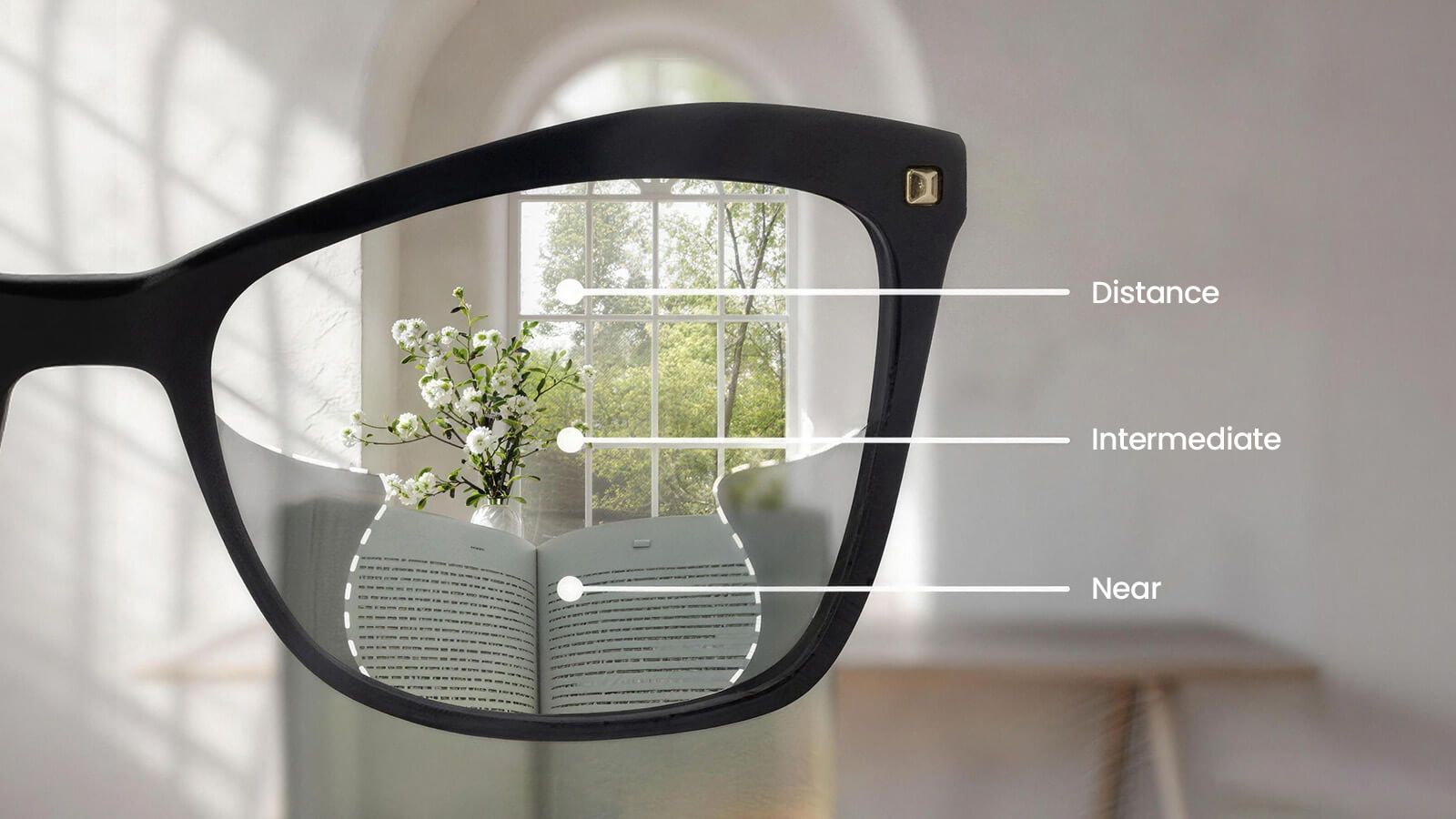
Progressive lenses are a masterpiece of geometry. Unlike single-vision glasses, which are uniform, progressives need specific vertical space to stack all three vision zones (Distance, Intermediate, and Near).
If your frame is too short, the reading zone gets chopped off. If the shape is too angled, your peripheral vision gets blurred.
In this guide, we will break down which frame sizes are best for progressive lenses, which shapes work best for your prescription, and answer the common question: "Can I put progressive lenses in any frame?"
The Golden Guideline: Frame Height Matters (28mm–30mm)
If you remember only one thing from this guide, make it this: Height is everything.
What size frames are best for progressive lenses? For a standard progressive lens to function correctly, the lens height (technically called the "B measurement") should generally be at least 28mm to 30mm.
Why? Imagine the lens is a ladder.
- Top Rung: Distance Vision.
- Middle Rung: Computer/Dashboard Vision.
- Bottom Rung: Reading Vision.
If you choose a trendy, ultra-narrow frame (like the slim reading glasses popular in the 90s), you are essentially sawing off the bottom rung of the ladder. You will end up with a usable distance zone, a tiny computer zone, and a zero reading zone. To read a menu, you’ll have to tilt your head back awkwardly just to find the tiny slice of magnifying power left at the bottom.
Vooglam Tip: When shopping on our site, check the "Lens Height" in the frame dimensions. If it’s under 28mm, we recommend saving that frame for single-vision use only.
What Are "Progressive Friendly" Frames?
You might see the term "Progressive Friendly" or "Multifocal Eligible" on eyewear sites. This isn't just marketing jargon; it is a technical classification.
A Progressive Friendly frame guarantees two things:
- Vertical Height: It meets the minimum 28mm requirement to fit the reading corridor.
- Stability: It is designed to hold the thicker curvature of a multifocal lens securely without warping.
Best Shapes for Progressive Lenses
Geometry plays a huge role in comfort. You want shapes that open up the bottom of the lens, where your reading prescription sits.
1. The Winners: Round, Square, and Deep Rectangles
These shapes are ideal because they have a deep vertical drop.
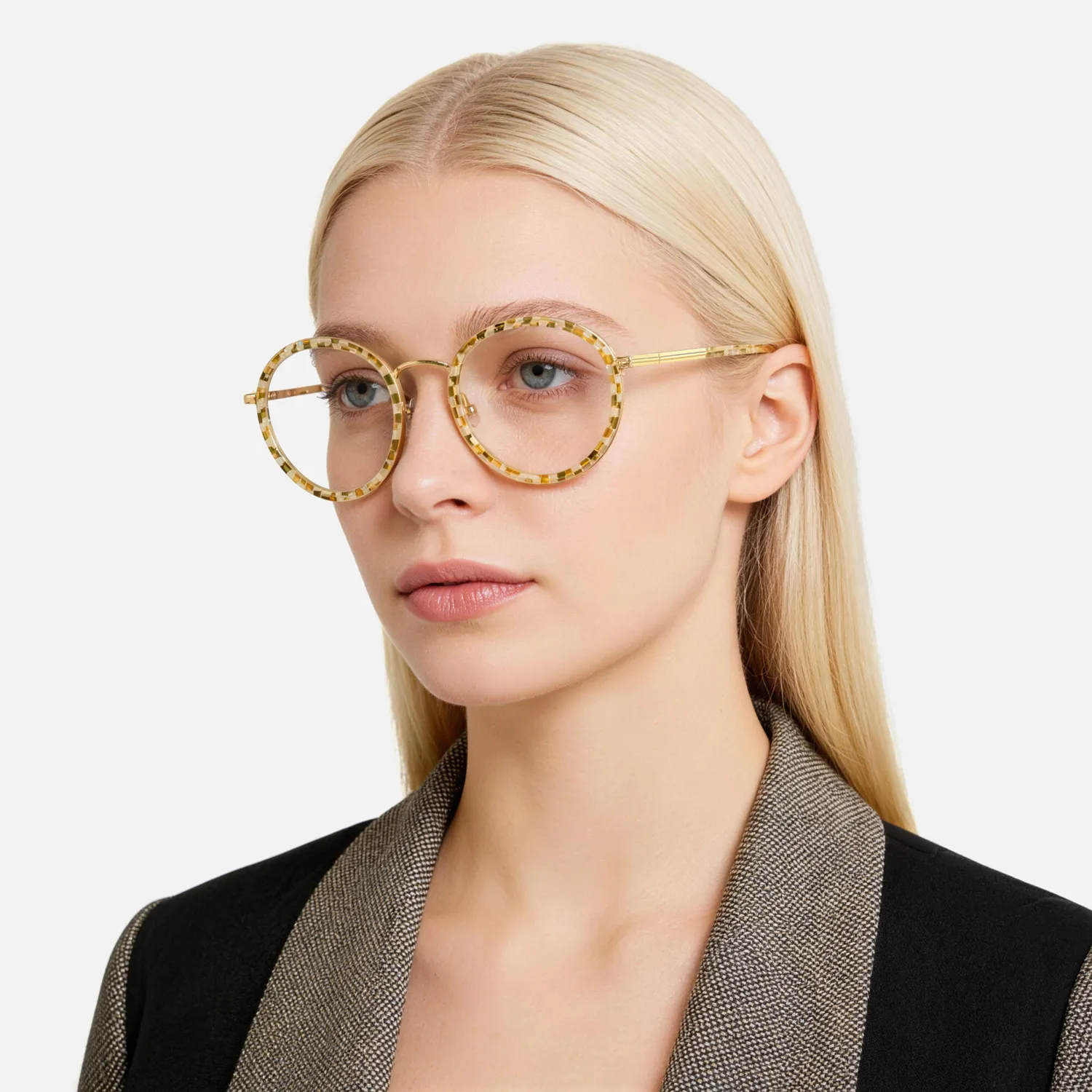
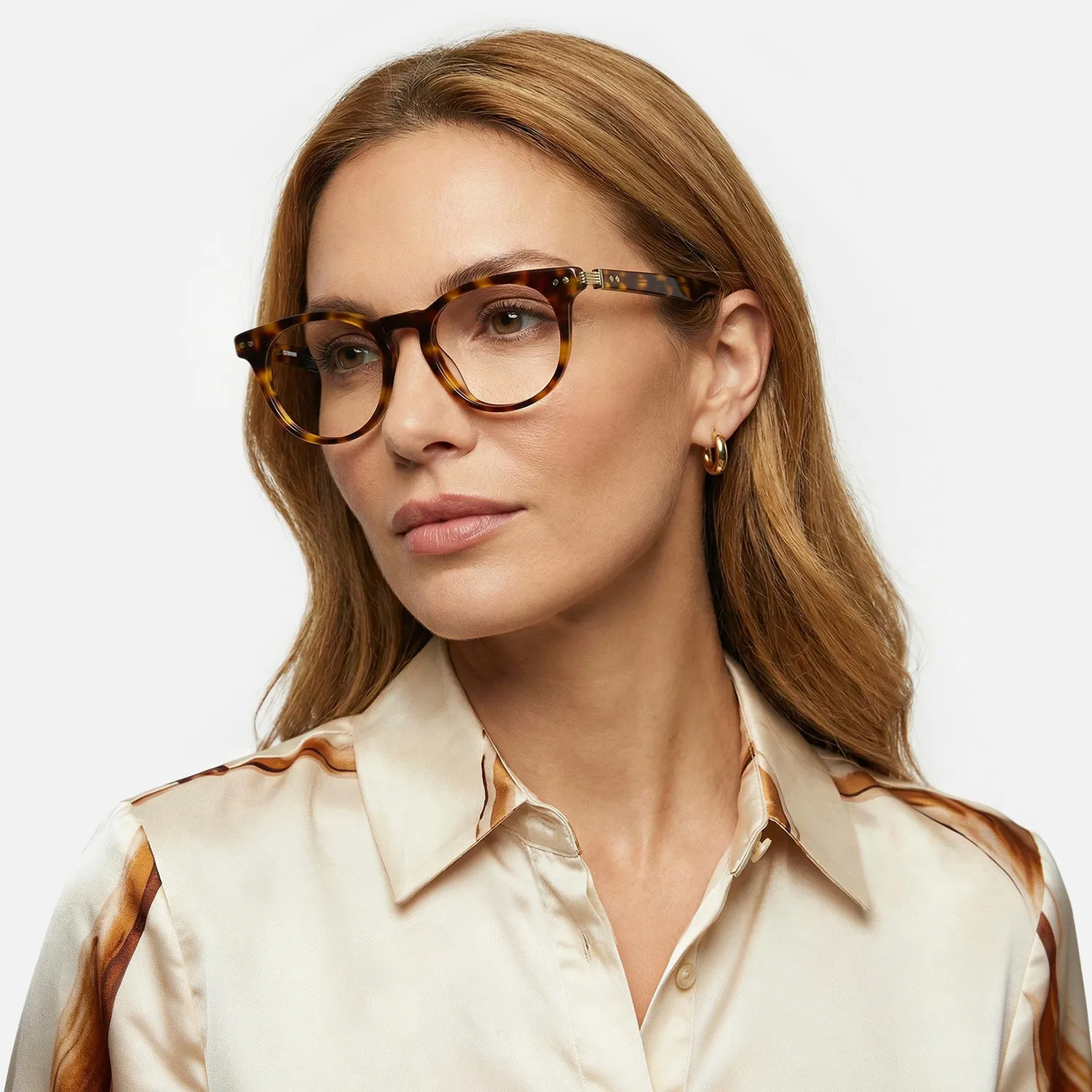
- Round/Panto: Excellent for high prescriptions because they cut out the thickest edges of the lens while providing plenty of vertical space.
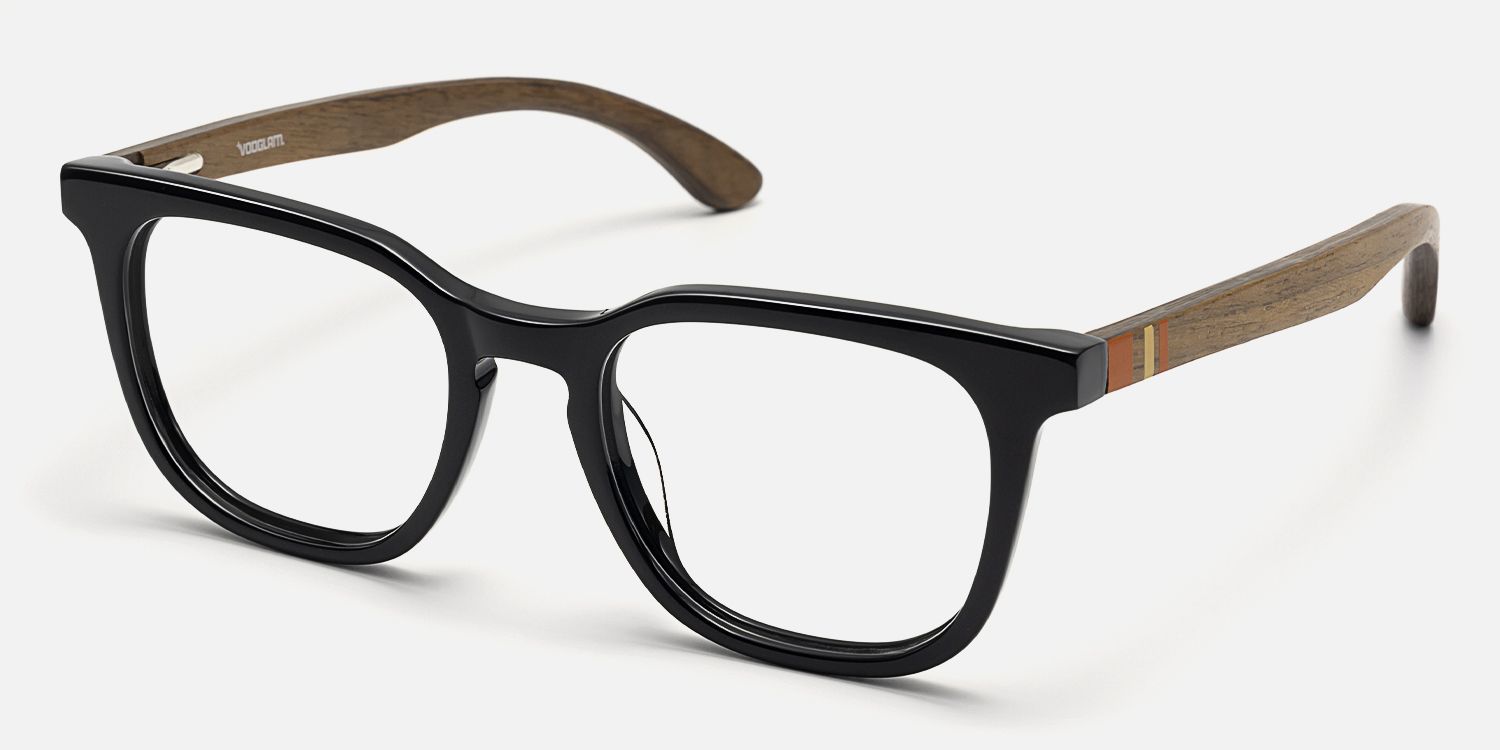
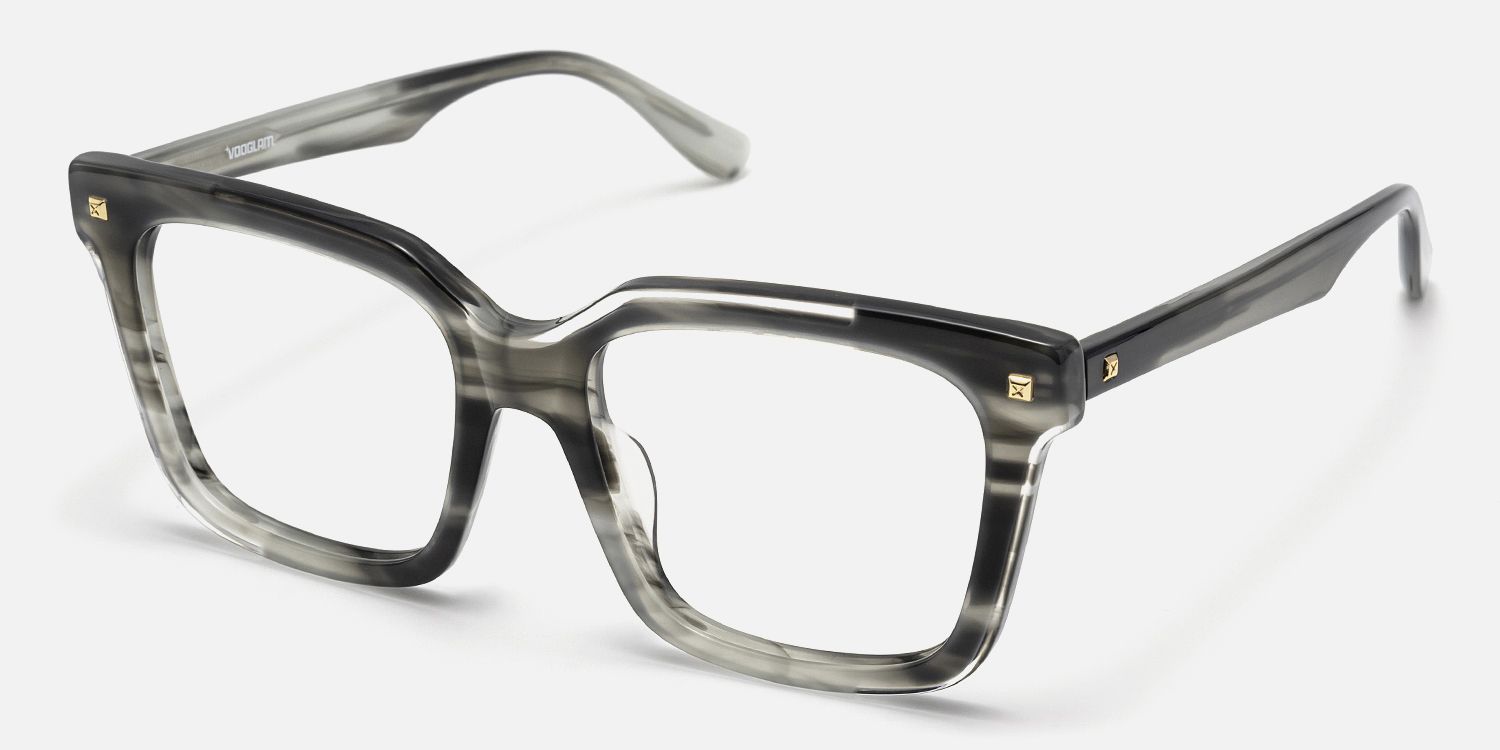
- Square/Wayfarer: These classics offer a wide, stable reading area.

2. The Tricky Ones: Aviators and Cat-Eyes
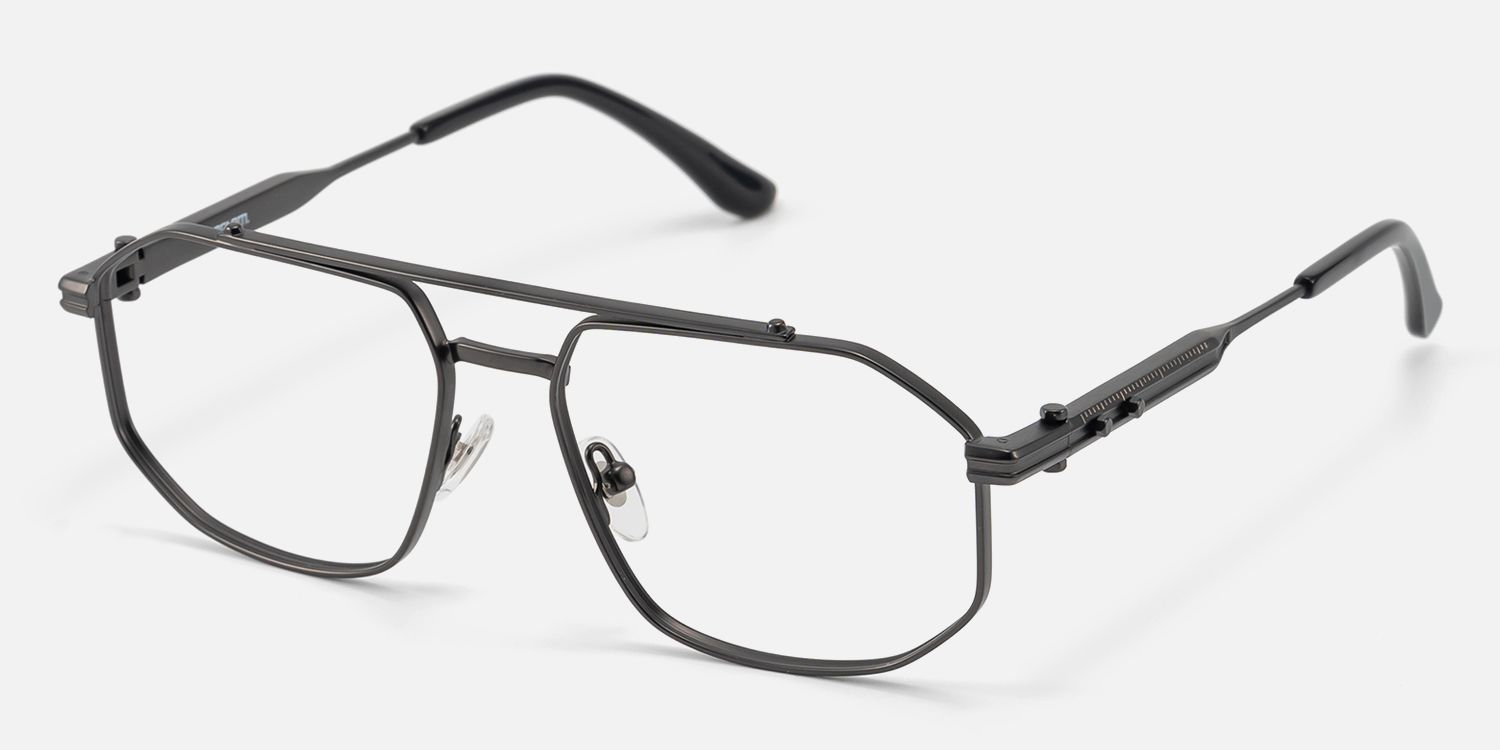
- Aviators: While stylish, classic Aviators often have a teardrop shape that drastically cuts away the bottom corners near your nose. Why is this a problem? That is exactly where the near-vision zone is positioned in a progressive lens. If the frame cuts that corner off, you lose your reading power. (Tip: If you need a wide reading zone in this style, bifocal glasses might be a clearer alternative, or look for "Navigator" shapes).
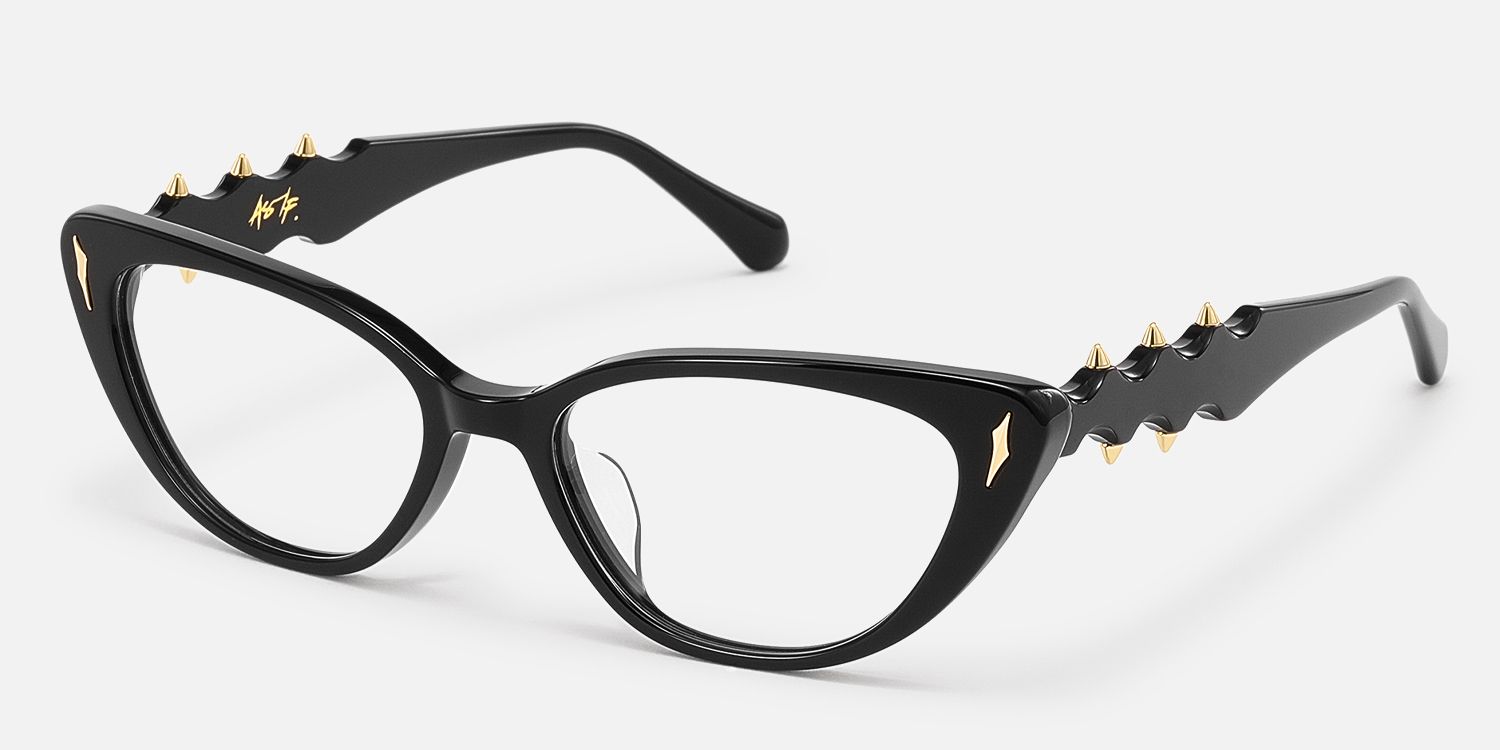
- Cat-Eyes: Some vintage cat-eyes are very shallow. Ensure the bottom of the frame is deep enough before you fall in love with the style.
Vooglam's Guide: How to Find Perfect Glasses for Your Face Shape>
Can You Put Progressive Lenses in Any Frame?
Technically, no. While modern technology has created "Short Corridor" progressive lenses that can fit into frames as narrow as 24mm–26mm, there is a trade-off.
The "Short Corridor" Compromise: To fit a progressive lens into a tiny frame, the optical lab has to compress the "Intermediate" (Computer) zone. This means you might transition from "Far" to "Near" very abruptly, leaving you with little to no middle ground for viewing your car dashboard or laptop screen.
The Verdict: Unless you absolutely love a specific small frame, stick to the 30mm guideline. This ensures smoother transitions and makes adjusting to progressive lenses much easier and faster.
Are Rimless Frames Good for Progressive Lenses?
We get asked this often: "Can I wear rimless glasses with progressives?"
The Answer: Yes, but with conditions.
- The Pro: Rimless frames are incredibly lightweight, which helps offset the slightly heavier weight of a progressive lens.
- The Con: Because progressive lenses are complex, they can be thicker at the edges depending on your prescription. Without a frame rim to hide the edge, the lens might look thicker than you expect.
- The Solution: If you choose rimless progressives, always upgrade to High Index Lenses (1.67 or 1.74). This material is denser and stronger, preventing the lens from cracking at the drill mounts while keeping the edges thin and invisible.
Best Men's Frames for Progressive Lenses
For men, stability and coverage are key. Best Men's Frames for Progressive Lenses tend to be:
- Deep Rectangular Frames: These offer a masculine look while maximizing the "corridor" width for computer work.

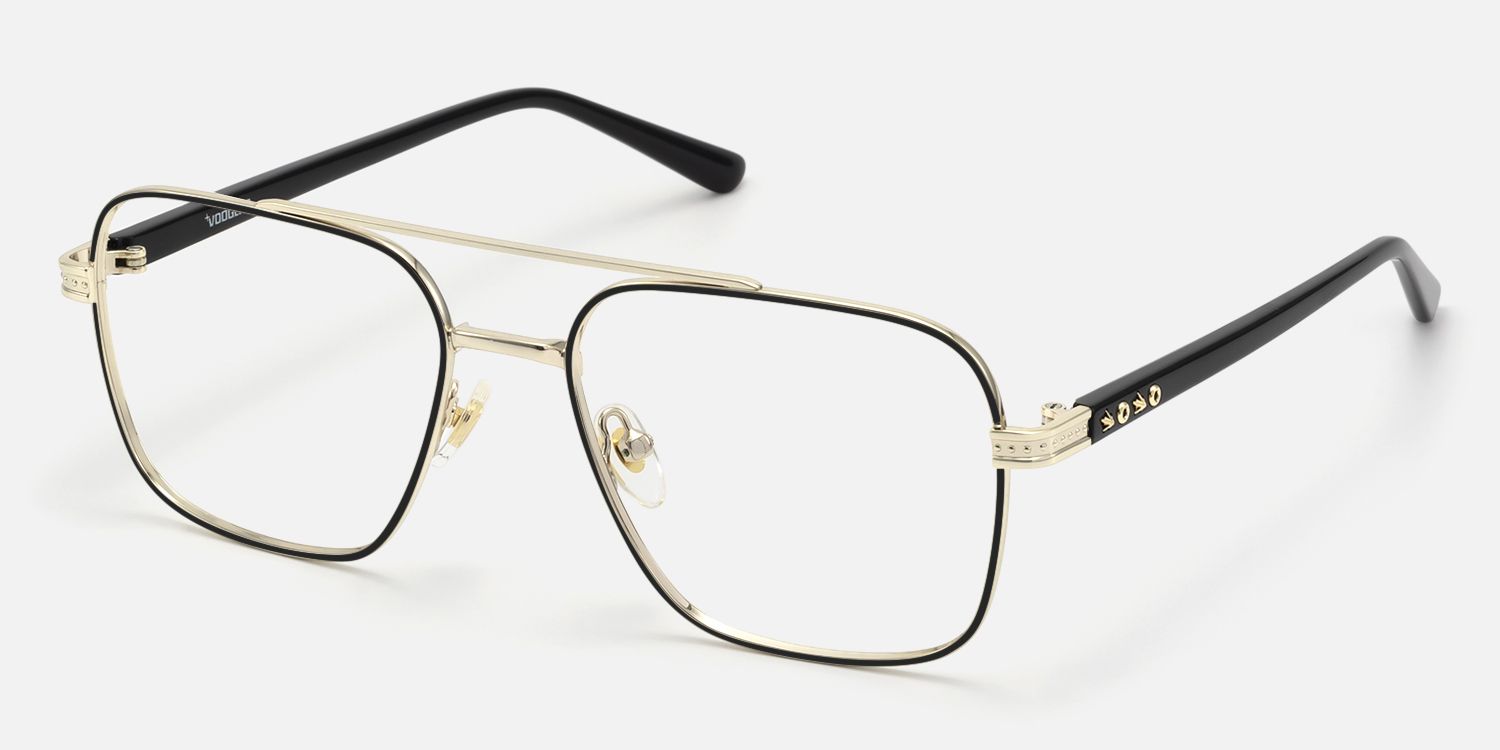
- Frames with Adjustable Nose Pads: This is a pro tip. Metal frames with nose pads allow you to adjust how high the glasses sit on your face. This lets you "tune" the progressive lens so the reading zone sits exactly where you need it.
Final Thoughts: Style Meets Geometry
You don't have to sacrifice style for function. You just need to respect the lens's geometry. As long as your frame follows the 28mm–30mm guideline and provides good coverage for your reading zone, you can wear the latest trends without compromising your vision.
Ready to find your perfect pair? We have curated a specific selection of frames that meet these optical standards. Shop Progressive-Friendly Frames at Vooglam