
You bought blue light glasses for the office. You put them on at 9:00 AM, power through your emails, sit through video calls, and then… You simply forget to take them off.
Hours later, you’re cooking dinner or meeting a friend, and you realize you’re still wearing them. This triggers a common worry: Is it bad to wear them when I’m not looking at a screen?
It’s a valid concern. We are used to prescription glasses or sunglasses having strict rules, so it’s natural to wonder if blue light blockers have a time limit.
Here is the reality of wearing your blue light glasses all day, outside, and beyond the 9-to-5.
The Short Answer: Can You Wear Them All the Time?
Optically speaking? Yes. You can generally wear non-prescription (Plano) blue light glasses all day without damaging your eyes or altering your vision.
Unlike prescription glasses, which physically change how your eyes focus, clear blue light glasses are simply filters. Their job is to manage the light hitting your retina—blocking the harsh artificial stuff while letting natural light through.
The "Good" vs. "Bad" Blue Light Nuance
To understand safety, you have to look at the spectrum. Not all blue light is the enemy.
- Beneficial Blue (Turquoise): You need this range from sunlight to regulate your circadian rhythm (your sleep/wake cycle).
- Artificial Blue (HEV): Digital screens emit a spike of High-Energy Visible (HEV) blue light, which is linked to digital eye strain.
High-quality clear lenses are engineered to be selective. They dampen the artificial HEV spike without blocking the turquoise light your brain needs to stay alert. If you are still debating whether they are right for your specific needs, read our analysis on whether blue light lenses are worth it.
When to Wear Them (Best Use Cases)
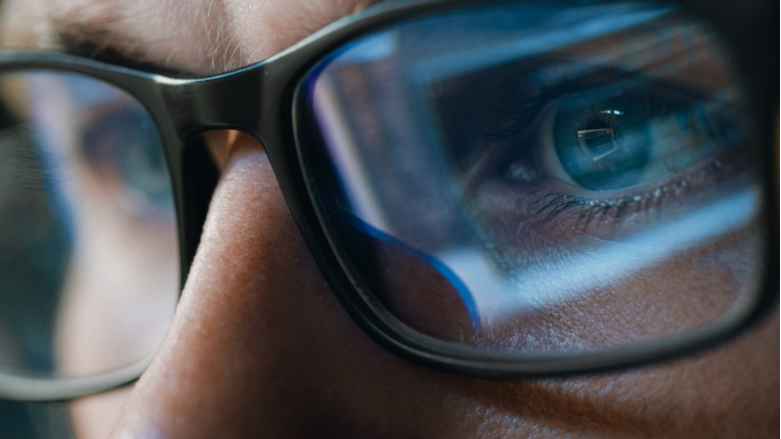
While they are safe 24/7, they serve specific purposes at different times of the day.
- Office Work: The obvious one. Keeping them on while working at a monitor reduces "visual noise" and maintains contrast.
- The "Evening Scroll": Using your phone or watching TV in the two hours before bed exposes you to blue light that can suppress melatonin. Wearing your glasses here is critical for sleep hygiene.
- Harsh Lighting: If you work under bright overhead tube lighting (like in retail or hospitals), the anti-glare properties help buffer the flicker.
What about social situations? A practical concern is aesthetics. If you wear them to dinner, make sure your lenses have a solid anti-reflective (AR) coating. Without it, standard blue light lenses can reflect a strong purple or blue glare, hiding your eyes during face-to-face conversations.
Can You Wear Blue Light Glasses Outside?

This is a frequent point of confusion. Users often ask: "If they filter light, do they work like sunglasses?"
No. They are not replacements for sunglasses.
- Brightness: Sunglasses are darkened to reduce the volume of light entering your eyes. Clear blue light glasses do not lower brightness. If you wear them in bright noon sunlight, you will still squint.
- UV Protection: However, they do offer invisible protection. Most quality optical lenses, including blue light blockers, provide UV400 protection. They shield your eyes from invisible UVA and UVB radiation, even if they don't block the glare.
They are safe outdoors, but they won't provide the comfort of polarized sunglasses on a sunny beach day. For a detailed comparison, check out our guide on UV protection glasses vs. blue light glasses.
Do They Help with Night Driving?
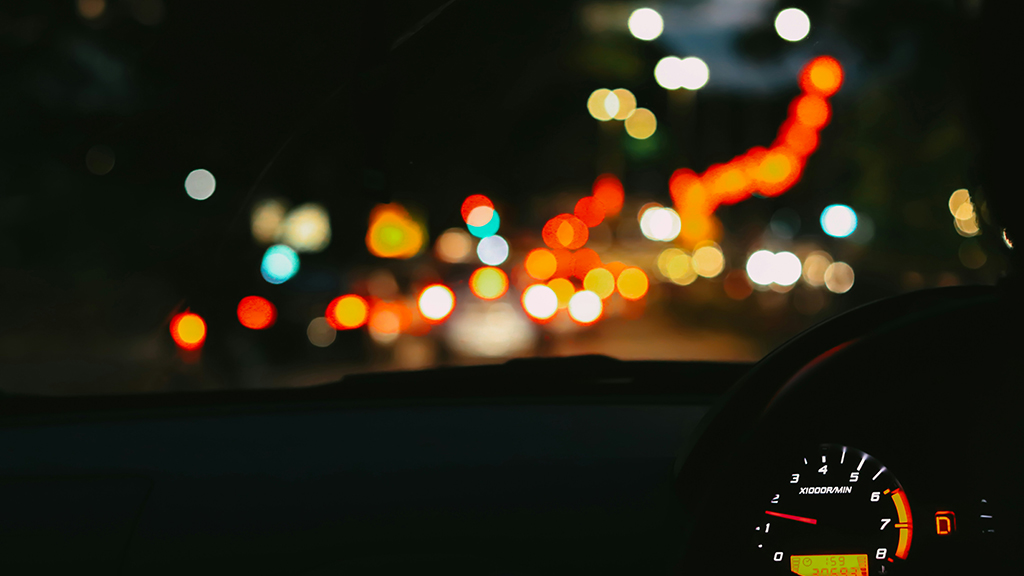
Night driving is getting harder as modern cars switch to bright, cool-toned LED headlights. This often causes a "starburst" glare effect that kills visibility.
How They May Help:
- Glare Reduction: The anti-reflective (AR) coating found on quality glasses helps cut the halos around streetlights and headlights.
- Contrast: Some drivers find that filtering out scattering blue wavelengths makes the road appear slightly sharper. You can learn more about this mechanism in our post on how anti-glare and blue light glasses protect the eyes.
⚠️ The Safety Warning: If you drive with them at night, they must be clear. Never wear yellow, orange, or dark-tinted "gaming" glasses for night driving. These tints reduce the total amount of light entering your eye, making it dangerous to spot pedestrians or hazards in low-light conditions.
Conclusion: Making Them Part of Your Routine
You don't need to treat clear blue light glasses like a medical device. They are a lifestyle tool.
Whether you are analyzing data, scrolling through social media in bed, or simply want UV protection while running errands, they act as a shield between you and the artificial light of the modern world.