
You just bought a new pair of blue light glasses. You put them on, look in the mirror, and… they look exactly like your regular glasses.
This is the most common moment of doubt for new buyers. Because modern blue light lenses are designed to be virtually clear, it is hard to tell if they are actually doing anything just by looking through them. Naturally, the skepticism kicks in: Did I just buy fake clear lenses?
The good news is that you don't need a spectrometer or an optical lab to find out. Here are three simple ways to verify your glasses at home, along with the truth about those cheap "testing pens" you see on social media.
Method 1: The Reflection Test (Most Reliable DIY Method)
This is the easiest way to check the quality of your lenses without any special tools. You are looking for the coating's reaction to light.
The Optical Science: Blue light lenses work by filtering out a specific range of light (High-Energy Visible light). They often do this by reflecting that bad light away from your eye, rather than letting it pass through.
How to do it:
- Stand in a room with a regular light source (a lamp or ceiling light).
- Hold your glasses off your face and tilt them slightly.
- Look at the color of the light reflecting off the front surface of the lens.
The Result:
- Blue or Purple Reflection: This is the gold standard. It indicates the lens has a functional coating designed to reflect high-energy blue light.
- White or Clear Reflection: If the reflection looks just like a window pane, the glass likely lacks a specific blue-light-filtering coating.
Method 2: The "Screen Test" (Visual Check)

Since these glasses are engineered specifically for digital screens, your monitor is the perfect testing ground.
How to do it:
- Open a blank, bright white page on your computer or phone (like a Google search homepage).
- Look at the screen with your naked eyes. It likely looks stark, bright, and "cool" toned.
- Put your blue light glasses on.
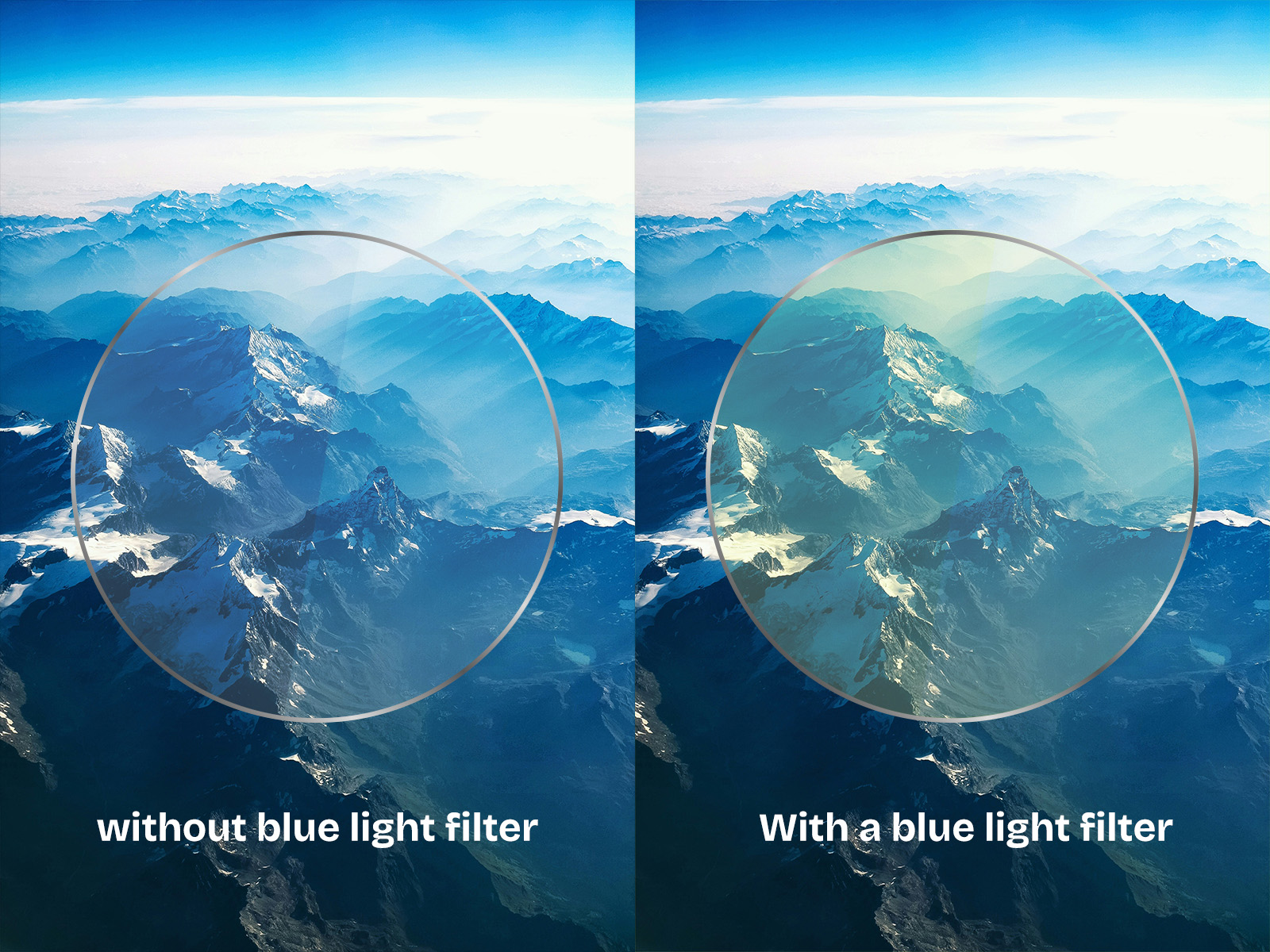
The Result: The moment you put the glasses on, that harsh white should turn slightly "warmer"—shifting just a tiny bit towards a soft cream or very pale yellow.
- Why this happens: Digital screens emit a spike of cool blue light. By filtering that spike out, the glasses allow the warmer colors (reds and yellows) to come through more prominently. If the screen looks the same, your glasses might not be blocking enough HEV light.
Method 3: The Truth About the "Blue Light Pen" Test
If you bought a cheap pair of glasses online, they might have come with a little blue laser pointer and a testing card. The instructions say: "Shine the light through the lens. If the card doesn't turn dark, the glasses work."
Is this accurate? (The Expert Reality Check) Take this test with a grain of salt.
Here is why: Most of those cheap "testing pens" emit Violet Light (closer to UV, around 380nm-400nm), not the Blue-Turquoise Light (415nm-455nm) that monitors actually emit.
- The Trap: A lens can be great at blocking laser light (UV) but terrible at blocking screen light.
- The Verdict: While it’s a fun magic trick, it proves your glasses have UV protection, not necessarily digital blue light protection. For a deeper dive on this distinction, read our guide on UV protection vs. blue light glasses.
The Ultimate Proof: Ask for the Spectrum Report
If you want 100% certainty, stop guessing and look at the data. Reputable eyewear manufacturers test their lenses in a lab and generate a Transmittance Spectrum Report.
This chart shows exactly which wavelengths of light are blocked. You want to see a dip in the line around the 400nm to 455nm range (the high-energy hazard zone). If a brand cannot tell you what wavelengths their glasses block, that is a red flag.
Do All Blue Light Glasses Have a Tint?
Many people expect blue light glasses to be yellow. If yours are clear, are they fake?
Not at all.
- Old Technology: Early computer glasses used deep yellow or orange tints. These were effective but made you look like you were wearing safety goggles.
- New Technology: Modern lenses use advanced coatings that filter HEV light while remaining virtually transparent. You might notice a very subtle micro-tint against a white piece of paper, but to the outside world, they look just like regular glasses.
How to Clean Blue Light Glasses (Without Ruining Them)
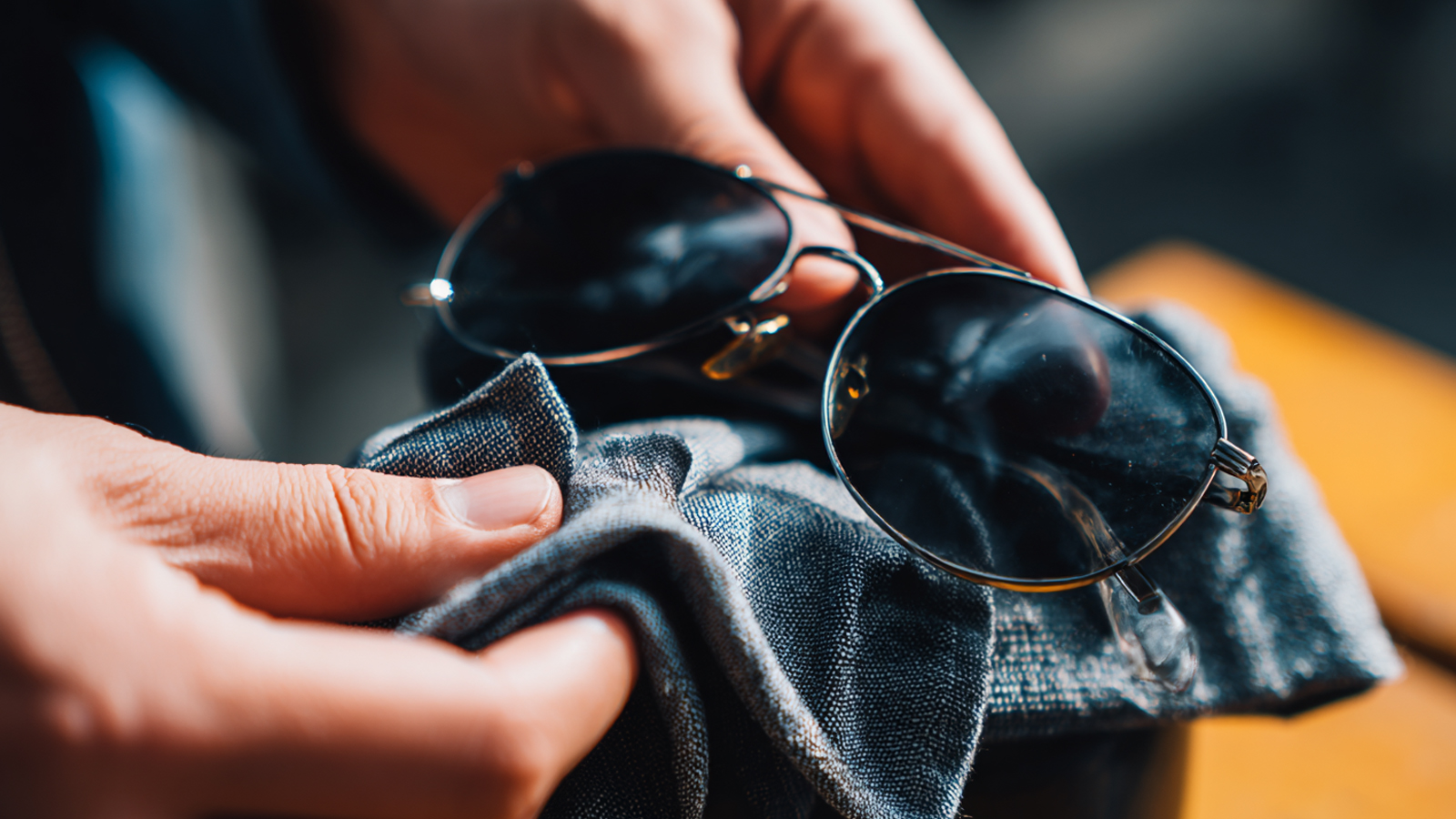
This is the most important part of owning a pair. The blue light filtering technology is often a coating applied to the lens. If you clean it incorrectly, you can strip that coating off, rendering the glasses useless.
The "Don't" List:
- NEVER use Windex or household glass cleaners. The ammonia is too harsh and will eat away the anti-reflective and blue light coatings.
- Avoid paper towels or tissues. They are made of wood pulp and will scratch the lenses over time.
The "Do" List:
- Rinse the glasses with warm water to remove dust.
- Use a tiny drop of regular dish soap (lotion-free).
- Dry with a clean microfiber cloth.
Conclusion: Trust Your Eyes
You don't need a degree in optics to know if your glasses are legitimate.
If your glasses have that subtle blue reflection and slightly warm up your computer screen, they are doing their job. They are filtering out the harsh energy spike so your eyes don't have to work as hard.
Now that you have verified your lenses, the most important "test" is simply wearing them. Give them a week of consistent use during your workday. If you notice you are rubbing your eyes less at 5 PM, that is the only proof that really matters.
Need a pair you can trust? Browse Vooglam’s collection of blue light glasses that combine verified protection with frames you’ll actually want to be seen in.